Oct 24, 2026Twila Rosenbaum
Zendaya Coleman est une actrice et chanteuse américaine révélée par Shake It Up avant de devenir une star de Hollywood. Elle a marqué le public avec Spider-Man, The Greatest Showman, Euphoria et Dune, tout en devenant une icône de mode. Sa relation avec Tom Holland et ses récompenses, dont deux Emmy Awards, alimentent une attention médiatique constante.
View more
Oct 24, 2026Twila Rosenbaum
Bad Bunny vient d’achever une tournée de 25 dates et prépare un nouvel album à Miami. Rencontre avec l’artiste le plus écouté sur Spotify en 2021, entre héritage portoricain, engagement politique et déconstruction des codes de genre. De Marvel à la WWE, il raconte aussi la pression du succès et son refus de renier ses origines.
View more
Oct 24, 2026Twila Rosenbaum
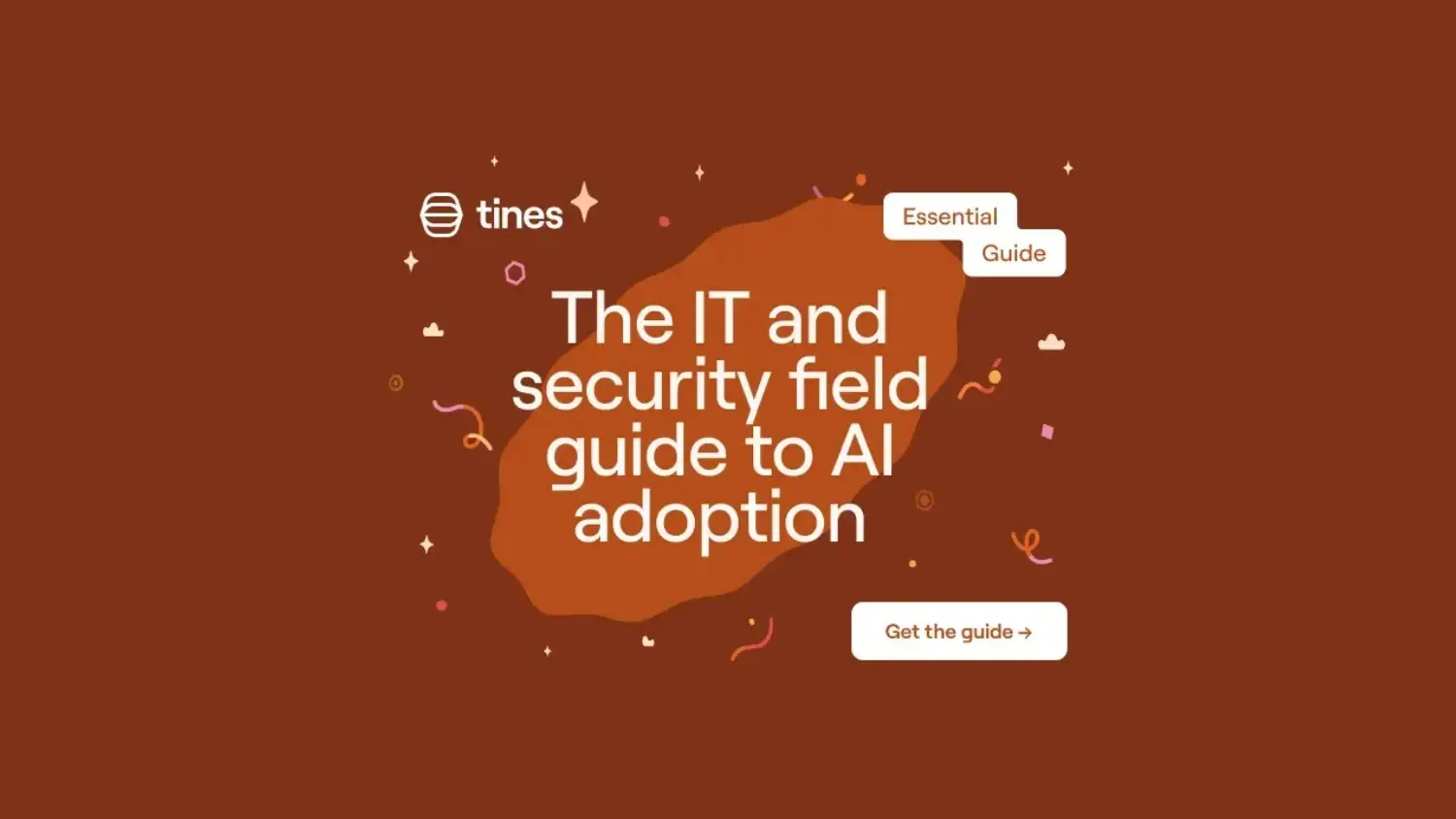
IT and security teams are under pressure to adopt AI, but many are finding that tools polished for demos do not hold up in real workflows. A new field guide argues that complexity, trust gaps, and oversight burdens are turning promised productivity gains into new risks. It outlines a practical evaluation framework, vendor pressure-test questions, and human-in-the-loop practices for safer, more scalable adoption.
View more
Oct 24, 2026Twila Rosenbaum
Attackers are using a fake AI crypto trading agent to deliver Needle Stealer, which swaps browser wallet extensions for malicious copies and captures passwords. The campaign targets users of seven wallet extensions and relies on a signed Microsoft utility, DLL side-loading and process hollowing. Researchers also documented QR code phishing, a commercially sold stealer with support, and invoice campaigns that hide payloads in images. Other fake installers bundle unwanted software and hijack browser search settings.
View more
Oct 24, 2026Twila Rosenbaum
A flat cybersecurity budget often triggers across-the-board cuts, but security leaders can preserve coverage by evaluating spending in four categories. The approach separates effective controls from unused tools, duplicate purchases, and compliance theater. Speaking in risk and dollars, and tying security to revenue, can change the conversation with finance.
View more
Oct 24, 2026Twila Rosenbaum
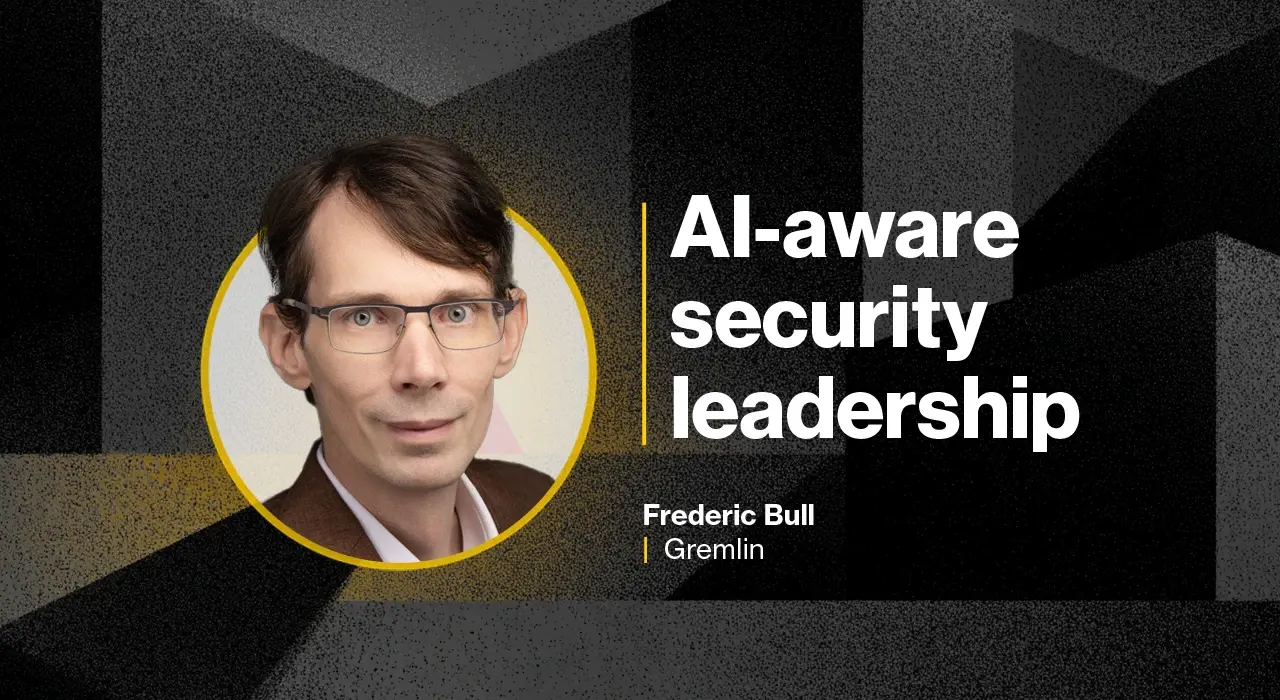
A security officer argues that asking what data trained an AI model misses a deeper question: how to maintain authority and integrity over data and agent actions. Least privilege, session-based RBAC, and human-in-the-loop controls remain essential. AI has narrowed the skill gap between attackers and defenders, increasing vulnerability volume while teams use AI to keep pace. Hiring now prioritizes experience to catch confident but wrong model output.
View more
Oct 24, 2026Twila Rosenbaum
AI coding tools are increasing the volume of code and security fixes that open-source maintainers must review, even when the tools themselves work quickly. Many critical projects remain thinly funded and dependent on volunteer labor, leaving security and maintenance work deferred. The result is a growing mismatch between the software everyone relies on and the human capacity available to vet it. Researchers and policy analysts are calling for better funding, clearer dependency visibility, and more support for the people who decide what enters official releases.
View more
Oct 23, 2026Twila Rosenbaum
ICANN is preparing for its first new generic top-level domain round since 2012, and the application window has drawn 1,615 proposals. The list includes corporate names like .adidas and .stripe, AI terms such as .agent and .llm, crypto strings like .bitcoin, and developer-focused names including .api. ICANN says 263 strings are contested, with .agent attracting the most applicants. Final string confirmation is set for November 17, 2026.
View more
Oct 23, 2026Twila Rosenbaum
Enterprise IT teams are grappling with six to eight observability tools on average, and the resulting sprawl is consuming engineering time, increasing staffing demands, and slowing incident response. A survey of 356 IT professionals shows that most organizations have unification efforts underway or planned, while AI is already being used for alert correlation, anomaly detection, and other tasks. The findings also suggest that AI cannot rescue fragmented data or weak operations without strong tool governance and human oversight.
View more
Your experience on this site will be improved by allowing cookies
Cookie Policy
These cookies are essential for the website to function properly.
These cookies help us understand how visitors interact with the website.
These cookies are used to deliver personalized advertisements.