
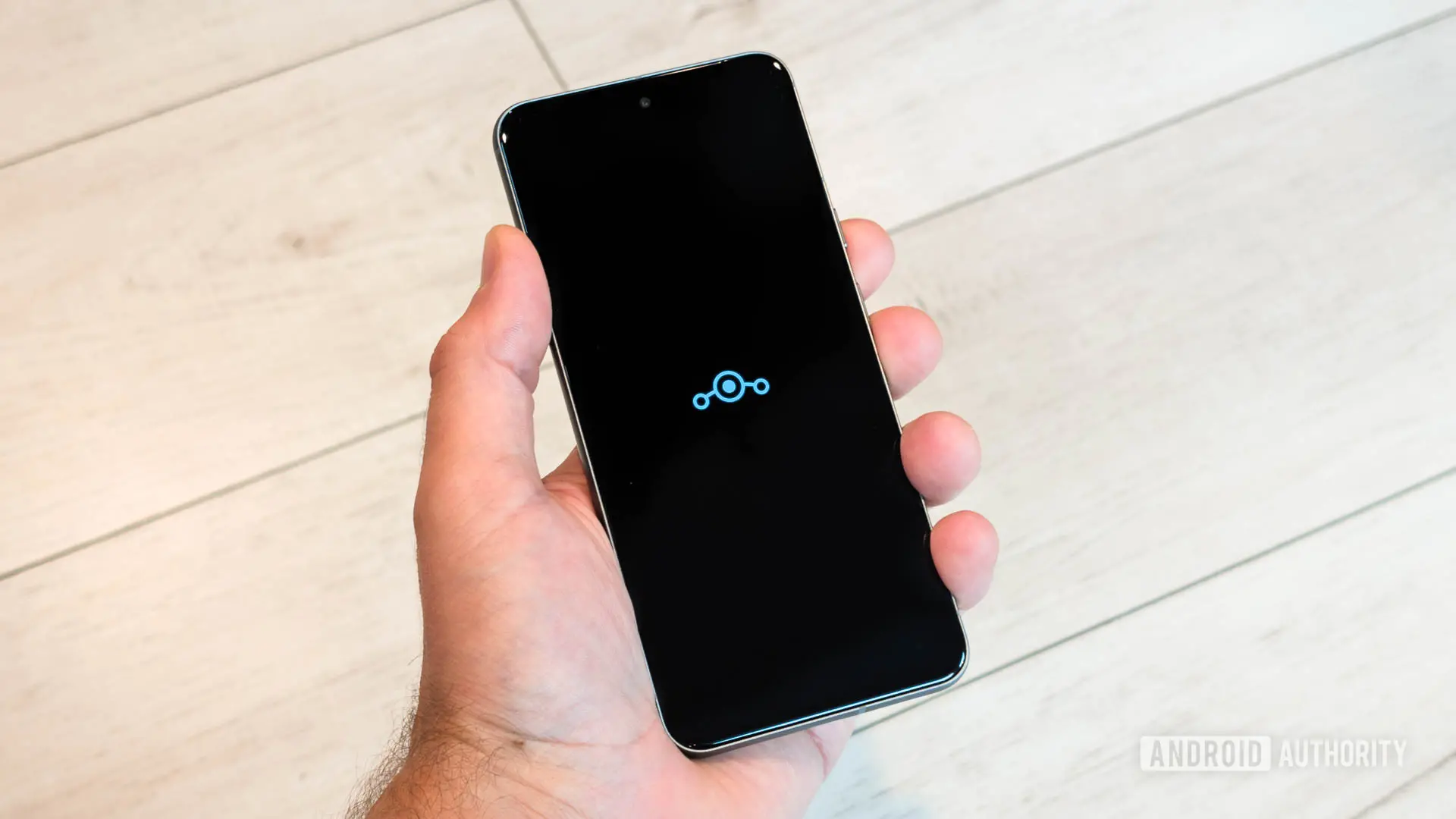
LineageOS, one of the most popular custom Android ROMs, has announced a sweeping summer update that introduces a long-awaited browser-based flashing tool, a redesigned Updater app, confirmation of Android 17-based development, and expanded device support. The update, detailed in the project’s official blog, aims to make installing and using the ROM easier while keeping it aligned with the latest Android security and feature advancements.
The headline feature is the new web-based flashing tool, which allows users to install LineageOS directly from their browser without needing to download separate software tools. The tool, accessible through the project’s download portal, supports Fastboot, ADB, and even Samsung’s Odin flashing protocol, covering a wide range of devices. However, the team notes that it does not completely replace the traditional manual installation process; users must still follow device-specific instructions in the LineageOS wiki to ensure a successful flash. This addition addresses a long-standing pain point for newcomers, as browser-based flashing simplifies the initial setup process. It leverages modern WebUSB and WebSerial APIs to communicate with devices, making the installation process more streamlined and less error-prone. For advanced users, the traditional method remains available, offering full control over partitions and recovery options.
The Updater app has received a complete visual overhaul using Google’s Material 3 Expressive design language. This new design includes more fluid animations, richer color themes, and a cleaner layout that adapts to user preferences. Beyond aesthetics, the app now shows the Android Security Bulletin (ASB) level included in each update before installation, giving users clarity on which security patches are applied. Additionally, LineageOS has optimized OTA updates: A/B OTA packages are now streamed by default, which reduces the amount of temporary storage required during the installation process and speeds up the overall update cycle. This is particularly beneficial for devices with limited internal storage, as it eliminates the need to download the full update package twice for seamless A/B switching.
On the security front, LineageOS has adapted to Google’s new Android 16 security patching model, which consolidates most security fixes into quarterly releases instead of monthly patches. The LineageOS team will continue to test and merge monthly security patches for current releases while also backporting fixes to several older branches when possible. This ensures that devices running older versions of LineageOS receive critical security updates, extending the lifespan of hardware that might otherwise be abandoned. The decision aligns with the broader industry shift toward less frequent but more comprehensive security updates, balancing user safety with developer workload.
Looking forward, the developers confirmed that work on LineageOS 24, based on Android 17, has officially begun following Google’s release of the Android 17 source code. While no release timeline was provided, the team stated that development is progressing well. Android 17 brings several new features, including improved multitasking, enhanced privacy controls, and better support for foldable and large-screen devices. LineageOS 24 is expected to incorporate these features while maintaining the ROM’s reputation for bloat-free, customizable software. The transition to a new Android version typically takes several months, as the team must adapt proprietary drivers, vendor blobs, and hardware abstraction layers for each supported device. Enthusiasts can expect a beta release later in the year, with stable builds following after thorough testing.
Several built-in apps have also been updated. The default Gallery app now supports Motion Photos, double-tap video seeking, and the ability to resume video playback from where you left off. Seedvault, the backup solution, has received improvements in reliability and compatibility with newer Android storage limitations. The Etar Calendar app and Twelve music player have also been updated with bug fixes and performance enhancements. These updates reflect the project’s commitment to providing a complete, functional ecosystem out of the box, reducing the need for third-party replacements.
Device support has expanded to include a range of new models from Samsung, Motorola, Sony, Xiaomi, and other brands. The full list is available in the official announcement, but highlights include the Samsung Galaxy S24 series, Motorola Edge 50, Xiaomi 14T, and Sony Xperia 1 VI. Expanding device support is critical for LineageOS, as it allows more users to experience a de-Googled or near-stock Android experience on modern hardware. The addition of these devices also ensures that older but still capable phones can receive updates beyond their manufacturer’s support window.
LineageOS’s origins trace back to the now-defunct CyanogenMod, which was one of the first major custom ROMs. After CyanogenMod shut down in 2016, the LineageOS project emerged as its successor, inheriting a large user base and developer community. Since then, it has become the most widely used custom ROM, with official builds for hundreds of devices. The project is entirely volunteer-driven, relying on donations and community contributions for development and infrastructure costs. This summer update demonstrates that the team remains active and innovative, despite the increasing complexity of modern Android versions and hardware requirements.
The browser flashing tool, in particular, represents a paradigm shift in how custom ROMs are installed. Traditionally, installing a custom ROM required unlocking the bootloader, installing a custom recovery like TWRP, and manually flashing files via ADB or a recovery interface. This process intimidated many users and was a barrier to entry. By allowing flashing directly from a browser, LineageOS lowers that barrier significantly. However, it also introduces new challenges: browser-based flashing requires a stable internet connection, and some devices may have USB permissions issues on certain operating systems. The team has mitigated these by providing clear instructions and error messages within the tool itself.
Another important aspect is the redesign of the Updater app. Material 3 Expressive is Google’s latest design language, which emphasizes personalization, adaptive color, and dynamic animations. By adopting it, LineageOS ensures that its interface feels modern and consistent with other Android apps. The addition of ASB level display is a small but significant quality-of-life improvement; users no longer need to visit security patch trackers to know what vulnerabilities are fixed in an update. This transparency builds trust and encourages users to apply updates promptly.
The adaptation to Android’s new security patching model is also noteworthy. Quarterly security updates reduce the frequency of OTA pushes, which can be disruptive for users with limited data plans or slow internet connections. However, it also means that critical vulnerabilities might remain unpatched for up to three months. LineageOS mitigates this by continuing to push urgent patches outside the quarterly cycle when necessary. Backporting fixes to older branches extends support for devices that cannot upgrade to the latest LineageOS version due to hardware limitations, ensuring they remain secure.
The addition of new supported devices is crucial for the project’s growth. Support for the Samsung Galaxy S24 series means that users of one of the most popular Android flagships can enjoy LineageOS’s benefits, such as extra customization, better privacy controls, and extended software updates. Motorola’s Edge series and Xiaomi’s 14T expand the user base in regions where these brands are particularly strong. Sony’s Xperia lineup, known for its camera capabilities and stock-like software, provides an attractive target for LineageOS development.
App updates to Gallery, Seedvault, Etar Calendar, and Twelve music player ensure that the user experience is cohesive and modern. Motion Photos support allows users to capture and view short animated clips, a feature that has become standard on many stock camera apps. Double-tap video seeking simplifies navigation during long recordings. Seedvault’s improvements are particularly important as Android’s storage access framework becomes more restrictive; reliable backups are a key selling point for any custom ROM.
In summary, this summer update is a comprehensive refresh that touches nearly every aspect of the LineageOS experience. From installation to daily use, the changes are designed to make the ROM more accessible, more secure, and more enjoyable. The browser flashing tool and redesigned Updater app address common user grievances, while progress on Android 17 development signals the project’s continued relevance. Expanded device support and app updates round out a robust release that should satisfy both newcomers and seasoned enthusiasts. As the Android ecosystem evolves, LineageOS remains a vital alternative for those seeking more control over their devices.
Source: Android Authority News