

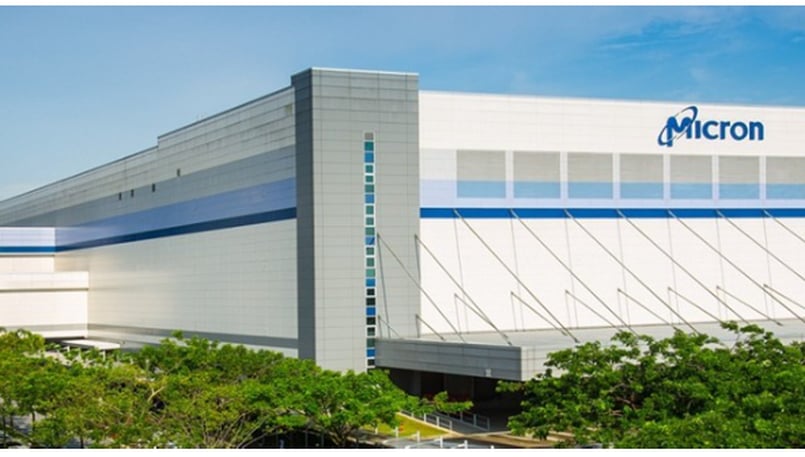
Micron Technology expects demand for memory and storage to outstrip supply throughout 2027 and 2028, extending a squeeze that is already raising component costs across personal computers, servers, mobile devices, and other electronics. The company says the imbalance will be more severe than what the industry experienced in 2026, and it has no clear date for when supply and demand will return to balance.
In prepared remarks for its fiscal fourth-quarter earnings call, CEO Sanjay Mehrotra said, “We expect memory and storage supply-demand conditions to be much tighter in calendar 2027 and 2028 than they were in 2026.” The warning matters far beyond the memory industry. Memory is a foundational component in nearly every computing device, and prolonged shortages can influence product prices, system configurations, data-center expansion plans, and enterprise refresh cycles.
Key Facts
- Micron expects memory and storage supply-demand conditions to be significantly tighter in calendar 2027 and 2028 than in 2026.
- More than 75% of Micron's planned fiscal 2027 output is already committed, and most new customer discussions have shifted to 2028 volumes.
- Artificial intelligence infrastructure, especially high-bandwidth memory, is absorbing manufacturing capacity that would otherwise serve conventional DRAM for PCs, servers, and mobile devices.
- Micron expects industry DRAM bit shipments to grow in the low-20% range in 2027 and 2028, while NAND bit shipments could rise in the mid-20% range, yet both markets are expected to remain supply constrained.
- New fabrication plants and equipment will add supply from 2027 onward, but much of the company's construction spending is aimed at capacity that will become useful after 2028.
- Consumers and enterprises are already seeing higher memory costs, lower memory configurations, and shifts from larger server memory modules to smaller ones.
- IT departments may need to pay more for high-memory configurations, accept lower specifications, or extend the life of existing systems.
AI Is Reshaping the Memory Equation
The shortage is not simply a story of AI companies buying more chips. Memory manufacturers are directing a growing share of their manufacturing capacity toward high-bandwidth memory, or HBM, which is used alongside AI processors. HBM is more complex to produce than conventional DRAM, and each new generation consumes more manufacturing resources. That dynamic reduces the capacity available for standard DRAM used in servers, PCs, and mobile devices.
Micron President and COO Manish Bhatia said HBM is growing faster than commodity DRAM and that the trade ratio rises as manufacturers move from HBM3E to HBM4 and HBM4E. The trade ratio refers to how much conventional DRAM capacity is displaced to produce a given amount of HBM. As the ratio increases, even significant increases in total memory output can be absorbed by AI infrastructure before they reach traditional device markets.
This creates a difficult supply equation. AI accelerators require massive amounts of HBM, and AI data centers are being built at a rapid pace. At the same time, the installed base of PCs, servers, and mobile devices continues to need conventional memory. Manufacturers cannot instantly switch capacity from one type of memory to another, and advanced memory production requires specialized equipment, materials, and process expertise.
Bit Shipment Growth May Not Be Enough
Micron expects industry DRAM bit shipments to grow in the low-20% range in 2027 and 2028. NAND bit shipments could rise in the mid-20% range over the same period. Those are substantial increases, but the company still expects both markets to remain supply constrained. The reason is that demand growth, particularly from AI infrastructure, is outpacing even robust increases in bit output.
Bit shipments measure the total amount of data storage capacity shipped, not the number of chips or modules. When HBM consumes more capacity per unit of memory, and when AI systems require enormous amounts of memory bandwidth and capacity, the effective supply available to other markets can remain tight. This is why the shortage may persist even as manufacturers expand production.
New Factories Will Not Bring Immediate Relief
Micron is investing heavily in additional production capacity, but new clean rooms do not instantly translate into more chips. “Even after they are built, even after first wafer output, production ramps up only gradually in the clean rooms,” Mehrotra said. Building a fabrication plant involves long lead times for construction, equipment installation, process qualification, and yield improvement. Each of those steps takes time, and cutting corners is not an option in advanced semiconductor manufacturing.
Micron expects new facilities and additional equipment to add supply from 2027 onward. However, much of its construction spending is aimed at capacity that will become useful after 2028. That timing helps explain why the company does not have a clear date for when supply and demand will return to balance. The gap between announcing new capacity and producing salable chips at scale can span several years, and the memory industry has a history of cyclical swings between oversupply and shortage.
What This Means for PCs and Devices
Consumers are already seeing the effects. Micron exited its Crucial consumer memory business as AI-driven data-center demand increased, a sign that the company is prioritizing higher-value markets. Higher memory costs have also contributed to more expensive PCs and lower memory configurations. In some cases, device makers may choose to ship systems with less memory rather than raise prices further, which can affect performance for users who run multiple applications, virtual machines, or memory-intensive workloads.
The pressure is also reaching enterprise hardware. Industry reports indicate that some cloud providers and original equipment manufacturers have shifted from larger server memory modules to smaller configurations as prices rise. That shift can help control costs, but it may also reduce the memory capacity available per server, affecting virtualization density, database performance, and application scaling.
Implications for IT Departments
For IT departments, persistent shortages could complicate refresh planning. Businesses may face a choice between paying more for higher-memory configurations, accepting lower specifications, or extending the life of existing systems. Extending refresh cycles may make sense for less critical machines, such as kiosks, front-desk computers, or task-specific workstations. But delaying upgrades for systems running memory-intensive workloads can create its own costs through lower performance, higher support needs, and aging hardware that becomes harder to secure and maintain.
Memory is also becoming a more strategic component in procurement. Instead of treating memory as a predictable commodity purchase, technology buyers may need to consider memory costs and availability earlier in hardware planning. That could mean engaging suppliers sooner, locking in pricing and volumes where possible, and designing systems with realistic memory configurations rather than assuming that cheaper, more plentiful memory will return in the next product cycle.
Organizations with large server fleets may need to reassess how much memory each workload truly requires. In some cases, software optimization, tiered storage, or cloud alternatives may reduce the pressure to buy high-memory on-premises systems. In other cases, the cost of lower memory configurations may be higher than the upfront savings, because under-provisioned systems can slow down business operations and require replacement sooner than planned.
The Bigger Constraint Is Capacity
Micron's outlook suggests the memory squeeze may be harder to resolve than a normal supply shortage because manufacturers are effectively competing against two forms of demand at once: rapidly expanding AI infrastructure and the existing market for conventional computing devices. The AI buildout is not just buying more memory; it is changing the mix of memory that manufacturers produce. HBM requires more advanced packaging, more wafer capacity per bit, and more complex testing. As HBM4 and HBM4E enter production, those demands will likely increase.
At the same time, the memory industry is structurally concentrated. A small number of manufacturers supply most of the world's DRAM and NAND. Building new capacity takes years and billions of dollars. Equipment lead times, specialized labor, and process development can all slow the pace of expansion. Even when new lines come online, manufacturers must decide how much capacity to allocate to HBM versus conventional DRAM and NAND, based on expected demand and profitability.
NAND flash, used in solid-state drives and storage systems, is also expected to remain constrained. While NAND and DRAM are different technologies, both are affected by the same broader demand trends: cloud expansion, AI training and inference, data growth, and device proliferation. If NAND supply tightens alongside DRAM, the cost pressure could extend beyond system memory to storage, affecting server, PC, and mobile bill-of-materials costs.
What to Watch
Several factors could change the trajectory of the shortage. New capacity from 2027 onward may ease some pressure, but the timing and scale of that relief remain uncertain. Demand from AI could accelerate or moderate depending on data-center investment, chip availability, and power constraints. Memory manufacturers could also adjust product mixes as market conditions change. However, based on current forecasts, buyers should not assume that cheaper, more plentiful memory will return in the next product cycle.
Prices and availability could still shift as manufacturers add capacity and demand evolves. But Micron's forecast suggests that planning refreshes around realistic memory costs and configuration availability may remain necessary through 2028. For businesses, that makes memory another component worth considering earlier in hardware planning rather than treating it as a predictable commodity purchase. The companies that plan for tighter supply, higher costs, and constrained configurations may be better positioned to manage budgets and maintain performance as the memory market remains under pressure.
Source: TechRepublic News