

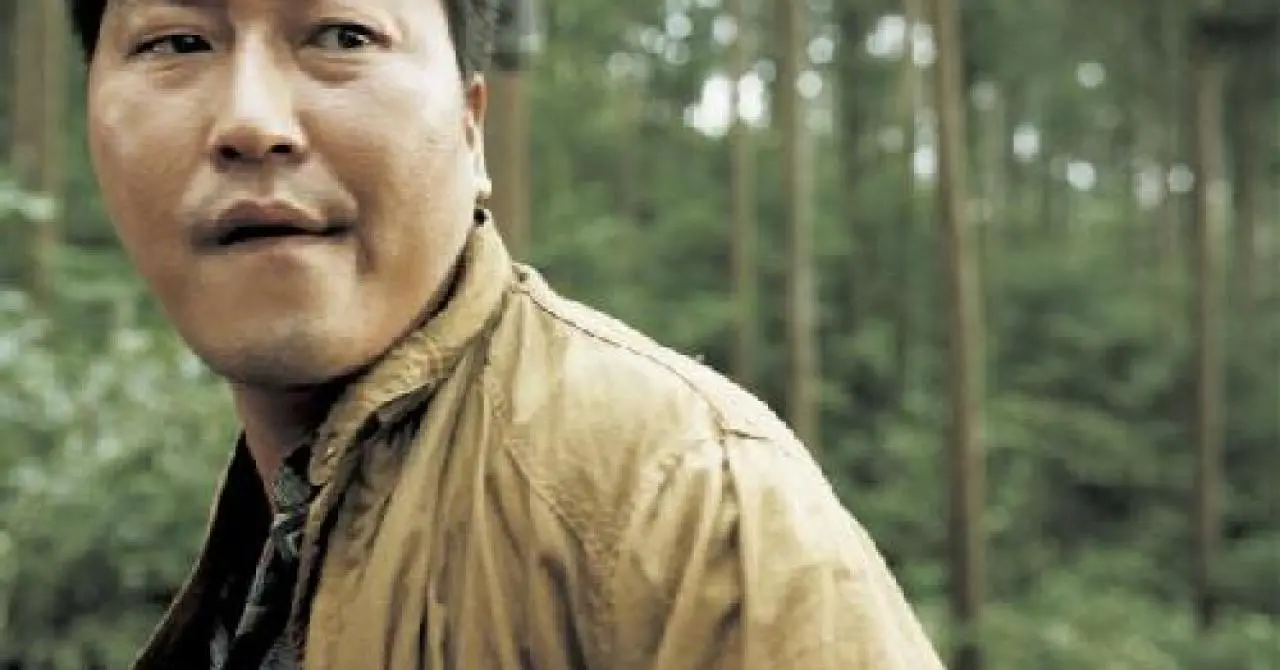
Key Facts at a Glance
- Subject: Song Kang-Ho, a South Korean actor whose early film roles helped shape modern Korean cinema.
- Joint Security Area (2000): Directed by Park Chan-wook; also known as Gongdong Gyeongbi Guyeok JSA; co-stars include Lee Byung-hun, Lee Yeong-ae and Shin Ha-kyun.
- Sympathy for Mr. Vengeance (2002): Directed by Park Chan-wook; also known as Boksuneun Naui Geot; Song appears in a central role.
- Memories of Murder (2003): Directed by Bong Joon-ho; also known as Salinui Chueok; Song stars with Kim Sang-kyung as detectives investigating serial killings.
Song Kang-Ho is one of the most recognizable faces in South Korean cinema, but his reputation was not built on a single breakout performance. It emerged through a sequence of films in which he worked with ambitious directors and took on characters that mixed humor, violence, tenderness and moral uncertainty. The credits associated with his early breakthrough period include Park Chan-wook’s Joint Security Area in 2000, Park’s Sympathy for Mr. Vengeance in 2002 and Bong Joon-ho’s Memories of Murder in 2003. Each film occupies a different genre and emotional register, yet together they show why Song became a central figure in the international rise of Korean film.
Before those roles, Song had built a foundation in theater and in supporting parts. Born in 1967 in Gimhae, South Korea, he studied at Busan Kyungsang College and later trained in theater. His film debut came in 1996 with Hong Sang-soo’s The Day a Pig Fell into the Well, and he followed it with appearances in films such as No. 3 and The Quiet Family. By the time he appeared in Joint Security Area, he was already a familiar presence, but the Park Chan-wook film gave him a role that placed him at the center of a national conversation about Korean identity, division and reconciliation.
Joint Security Area: A Breakthrough at the Border
Joint Security Area, released in 2000 and also known as Gongdong Gyeongbi Guyeok JSA, is set in the Demilitarized Zone between North and South Korea. The story begins with a shooting incident at a joint security post and then unfolds through an investigation that reveals an unlikely friendship among soldiers from both sides. Song Kang-Ho plays North Korean Sergeant Oh Kyung-pil, a character whose loyalty, suspicion and warmth are constantly in tension. The role requires him to move between military discipline and private vulnerability, and his performance helps the film turn a political flashpoint into a human story.
The film was directed by Park Chan-wook and starred Lee Byung-hun, Lee Yeong-ae, Song Kang-Ho and Shin Ha-kyun. Its ensemble structure gives each performer a distinct function: Lee Byung-hun carries the South Korean soldier’s perspective, Lee Yeong-ae anchors the investigation, Shin Ha-kyun brings a younger, more fragile energy to the North Korean side, and Song provides a grounded, morally complex presence. Joint Security Area became a major box-office success in South Korea and was widely discussed for the way it approached the division of the peninsula through suspense and friendship rather than simple propaganda. For Song, it was a decisive step from character actor to leading man.
Sympathy for Mr. Vengeance: The Darker Side of Success
Two years later, Song reunited with Park Chan-wook for Sympathy for Mr. Vengeance, released in 2002 and also known as Boksuneun Naui Geot. The film is the first installment in Park’s loosely connected Vengeance trilogy, which continued with Oldboy and Lady Vengeance. Its plot follows a deaf-mute factory worker named Ryu, played by Shin Ha-kyun, who becomes desperate to pay for his sister’s kidney transplant. His girlfriend, played by Bae Doona, becomes involved in a kidnapping scheme, and the situation spirals into violence. Song Kang-Ho plays Park Dong-jin, a factory owner whose daughter is taken, and his performance becomes one of the film’s most unsettling elements.
Where Joint Security Area allowed Song to embody a recognizable human decency under pressure, Sympathy for Mr. Vengeance pushes him into grief, rage and retaliation. The film is austere, bleak and deliberately uncomfortable, and it was not designed to repeat the broad commercial appeal of Joint Security Area. Even so, it became a cult landmark and helped establish Park Chan-wook as a director with a distinctive visual and moral sensibility. Song’s willingness to take such a severe role showed that his range was not limited to likable figures. It also deepened his collaboration with Park, whose films often explore revenge, class and the body under extreme stress.
Memories of Murder: The Role That Became a Landmark
In 2003, Song Kang-Ho took on one of the defining roles of his career in Bong Joon-ho’s Memories of Murder, also known as Salinui Chueok. The film is based on the real Hwaseong serial murder case, which took place in South Korea between 1986 and 1991. Song plays Detective Park Doo-man, a small-town investigator whose methods are intuitive, physical and sometimes brutal. Kim Sang-kyung plays Detective Seo Tae-yoon, a more analytical officer from Seoul who approaches the case with a different set of assumptions. Together, they investigate a series of killings that expose the limits of the police system and the cost of obsession.
The film is a police procedural, but it is also a portrait of a society under pressure and a study of how certainty can collapse. Bong Joon-ho’s direction combines dark humor, procedural detail and social critique, and Song’s performance is central to that balance. His Detective Park begins with comic swagger and confidence, then gradually loses control as the evidence fails to produce a clean resolution. The role is often cited as one of Song’s finest because it requires him to shift from broad comedy to exhaustion and moral crisis without losing the character’s humanity. Memories of Murder became a critical and commercial success in South Korea and later found a large international audience. It is frequently included among the best Korean films ever made and helped cement the creative partnership between Song and Bong.
How the Three Films Fit Together
Taken together, Joint Security Area, Sympathy for Mr. Vengeance and Memories of Murder show Song Kang-Ho moving between ensemble drama, revenge tragedy and procedural thriller. In each case, the role depends on his ability to suggest ordinary humanity inside extreme circumstances. His characters are not superheroes or pure villains; they are people whose judgments are shaped by institutions, fear, loyalty and the need to make sense of violence. That quality made him a natural collaborator for directors who wanted to examine Korean society through genre filmmaking.
The directors associated with these films are central to the story. Park Chan-wook’s work with Song spans the border drama of Joint Security Area and the stark revenge narrative of Sympathy for Mr. Vengeance. Bong Joon-ho’s collaboration with Song would continue in later films, including The Host, Snowpiercer and Parasite. Seen from the vantage point of later achievements, the early 2000s appear as a formative period in which Song tested his range and built the relationships that would define much of his career.
The films also reflect a broader moment in Korean cinema. During the late 1990s and early 2000s, Korean filmmakers gained greater international attention and domestic commercial strength. Genre films became vehicles for social criticism, and actors who could carry complex tonal shifts became especially valuable. Song Kang-Ho’s work in this period fits that pattern. He was not simply a star attached to a project; he was a performer whose presence helped directors balance entertainment with unease.
In Joint Security Area, the political becomes personal through friendship. In Sympathy for Mr. Vengeance, economic desperation becomes a chain of violence. In Memories of Murder, the search for a killer becomes an inquiry into institutional failure and human limitation. Across all three, Song Kang-Ho provides a steady point of identification even when his characters behave badly or lose their way. That is why the films remain useful for understanding his career: they show the actor before global fame, doing the work that made later acclaim possible.
The key facts are straightforward: Song Kang-Ho appeared in Park Chan-wook’s Joint Security Area in 2000 with Lee Byung-hun, Lee Yeong-ae and Shin Ha-kyun; he starred in Park’s Sympathy for Mr. Vengeance in 2002; and he played Detective Park Doo-man in Bong Joon-ho’s Memories of Murder in 2003 alongside Kim Sang-kyung. Those credits remain a compact record of an actor’s range and a director-driven era in Korean cinema. The through-line is not a single genre or character type but a willingness to inhabit moral uncertainty, which is why Song Kang-Ho’s early film work continues to be studied, screened and revisited.
Source: Premiere.fr News