

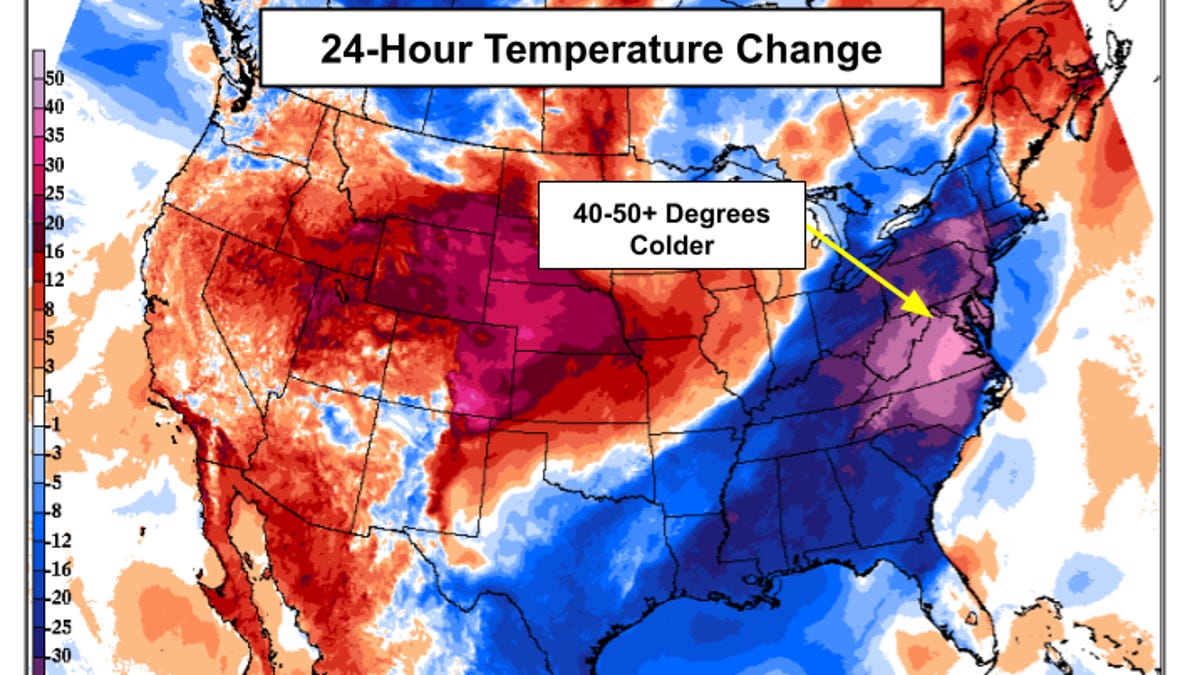
Wild weather swept across the United States on March 12, producing significant impacts from coast to coast. A mix of snow, extreme temperatures, and high winds resulted from a combination of weather patterns that affected various regions simultaneously.
Forecasts indicate that blizzard conditions are expected over the weekend of March 14-15 in the Northern Plains and Great Lakes, alongside additional storms and cold weather in the Eastern states, as reported by meteorologists from the National Weather Service Weather Prediction Center.
Earlier in the week, Indiana and Illinois were hit hard by storms that led to deadly tornadoes and hail measuring up to six inches. By March 12, a powerful weather system moved through the East, drastically altering conditions in the Washington, D.C. and Maryland areas. For instance, temperatures at Reagan National Airport plummeted from 77 degrees at 2 a.m. to heavy snow by the afternoon, with snow accumulating on grassy areas. This dramatic shift broke a record for the highest temperature on a day when snow was also reported, surpassing the previous record by over 10 degrees.
Bob Oravec, a meteorologist from the prediction center's office in College Park, Maryland, remarked, "We went from summer weather to winter weather in less than 24 hours. It was pretty dramatic." He further noted that such stark contrasts in weather are not uncommon during this time of year but expressed surprise at the extent of the changes.
Severe Storms in the Southeast
The Southeast faced its share of destruction as high winds and downed trees were reported across Georgia and the Carolinas on March 12, particularly affecting the North Carolina coast. In Bayboro, Pamlico County, multiple structures sustained damage, and injuries were reported as more than two-thirds of the county lost power, according to outage trackers.
Meteorologists from the local weather service in Morehead City planned to survey the area on the morning of March 13, as a tornado may have impacted the region. However, they cautioned that distinguishing damage caused by high winds versus tornadic activity could prove challenging.
Other notable damages reported include:
- Irmo, South Carolina – Multiple trees down and homes with structural damage.
- Greenville, North Carolina – Partial collapse of a home under construction.
- Ashton, Georgia – Two injuries reported from an overturned shed.
High Winds in the Western U.S.
High wind advisories were issued across parts of the western United States, affecting states such as Colorado, Montana, and the Dakotas. Montana reported a staggering wind gust of 99 mph in Pinnacle, Flathead County. Additionally, over seven counties in Colorado experienced wind gusts exceeding 75 mph, including a remarkable 92 mph gust recorded in Boulder County's Sunshine.
In response to the hazardous conditions, Colorado State University decided to close early on March 12 and remained closed on March 13 to assess the extent of damage caused by the strong winds in the Fort Collins area.
Looking Ahead: Weekend Forecast
Looking toward the weekend, a significant snowstorm and blizzard are anticipated across the northern Plains and Great Lakes regions. Meanwhile, a high-pressure system is expected to bring record-breaking temperatures to much of California and the Southwest, continuing into the following week.
As the U.S. grapples with the consequences of this wild weather, residents are urged to stay informed and prepared for the rapidly changing conditions.
Source: USA TODAY News