

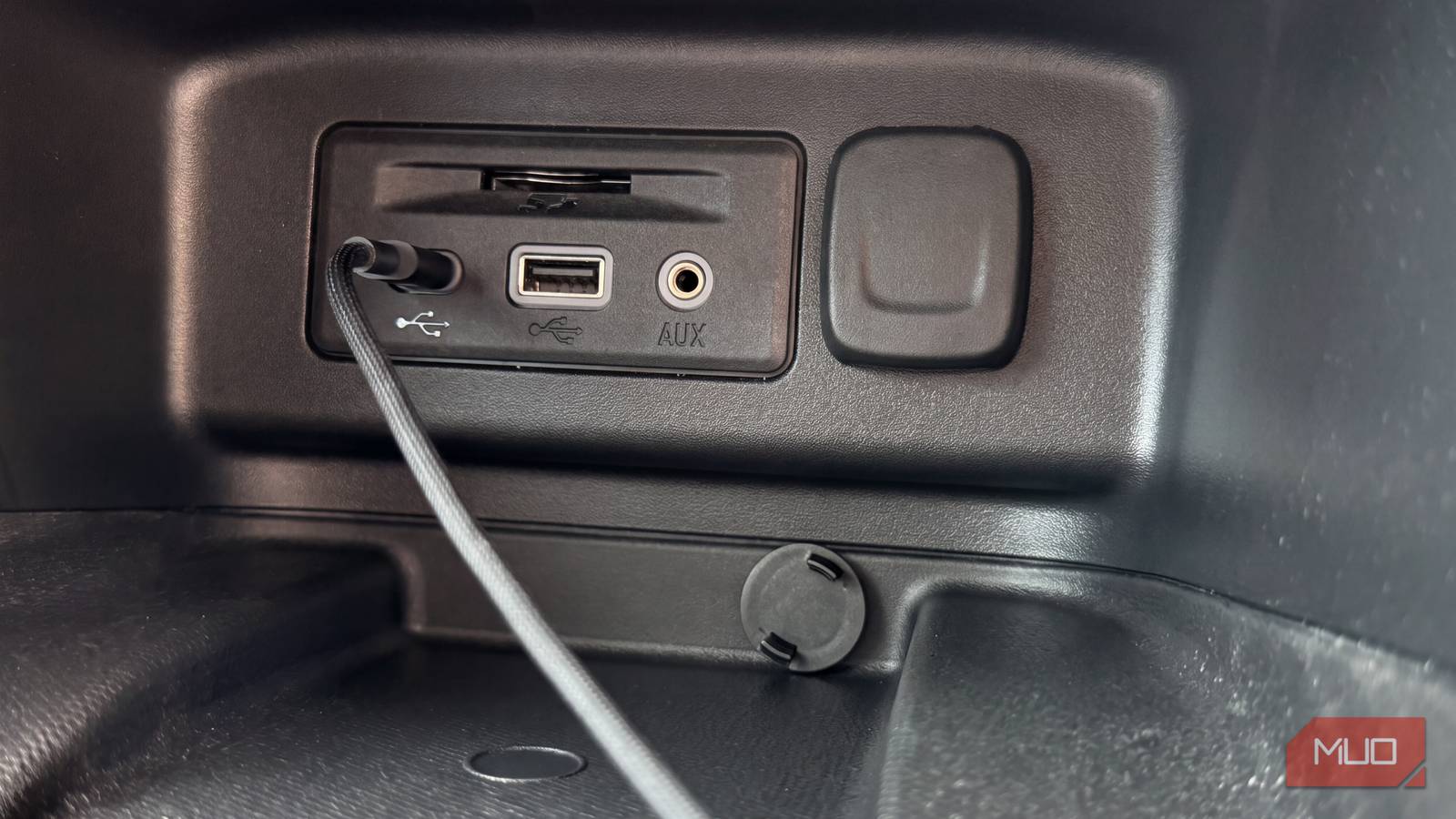
USB ports have become standard equipment in modern vehicles, yet many drivers treat them as little more than phone chargers. The port is often used to top up a handset or connect a phone to the infotainment system, and then it goes unnoticed. That narrow view leaves a surprising amount of utility on the table. With the right low-power accessory, a car’s USB outlet can support safety equipment, improve cabin air, simplify cleaning, provide entertainment, and even change the interior atmosphere. The best part is that most of these upgrades cost far less than a single tank of fuel.
Key facts at a glance
- Car USB ports can power more than phones; they can run low-power accessories that improve safety, comfort, cleanliness, and entertainment.
- Dash cameras are a practical first add-on, offering a record of incidents and helping with insurance claims; older smartphones can sometimes be repurposed as dash cams.
- USB-powered air purifiers and humidifiers can address stale cabin air and dry conditions during long drives.
- Aftermarket tire-pressure monitoring systems can add readings to older vehicles that lack them.
- Compact handheld vacuums can handle crumbs, dust, pet hair, and sand without requiring a full-size vacuum.
- A formatted USB flash drive remains a simple way to play offline music without draining a phone battery.
- USB-powered LED strips can add ambient or footwell lighting, often with color and brightness controls.
- Drivers should check port output, cable quality, heat, and whether the port stays powered when the ignition is off.
The appeal of these accessories is partly practical and partly economic. A dedicated dash camera, for example, can cost about as much as a modest dinner for two, while a handheld car vacuum often sells for the price of a few coffees. None of these devices promises to transform a vehicle into a luxury model, but they can close small gaps that make daily driving safer and less frustrating. The key is understanding what a USB port can realistically deliver and choosing accessories that match its limits.
Power gadgets such as dash cams, air purifiers, and tire monitors
Start with the obvious safety and comfort upgrades
Charging a phone is the obvious use, but the same outlet can feed other compact devices. A dash camera is perhaps the most persuasive example. Mounted on the windshield or rear glass and connected to a USB power source, it can record the road ahead or behind. That footage can be valuable after a collision, a near miss, or a disputed parking incident. Insurance processes vary, but having a clear record can make conversations with insurers, repair shops, and other drivers more straightforward. Setup is usually simple: mount the camera, route the cable, and plug it in. Drivers who do not want to buy a dedicated unit can sometimes repurpose an old smartphone as a dash cam, provided it has a suitable mounting solution and recording software.
Cabin air is another area where a small USB accessory can make a difference. In heavy traffic, a closed vehicle can quickly accumulate stale air, dust, and odors. A compact USB-powered air purifier can sit in a cupholder or on a dashboard and circulate filtered air. Some models also include a scent diffuser, which adds a pleasant smell without requiring a separate unit. These devices are not substitutes for a properly maintained vehicle ventilation system or cabin filter, but they can provide supplemental filtration during commutes and long trips.
A USB humidifier addresses a different discomfort. Air conditioning tends to remove moisture from the cabin, and on long drives that can leave throats dry and eyes irritated. A small humidifier can add moisture back into the air, making the environment more comfortable for passengers. Like the purifier, it is a modest device rather than a climate-control system, but it can be useful on extended journeys, especially in dry climates or during winter when cabin air is already harsh.
Tire pressure is a safety issue that many drivers overlook until a warning light appears. Newer vehicles often display individual tire pressures on the dashboard, but older cars may not. An aftermarket tire-pressure monitoring system can fill that gap. These kits typically include valve-cap sensors and a small display that plugs into a USB port or sits on the dashboard. They can alert a driver to a slow leak or an underinflated tire before it becomes a roadside problem. The hardware is generally inexpensive, and the payoff is better awareness of one of the few maintenance checks that directly affects handling, fuel efficiency, and safety.
Connect a portable vacuum cleaner
Tackle car messes without hauling out a full-size machine
Car interiors collect debris with remarkable speed. Crumbs from snacks, dust from commuting, pet hair from weekend errands, and sand from a day at the beach all find their way into seats, footwells, and crevices. A full-size vacuum can handle the job, but dragging one out to the driveway is often enough friction to delay cleaning. A compact handheld vacuum that runs from a USB connection offers a lower-effort alternative. These units are small enough to store in a glovebox, door pocket, or under a seat, and they can be used for quick cleanups between deeper detailing sessions.
Expectations should be realistic. A USB-powered handheld vacuum will not match the suction of a corded household machine, and it is not the right tool for a deeply soiled carpet. It is, however, well suited to loose crumbs, surface dust, pet hair, and sand. Many models include narrow nozzles or brush attachments for reaching tight spots such as seat rails, cupholders, and the bottom of door pockets. For households with children or drivers who frequently eat on the go, the convenience can justify the modest cost. The device also reinforces a useful habit: a quick cleanup after each trip prevents small messes from becoming a weekend project.
Power draw matters here. Some handheld vacuums require a higher-current USB port or a 12-volt socket adapter, while others are designed for lower-power charging and may run for only a short time per charge. Buyers should check whether the unit is meant to run directly from a USB cable or whether it charges internally and then operates cordlessly. A cordless vacuum with a USB charging case is often more practical than one that depends on a live cable during use.
Enjoy offline music with a flash drive
The old-school method still has practical advantages
Long before wireless connectivity became common, USB flash drives were the standard way to carry digital music into a car. A driver would load a drive with favorite albums or playlists and plug it into the vehicle’s audio system. The method is old, but it remains useful. Many cars still support USB audio playback, and a drive can hold a large library without requiring a data connection. That makes it a reliable option for road trips through areas with weak cellular coverage.
The battery benefit is easy to overlook. Streaming music over a wireless connection and projecting a phone interface can place a noticeable load on a handset. A flash drive, by contrast, draws nothing from the phone and does not depend on a wireless link. For drivers who want navigation and messaging on their phone, the drive can handle entertainment while the phone stays available for other tasks. Formatting the drive correctly is important; many car systems expect a specific file system such as FAT32, and music files may need to be organized into folders. Once set up, however, the system is simple and dependable.
There is also a durability argument. A USB drive left in the car is less likely to be forgotten than a phone cable, and it does not need to be recharged. For older vehicles without modern infotainment, it may be the only practical way to play a personal music library without using an auxiliary cable. Even in newer cars, the drive can serve as a backup entertainment source when phone integration is unavailable or inconvenient.
Upgrade your car’s interior with ambient lighting
A small cosmetic change can alter the cabin’s nighttime feel
Not every USB accessory needs to solve a problem. Ambient lighting strips are a popular cosmetic upgrade, and many are designed to plug directly into a car’s USB port. The strips can be routed along footwells, under the dashboard, or along door panels. At night, the glow can make a plain interior feel more polished and less utilitarian. For drivers who spend a lot of time in the car, that small change can improve the sense of comfort.
Most USB-powered LED kits include controls for color, brightness, and sometimes music synchronization. A remote control or smartphone app may be used to adjust the settings, and some kits offer preset scenes or fading effects. Installation is usually straightforward, though routing the strips neatly takes patience. Adhesive backing may need extra clips or cable ties to stay secure, and wiring should be kept away from pedals, airbags, and moving parts. The result is purely aesthetic, but the cost is low and the effect is immediate.
Power requirements are modest, which makes ambient lighting a good match for a USB outlet. Still, cheap strips can vary in quality. Drivers should look for kits with adequate cable length, secure connectors, and controls that are easy to use while driving. Brightness should be kept low enough not to distract the driver or create glare on the windshield. When installed thoughtfully, ambient lighting demonstrates how a simple USB port can support both practical upgrades and personalization.
The common thread across these accessories is that none requires a major electrical installation. A dash camera, air purifier, humidifier, tire-pressure display, handheld vacuum, flash drive, or LED strip can all draw from a port that is already part of the vehicle. The limitation is power, not imagination. A standard USB-A port may supply only a modest current, while USB-C ports with Power Delivery can deliver more. Accessories that include their own battery and charge over USB are often more flexible than those that demand a continuous live connection. Cables should be rated for the current, and plugs should fit securely to avoid intermittent connections or heat buildup.
Drivers should also consider when the port stays live. Some vehicles cut power to USB outlets when the ignition is off, which protects the battery. Others keep them energized, creating a risk of draining the battery if a device remains plugged in for days. A dash camera with parking-mode recording, for example, may need a dedicated hardwire kit and a voltage cutoff rather than a simple USB connection. For smaller accessories, unplugging when the car is parked is a sensible habit. These details do not diminish the usefulness of the USB port; they simply define the conditions under which it works best.
Source: MakeUseOf News