

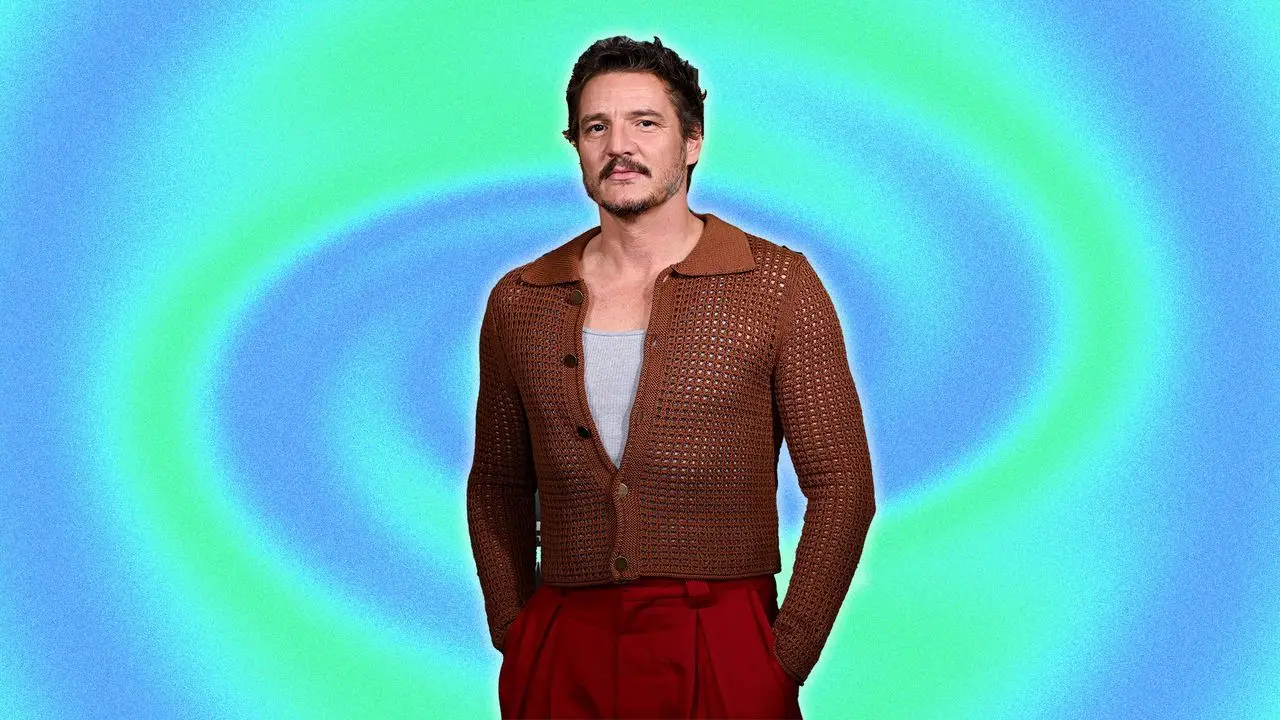
Pedro Pascal has become one of the most sought-after actors in Hollywood, thanks to his breakout role as Joel in HBO's adaptation of the video game The Last of Us, as well as his iconic work in The Mandalorian and earlier in Narcos. At 48 years old, Pascal's physical transformation for The Last of Us was not about achieving a chiseled physique for shirtless scenes—there are none—but about embodying a hardened survivor in a post-apocalyptic world overrun by fungal zombies. To achieve this, he turned to renowned celebrity trainer David Higgins, who had previously worked with him on Kingsman: The Golden Circle.
This article delves into the training philosophy, the specific workout routine, and why it is perfectly achievable for anyone, even those approaching 50. We'll explore how Higgins focused on mobility, core strength, and functional movements, all without the need for a gym. The result is a routine that not only prepares actors for demanding roles but also promotes long-term health and injury prevention.
The Training Philosophy: Build from Repair to Strength
David Higgins, a former professional dancer and physical therapist, brings a unique approach to celebrity training. Rather than pushing clients to their absolute limits from day one, he emphasizes a 'repair first, then build' methodology. This was particularly important for Pascal, who, like many actors over 40, deals with the wear and tear of a physically demanding career. “We focused on the lower back and general form, incorporating mobility exercises,” Higgins explained. The goal was to create a body that could perform the grueling stunts and prolonged takes required by the show's filming in remote Canadian locations.
For The Last of Us, the character Joel is a man in his late 40s who has survived a brutal 20-year apocalypse. He is not a bodybuilder but a survivor—someone who can run, climb, fight, and carry heavy loads without breaking. That required a training regimen that prioritized endurance, stability, and explosive power over pure aesthetics. “It was about finding the physique within the character,” Higgins noted. “We needed to focus on mobility and movement rather than looking good for a photo shoot.”
This philosophy aligns perfectly with the realities of aging. As we enter our 40s and 50s, our bodies become more prone to stiffness, joint pain, and muscle imbalances. A routine centered on mobility and bodyweight exercises helps counteract these issues, keeping the body supple and resilient. Higgins’s program for Pascal was designed to be done anywhere, with minimal equipment, making it ideal for on-location shoots.
The Adaptive Workout Routine
The actual workout Pascal performed, as detailed by Higgins, is a series of five exercises done in a circuit format: 5 rounds of 1 minute per exercise, with 30 seconds rest between exercises and rounds. The entire circuit takes about 30 minutes and can be done 1-2 times per week alongside regular training and stretching. Here is a breakdown of each movement and why it was chosen.
Mountain Climbers
This classic cardio move starts in a plank position. The goal is to drive each knee toward the chest alternately, while keeping the core tight and the spine stable. Mountain climbers elevate heart rate rapidly, improve coordination, and work the entire core. For Pascal, they simulated the quick lateral movements needed for evading Clickers or scrambling over obstacles. Higgins emphasized that the back, hips, and shoulders must remain still—only the legs move.
Single Split Squats (Bulgarian Split Squats)
Performed by standing with the back foot elevated on a bench or chair, this single-leg squat targets the quads, glutes, and hamstrings while also challenging balance. Pascal did one minute per leg. The movement mimics the demands of carrying heavy gear while walking on uneven terrain, a common scenario in The Last of Us. It also builds unilateral strength, which helps correct muscle imbalances that often develop with age. As Pascal improved, he could add light dumbbells or a kettlebell.
Swimmers (Superman Swimmers)
Lying face down with arms and legs extended, the athlete simultaneously lifts one arm and the opposite leg, alternating sides. This exercise strengthens the entire posterior chain—lower back, glutes, and hamstrings—while also promoting spinal mobility. For an actor who spends hours in a stunt harness or performing 3-point turns, this exercise maintained a healthy back and improved posture. Higgins noted that if back pain occurs, the athlete should stop and stretch before continuing.
Push-Ups
A fundamental bodyweight exercise, the push-up was a staple in Pascal's routine. Starting from a plank, the athlete bends the elbows while keeping the body straight, lowering the chest and nose to the floor, then pressing back up. Higgins encouraged using knees on the floor if necessary—no shame in starting simple. The push-up provides comprehensive upper body strength, essential for climbing, grappling, and pushing open heavy doors in the show. It also reinforces core stability and shoulder health.
Low Plank (Forearm Plank)
After completing the other exercises, the final minute of each circuit was a low plank. With forearms on the floor and body in a straight line, the athlete holds the position for 60 seconds. This is a brutal core finisher that builds deep abdominal endurance. In The Last of Us, Pascal’s character often had to remain still in precarious positions, waiting for enemies to pass. A strong plank translates directly to such real-world scenarios, as well as to everyday back pain prevention.
Higgins’s routine is deceptively tough. “Sometimes I heard him complaining, saying, ‘Oh no! I have to do more?’” Higgins recalled. Despite his celebrity status, Pascal struggled like any normal person. But over time, the exercises became natural. “He's athletic and has so much potential that he doesn't always realize his capabilities,” Higgins added.
Why This Routine Works for All Ages
What makes this routine particularly appealing is its accessibility. No gym, no heavy weights, no complex equipment. It can be performed in a hotel room, a park, or even on a set. The focus on bodyweight forces the nervous system to engage stabilizer muscles, which often get neglected in machine-based training. For adults over 40, such functional training reduces the risk of injury during everyday activities.
Moreover, the entire circuit takes less than 40 minutes, including rest. A 2023 study in the British Journal of Sports Medicine found that as little as 20 minutes of bodyweight resistance training twice a week can significantly improve muscle strength and functional capacity in older adults. Pascal’s routine exceeds that threshold, making it ideal for anyone looking to improve their fitness without sacrificing time.
Pedro Pascal's recent rise to fame also provides context: from his early role as Oberyn Martell in Game of Thrones (a performance that required both charisma and physicality) to his voice work in The Mandalorian, he has consistently adapted his body to each character. But for The Last of Us, the focus was less on aesthetics and more on durability. Higgins’s plan helped him achieve that without overtraining, a common pitfall for actors preparing for action roles.
In an era where many celebrity fitness routines are extreme and unsustainable, Pascal's approach stands out. It acknowledges the reality of aging—the need for more recovery, smarter movement patterns, and acceptance of limitations—while still pushing for progress. As Higgins put it, “It's about being mobile, strong, and efficient.” That is a goal anyone can pursue, regardless of age.
By incorporating these five exercises into a weekly routine, you too can build the functional strength and endurance of a Hollywood survivor. The best part? You don't need a spore-covered Clicker to chase you up a hill. Just a bench, a floor, and a few spare minutes.
Source: GQ France News