

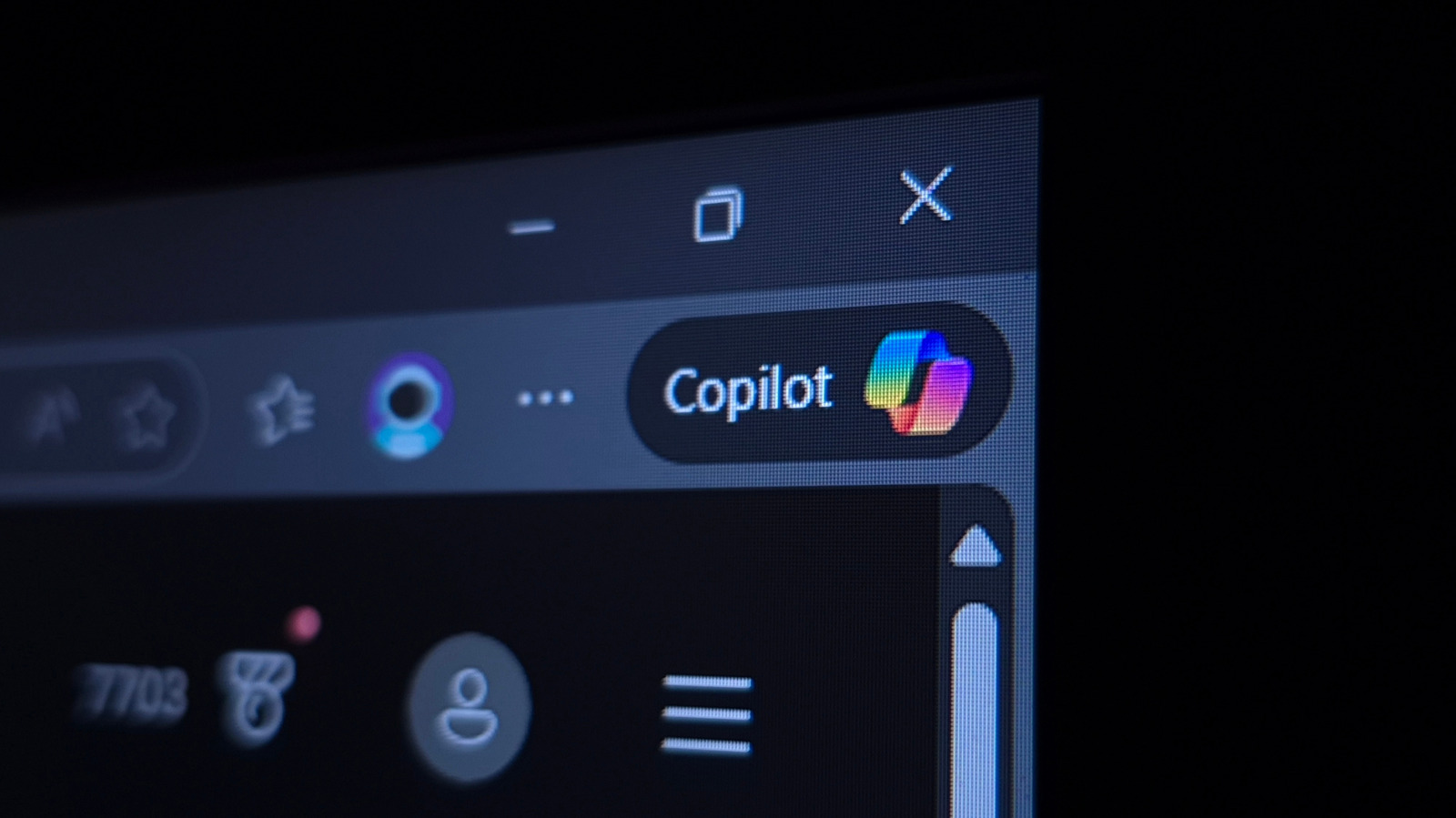
Microsoft has been a leading force in the AI sector, pushing its Copilot features across the Windows operating system. However, this aggressive strategy has led to user frustration, as many feel that the integration of AI tools has negatively impacted the overall Windows experience. With issues such as problematic updates and increased system demands, it's no wonder some users have started to refer to the company derogatorily as 'Microslop.'
Initially, Microsoft resisted this backlash. CEO Satya Nadella urged users to reconsider their negative views on AI, while the company's AI leadership expressed disbelief at the criticism being directed toward Copilot. However, as complaints grew and user dissatisfaction became evident, Microsoft shifted its strategy. Recently, the company has acknowledged the need for change, particularly as competitors like Linux gain traction.
In response to user feedback, Microsoft has begun to remove the Copilot branding from various applications. Notably, the Copilot button was taken out of Notepad in a recent preview build. This change reflects a recognition that Notepad, a straightforward application, does not require the addition of AI features, which have caused user discontent and even security vulnerabilities. Though the specific Copilot button was removed, a more generic AI writing tools button remains, indicating that Microsoft still aims to engage users with AI capabilities while distancing itself from the increasingly criticized Copilot brand.
Windows 11 Improvement Initiatives
The removal of Copilot branding is just one aspect of a wider initiative to improve Windows 11. Microsoft is reportedly working on various enhancements to address user complaints, which include restoring legacy taskbar functionalities and making Windows Update less intrusive. Additionally, improvements to File Explorer are on the horizon, as many users have found it sluggish and plagued by visual glitches.
This strategic pivot comes against the backdrop of significant changes within Microsoft's leadership, raising questions about the company's priorities. As the AI industry faces challenges in achieving profitability despite high levels of investment, it appears that Microsoft is recalibrating its focus. The ongoing issues with Windows and the competitive landscape necessitate a response that prioritizes user experience over ambitious AI deployments.
Competitive Pressures from Apple
Microsoft's recent shift in strategy also coincides with the release of Apple's MacBook Neo, which has disrupted the high-end laptop market. Historically, MacOS has been the principal competitor to Windows, and the introduction of a budget-friendly MacBook poses a significant challenge to Microsoft and its partners. Apple's ability to deliver a premium user experience at competitive prices may lure budget-conscious consumers away from Windows PCs.
Interestingly, while Microsoft has heavily invested in AI, Apple has taken a more cautious approach. The company's planned Apple Intelligence suite has been limited to basic tools, and its partnership with Google to enhance Siri indicates a lack of proprietary AI infrastructure. As Microsoft navigates its Windows 11 challenges, it becomes clear that users prefer a seamless operating system experience over one laden with AI features that may not enhance functionality.
Microsoft now faces the critical task of ensuring that new Windows 11 devices, particularly budget models, provide a satisfactory user experience devoid of sluggishness, intrusive ads, and unnecessary AI complexity. The company has previously managed to recover from user backlash, as seen with Windows Vista and Windows 8, but the effectiveness of its current strategy remains to be seen.
Source: SlashGear News