

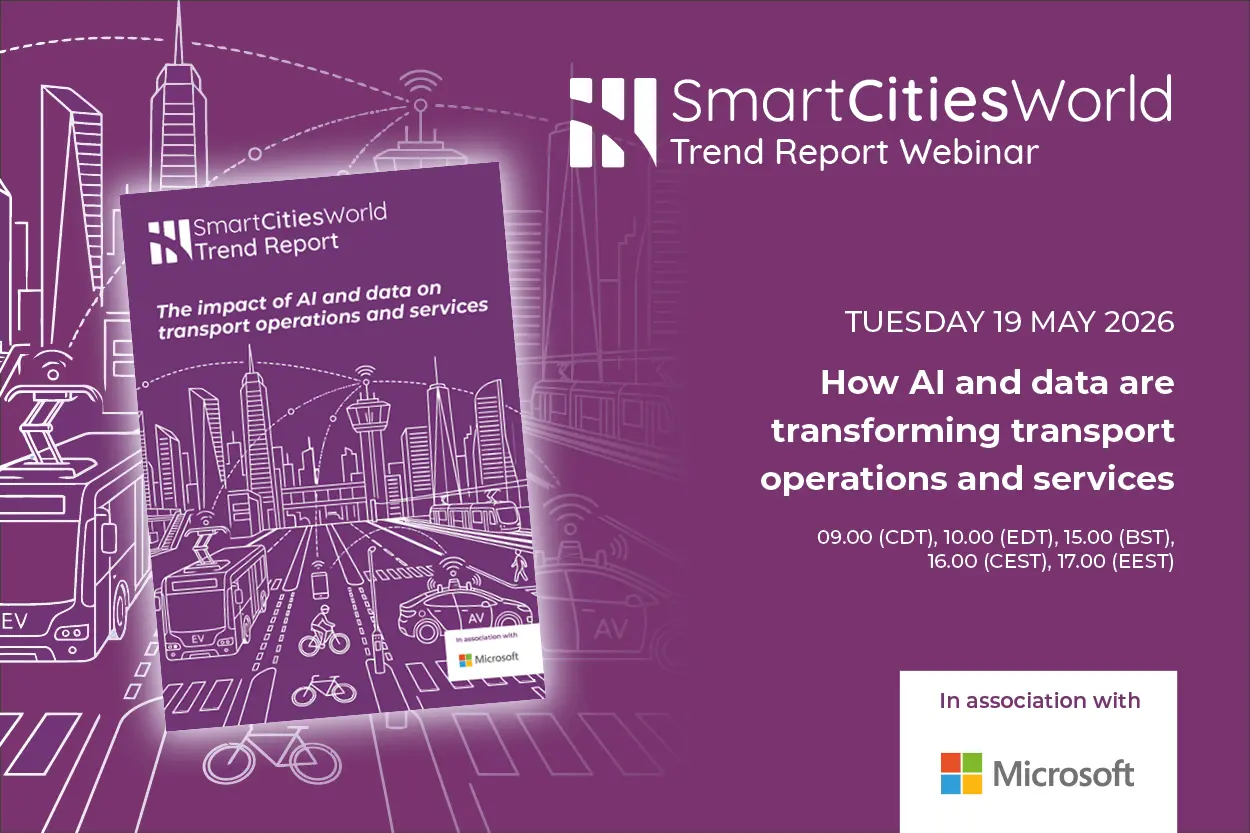
The Role of AI and Data in Modern Transport Operations
Transport agencies worldwide are increasingly turning to artificial intelligence to improve service delivery, optimize traffic flow, and enhance passenger experiences. However, as a leading technology company expert noted, the greatest opportunities for AI in transport depend on three pillars: strong data foundations, workforce readiness, and responsible governance. Cities must first ensure they have clean, standardized, and accessible datasets before deploying advanced algorithms. This groundwork includes integrating data from sensors, GPS devices, ticketing systems, and connected vehicles into unified platforms. Without this, AI models risk producing biased or inaccurate outputs that could undermine public trust.
During a recent industry summit, panelists emphasized that AI is not a silver bullet but a tool that requires careful implementation. For example, predictive maintenance of trains and buses using machine learning can reduce downtime by up to 30%, but only if historical performance data is properly curated. Similarly, AI-powered demand forecasting helps transit authorities adjust schedules and capacity in real time, reducing overcrowding and wait times. Yet, these benefits hinge on robust data pipelines and continuous model validation.
The summit also highlighted the importance of workforce readiness. Transport staff must be trained to interpret AI recommendations, intervene when systems falter, and understand ethical implications. A university president in Asia stressed that cities need to move beyond mere resilience toward regenerative urban systems—ones that not only withstand shocks but actively restore social and environmental health. This involves embedding AI into broader smart city frameworks that prioritize community needs.
Digital Twins: Reshaping Urban Infrastructure Management
One of the most discussed themes at the summit was the use of digital twins—virtual replicas of physical assets, systems, or processes—to manage urban infrastructure. A dedicated panel session explored how cities can adopt a more strategic, risk-based approach to infrastructure resilience using digital twins. These models allow urban managers to simulate various scenarios, such as flooding, power outages, or traffic congestion, and test mitigation strategies without disrupting real-world operations.
Digital twins are particularly valuable for critical infrastructure like water networks, electrical grids, and transportation hubs. For instance, a city can create a digital twin of its entire road network, incorporating real-time traffic data, weather conditions, and construction schedules to optimize signal timings and reduce emissions. The summit panel noted that the next frontier is integrating AI with digital twins to enable autonomous decision-making—for example, automatically rerouting emergency vehicles during a crisis.
However, interoperability remains a challenge. Many cities rely on legacy systems that do not communicate with each other. The panel called for open standards and data-sharing agreements between public and private stakeholders. A technology company expert added that responsible governance frameworks, including data privacy and algorithmic accountability, must be embedded from the outset.
Transforming Energy Systems for Sustainable Cities
Another critical session delved into how local authorities can shape energy systems through renewables, flexibility, storage, and smarter networks. As cities aim for carbon neutrality, they are increasingly investing in solar panels, wind turbines, and battery storage. But integrating these intermittent sources into existing grids requires intelligent control systems. AI and data analytics play a key role by forecasting renewable generation and adjusting demand response programs.
The summit highlighted successful case studies where cities have deployed microgrids powered by renewable energy and managed by digital platforms. These systems can island themselves during grid failures, ensuring continuous power for essential services like hospitals and emergency responders. In addition, smart meters and IoT sensors provide granular data that helps utilities balance loads and detect faults early.
A representative from an environmental conference noted that the smart cities movement offers a valuable platform for sharing practical solutions and building new connections. They emphasized that sustainability and digitalization go hand in hand: data-driven energy management reduces operational costs and carbon footprints simultaneously. The session concluded that city governments must act as catalysts, setting ambitious renewable energy targets and creating regulatory sandboxes for innovative pilot projects.
Building Community-Centric Smart Cities: Lessons from Sunderland and Dublin
The summit featured city profiles that demonstrated how digital infrastructure and low-carbon innovation can drive resilient, future-focused economies. Sunderland, for example, is repositioning itself as a leading smart city by deploying a citywide sensor network, open data platforms, and pilot projects in areas like autonomous vehicles and smart streetlights. These initiatives are designed to improve public services, attract investment, and enhance quality of life for residents. The city’s approach emphasizes collaboration between the local government, universities, and private sector partners.
Dublin, meanwhile, is using innovation to improve experiences and services for its communities. Key projects include digital twin simulations for traffic reduction, smart parking solutions that guide drivers to available spots, and economic growth initiatives that leverage data analytics to support local businesses. Dublin has also implemented open data policies that enable startups and researchers to build applications addressing urban challenges such as air quality monitoring and waste management.
Both cities underscore the importance of a clear vision and strong leadership. They have invested in basic digital infrastructure—such as reliable broadband and edge computing nodes—as a foundation for future applications. Moreover, they actively engage citizens through co-design workshops and digital platforms, ensuring that technology serves real community needs rather than being imposed from above.
The Security and Interoperability of Smart Lighting Networks
A series of episodes focused on smart lighting illuminated another vital aspect of urban infrastructure. Streetlights are being transformed from simple energy-saving devices into multifunctional platforms that host sensors, cameras, and wireless communication nodes. However, this evolution introduces cybersecurity risks that cities must address. The summit highlighted how global cities are approaching smart lighting by designing secure, interoperable, and future-proof systems.
Key considerations include encrypting data transmissions, regularly updating firmware, and segmenting networks to limit the impact of potential breaches. Cities are also adopting open standards to ensure that lighting systems can communicate with other urban infrastructure, such as traffic signals and air quality monitors. This interoperability is crucial for creating cohesive smart city ecosystems where data flows seamlessly between domains.
A panelist noted that smart lighting can serve as the backbone for broader IoT deployments, reducing the cost and complexity of installing separate networks for each sensor. For instance, light poles equipped with environmental sensors can provide real-time data on noise pollution or pedestrian footfall, aiding urban planning decisions. However, cities must balance functionality with privacy, ensuring that surveillance capabilities are used transparently and ethically.
Preparing for AI: The Data Groundwork with Sunderland
An on-demand webinar delved into the practical steps cities must take before implementing AI solutions, using Sunderland as a case study. The session emphasized that data governance is the first and most critical step. Sunderland has invested in a city data platform that aggregates information from multiple sources—traffic cameras, energy meters, waste bins, and social services—into a unified, secure repository. Data quality checks and metadata standards ensure that analysts and AI models work with reliable information.
The webinar also covered the importance of cross-departmental collaboration. Often, data sits in silos within different municipal agencies, hindering holistic analytics. Sunderland broke down these barriers by establishing a central data office and creating incentives for departments to share data. The city also launched public-facing dashboards that increase transparency and build trust.
Another key takeaway was the need for citizen engagement in AI projects. Sunderland held workshops to explain how algorithms would be used, addressing concerns about bias and job displacement. This participatory approach helped secure buy-in from residents and workers, which is essential for long-term success. The webinar concluded that while AI offers transformative potential, the groundwork of data readiness is non-negotiable.
Beyond Resilience: Toward Regenerative and Restorative Cities
A visionary keynote by a prominent academic leader challenged the smart cities community to think beyond resilience. They argued that cities should aim to be regenerative, restorative, and sensitive to community needs—actively improving ecosystems, social bonds, and economic vitality. This aligns with the growing movement toward biophilic urbanism, circular economies, and participatory governance. Data and AI can support these goals by measuring impacts on well-being, biodiversity, and resource efficiency.
The summit demonstrated that the future of cities will be defined by the ability to connect people, data, infrastructure, and investment into coherent, place-based strategies. From climate finance to AI-enabled public services, the discussions painted a picture of urban transformation that is both technologically advanced and deeply human. As cities recover from global disruptions and face mounting environmental pressures, the insights shared at this event provide a roadmap for building smarter, more sustainable, and inclusive communities.
Ultimately, the convergence of AI, data, digital twins, and renewable energy is not just about efficiency—it is about reimagining urban life. The examples from Sunderland, Dublin, and others show that when technology is deployed with vision and care, it can create cities that are not only responsive to today’s challenges but also prepared for tomorrow’s opportunities. The journey requires continuous learning, collaboration, and a steadfast commitment to serving the public good.
Source: Smart Cities World News