

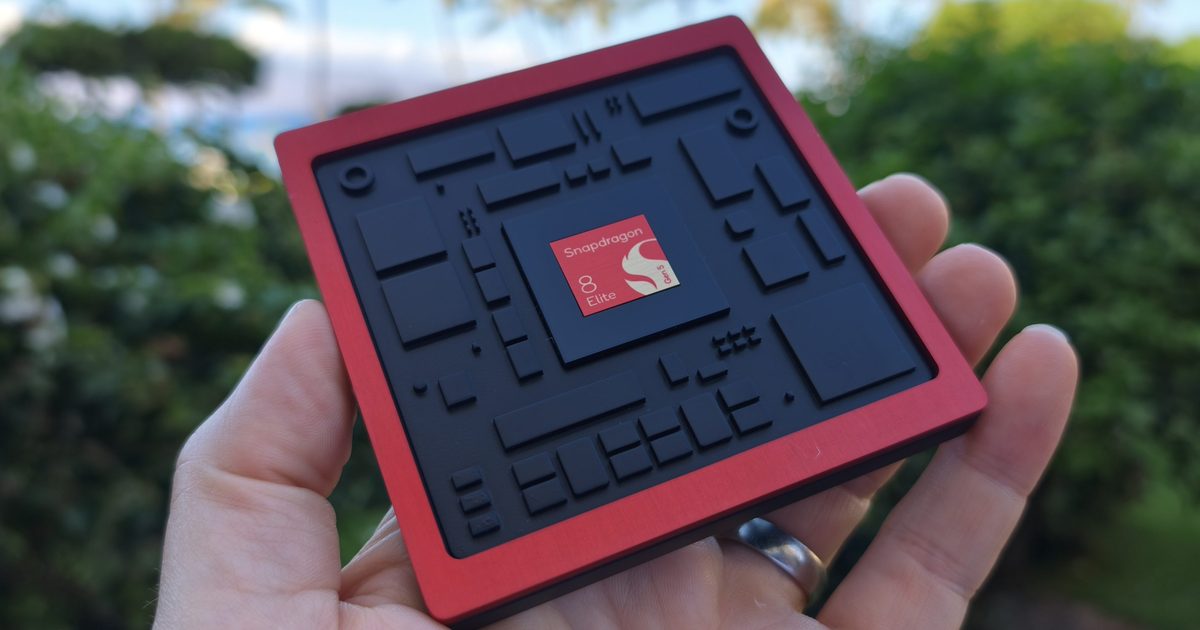
Qualcomm, the dominant supplier of mobile processors, is set to increase the price of its Snapdragon chips across the board starting September 2026. According to reports, the company has sent letters to all major customers notifying them of a price hike that could range from 5% to 10%, depending on the specific chip model and order volume. This move is expected to raise the cost of virtually every consumer device that relies on Qualcomm silicon, from flagship Android smartphones to Windows laptops, smart glasses, and wearables.
Why Qualcomm Is Raising Prices
The price increase is not arbitrary. Qualcomm has stated that it has exhausted its ability to absorb higher costs from its own suppliers. The company has explored alternative sourcing for components but found no viable short-term solutions. The root cause lies in a massive global surge in demand for semiconductors, particularly driven by the explosive growth of artificial intelligence data centers. These facilities consume enormous quantities of memory chips and advanced logic chips, the same types used in consumer electronics. This has created a supply bottleneck that shows no signs of easing soon.
TSMC, which manufactures chips for Qualcomm, Apple, Nvidia, and nearly every other major semiconductor company, has become the central chokepoint. While TSMC is building new fabs in Japan, the United States, and Germany, these facilities will not come online until late 2027 or 2028. Wall Street analysts expect the current supply crunch to persist well into 2027, meaning Qualcomm and its peers will continue to face elevated manufacturing costs. By raising prices now, Qualcomm aims to protect its profit margins while still meeting the insatiable demand for its chips.
The Role of TSMC and AI Demand
The connection between AI data centers and consumer chip prices may not be immediately obvious, but it is direct and powerful. AI training and inference require massive parallel processing, typically using GPUs and specialized accelerators like Nvidia's H100 or AMD's MI300X. However, these systems also need large amounts of high-bandwidth memory and advanced logic chips for networking and control. The manufacturing capacity for these advanced nodes is shared across all customers. When AI companies order huge volumes, they consume fab capacity that could otherwise be used for smartphone or PC chips.
TSMC's advanced 3nm and 4nm nodes are the most in-demand. Qualcomm's Snapdragon 8 Gen 3 and the upcoming Snapdragon 8 Gen 4 are built on these nodes. Similarly, Apple's A17 and M3 series, Nvidia's latest GPUs, and AMD's Ryzen processors all compete for the same production lines. The result is a seller's market for foundry services, and TSMC has been raising its prices accordingly. Qualcomm, as a fabless company that relies entirely on TSMC, has little choice but to pass these increases downstream.
Which Devices Will Be Affected?
The broadest impact will be on Android smartphones. Brands like Samsung, Xiaomi, OnePlus, Oppo, Vivo, and Motorola all use Snapdragon chips in their flagship models. Even mid-range devices often feature Snapdragon 7-series or 6-series chips. A price hike of 5-10% on the chip could translate into a $20–$50 increase in the final retail price of a smartphone, depending on the model and the brand's margin strategy. However, the effect will not be limited to phones.
Qualcomm's Snapdragon X Elite and X Plus processors power a growing number of Windows laptops, offering strong competition to Intel and Apple Silicon. These premium devices, often priced above $1,000, could see cost increases of $50–$100. Additionally, Meta's Ray-Ban smart glasses, the Quest series of VR headsets, and even some smartwatches like the recently launched Galaxy Watch series rely on Snapdragon or Snapdragon Wear chips. The smart glasses market, still nascent and price-sensitive, may be particularly vulnerable to such hikes.
Automotive chips are another area where Qualcomm has made significant inroads. The Snapdragon Digital Chassis, which powers infotainment systems, ADAS, and connectivity in cars from BMW, General Motors, and others, could also see price increases. While automotive contracts are often long-term and negotiated differently, new orders placed after September 2026 will likely reflect the higher chip costs.
Timeline and Market Impact
The September 2026 effective date gives manufacturers time to plan. However, devices launching in early 2027 that incorporate chips purchased after that date will bear the brunt. This timeline aligns with the expected ramp of the next-generation Snapdragon 8 Gen 4, which may debut in early 2027. Flagships from Samsung, Xiaomi, and OnePlus in 2027 could be the first to show significant price increases.
On the stock market, Qualcomm shares ticked upward on the news, as investors anticipated increased revenue per chip. For consumers, the outlook is less positive. Combined with rising memory costs—DRAM and NAND prices have also been climbing due to AI-related demand—the cost of a new smartphone, laptop, or other gadget in 2027 could be notably higher than today. Some analysts predict that the total bill of materials for high-end smartphones could rise by 15–20% year over year.
The price hike also puts pressure on Qualcomm's competitors. MediaTek, which supplies chips for mid-range and budget phones, may see an opportunity to gain share if it can hold prices steady. However, MediaTek also relies on TSMC for manufacturing, so similar cost pressures apply. Apple, which designs its own chips and uses them exclusively in its devices, is somewhat insulated because it does not sell chips to others, but it too faces higher manufacturing costs from TSMC.
In the PC space, Intel and AMD may benefit if Qualcomm's Windows laptops become more expensive. However, both Intel and AMD also use TSMC for some chips, and Intel's own fabs are still ramping up advanced nodes. The net effect is likely to be higher prices across the entire consumer electronics landscape for at least the next two years.
Long-term, Qualcomm's strategy includes expanding its own in-house capabilities and investing in alternative suppliers. The company is reportedly working on increasing its use of Samsung's foundry as a secondary source, but Samsung's advanced node yields have been inconsistent. Until new fabs come online and supply catches up with demand, consumers and manufacturers alike will have to absorb the cost.
Source: Digital Trends News