

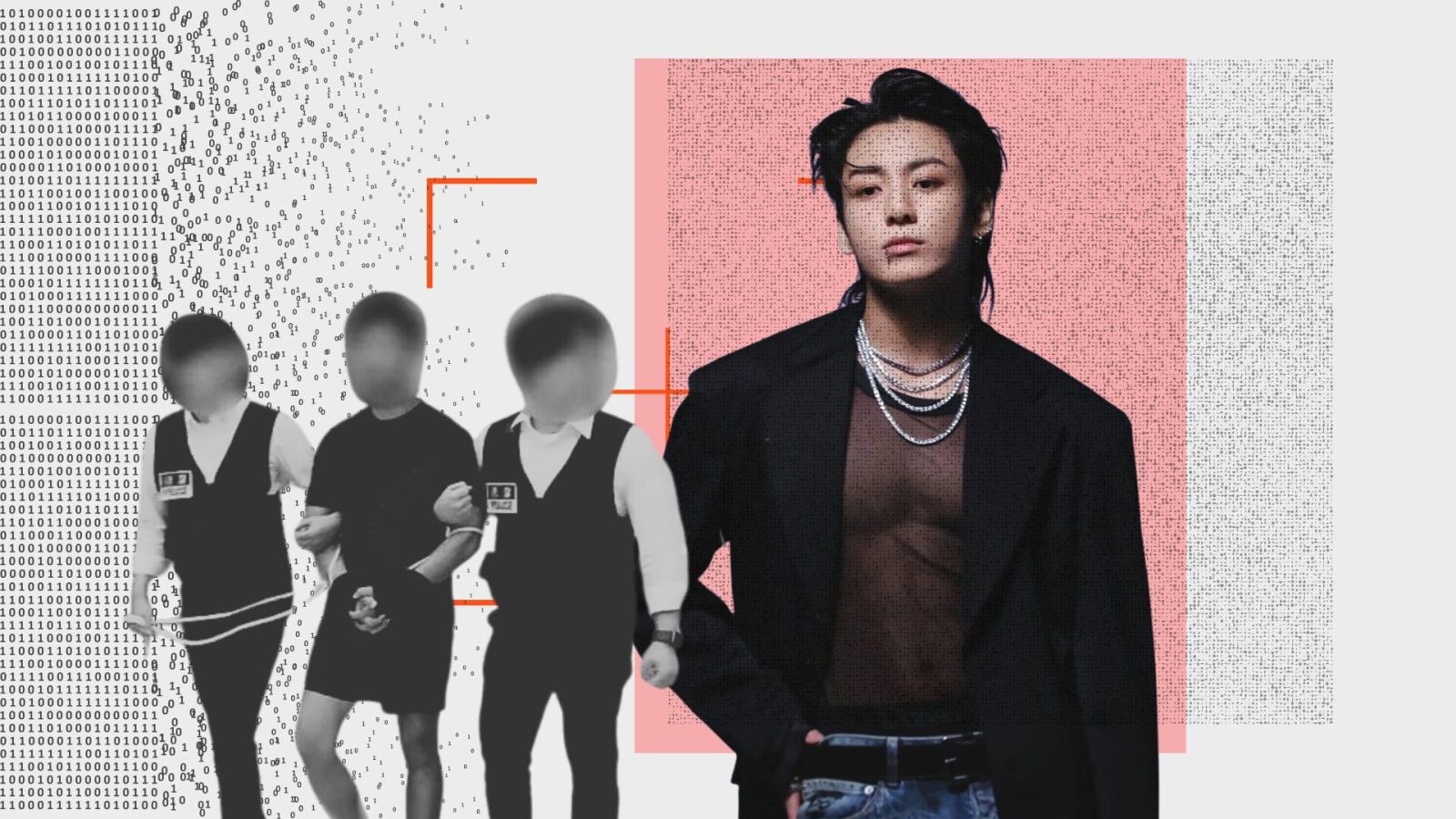
A massive cybercriminal operation has been uncovered, and its target is no less than Jungkook, the internationally acclaimed singer and member of the K-pop group BTS. Security researchers have identified a complex web of phishing websites, malicious streaming links, and social media frauds built around the star's image and music. This operation is not just a minor scam; it is a coordinated and wide-reaching effort designed to exploit one of the most devoted and digitally active fanbases in the world: the ARMY.
The campaign leverages Jungkook's immense popularity to distribute malware, steal personal data, and siphon money from unsuspecting fans. With billions of views on his solo and group music videos, and a massive presence on platforms like YouTube, Instagram, and TikTok, Jungkook has become a prime vehicle for cybercriminals looking to cast a wide net. This article delves into the details of this operation, the reasons why K-pop fans are increasingly targeted, and how you can protect yourself from these threats.
An operation of unprecedented scale
According to the available intelligence, the operation is characterized by its use of attractive offers and exclusive content featuring Jungkook. Cybercriminals have created fake YouTube live streams, often titled with phrases like “Jungkook Live: Exclusive Performance” or “BTS Secret Behind-the-Scenes Video,” to lure fans into clicking on malicious links. These links can lead to fraudulent websites that mimic official streaming platforms, prompting users to enter their login credentials or download fake media players that are actually trojans.
The attack chain often starts on social networks, where automated accounts post links to supposed “free downloads” of Jungkook’s latest album or concert recordings. In some cases, QR codes placed on fake merchandise, such as t-shirts or photocards, have been found to direct users to phishing portals. The sophistication of the operation suggests a well-organized criminal group or multiple groups operating in coordination, using optimized search engine poisoning to make their malicious pages appear at the top of search results for queries like “Jungkook mp3 download” or “BTS concert live stream.”
One of the most worrying aspects is the use of deepfake technology. Cybercriminals have been known to create realistic but fake videos in which Jungkook appears to promote cryptocurrency investment schemes or giveaway contests. These videos are distributed across TikTok and X (formerly Twitter), and they are so convincingly produced that even longtime fans may be deceived. The scale of this deepfake campaign is unprecedented, exploiting not only the identity of the artist but also the trust his followers place in his image.
Jungkook, prime target of cybercriminals
Jungkook, whose full name is Jeon Jung-kook, is not just a member of BTS; he is a global phenomenon. As the lead vocalist of the group, he has accumulated a massive following. His solo single “Seven,” released in 2023, broke several streaming records, and his influence extends well beyond music. He has collaborated with fashion brands, has a huge presence on Instagram, and is known for his engaging live streams on platforms like Weverse. This visibility makes him an ideal hook for criminal enterprises.
The BTS group itself has been a cultural juggernaut, earning billions of dollars and reshaping the global music industry. The ARMY fanbase is estimated to be in the tens of millions, and its members are known for their strong online presence and their willingness to support the group through purchases of albums, merchandise, and concert tickets. This spending power is precisely what attracts cybercriminals, who see an opportunity to exploit the emotional connection fans feel with their idols. By impersonating Jungkook or his official account, attackers can trigger a flood of clicks and financial transactions.
In this specific operation, the cybercriminals are not just targeting a few dozen people; they are targeting the entire ecosystem of content surrounding Jungkook. They create entire fake online stores that sell replica items, presumably from Jungkook’s personal brand. They buy advertising slots on search engines and social media to promote these fraudulent shops. They even go as far as to contact fans directly through WhatsApp or Telegram, posing as member of his management team, offering exclusive signed albums in exchange for a “small shipping fee” — a classic advance-fee fraud.
A fanbase under attack
Why does the fanbase of a K-pop star become the target of such a large-scale cybercriminal operation? The answer lies in the unique characteristics of K-pop fandom mentality. Fans, often referred to as “stan” communities, are deeply loyal and highly mobile-native. They are used to spending hours online, streaming content, voting in polls, and trying to get the latest news about their favorite artists. This high engagement gives cybercriminals many entry points and also creates a strong emotional urgency, which can cloud judgment.
Many ARMY members are young, but the demographic also includes adults with high disposable income. They are often willing to spend large sums on limited-edition merchandise or to travel to concerts. Cybercriminals exploit this by creating fake ticket-selling pages for BTS concerts, especially for sold-out shows. In this operation, the tickets are sometimes touted as being for Jungkook’s solo appearances at festivals, like his famous performance at Jeddah Season in Saudi Arabia or his headlining set at Global Citizen Live. The tickets are often sold at inflated prices, and the buyer loses both money and personal data.
Another factor is the strong sense of community and trust.
Fans often share links and recommendations with each other in group chats, and they are less likely to question a warning that comes from a fellow fan. Cybercriminals take advantage of this by infiltrating fan communities on platforms like Discord and Telegram, posing as moderators, and distributing links that are actually malicious. This peer-to-peer dissemination makes the attack appear legitimate, and it spreads quickly through the community.
The K-pop ecosystem: a breeding ground for scams
The problem is not entirely new. K-pop fandoms have long been a target for smaller-scale scams, such as fake merchandise or unauthorized re-sale of concert tickets. What is new is the scale and the level of sophistication in this operation against Jungkook. It takes advantage of the globalized nature of fandom, with fans in different countries and languages, making it harder for official authorities to track and dismantle the criminal network from a single jurisdiction.
Moreover, the K-pop industry itself does not always have robust cybersecurity measures. While Big Hit Music, the label behind BTS, is known for its meticulous management, it cannot fully control the entire online ecosystem where fans interact. The official platforms, such as Weverse, are well guarded, but fans often migrate to unofficial forums, fan-run streaming parties, or third-party apps, where security awareness is lower. This creates fragmented spaces where cybercriminals can operate with relative impunity.
In this context, the enormous popularity of Jungkook becomes a double-edged sword. In March 2023, when Jungkook posted a simple Instagram photo, it received millions of likes within minutes, setting a record. Every action he takes online is scrutinized and shared, and his Instagram stories are often reposted within seconds. Cybercriminals know this, and they build their traps around his every public move. A casual mention by him of a song or a movie can be used within hours to launch a fraudulent promotion or a malware-laced mobile app that claims to offer wallpapers or videos related to that subject.
How to spot a cybercriminal trap
Given this threat, it is imperative for fans, but also for any user, to adopt certain reflexes. First of all, be suspicious of unsolicited offers that seem too good to be true. A free download of an exclusive song, a chance to win a video call with Jungkook, or a raffle for a signed album, especially when promoted through a non-official link, is a major red flag. Always check the URL of the website; official platforms have specific domain names, and any domain that has a slight variation or misspelling is likely a phishing site.
Second, enable two-factor authentication (2FA) on all your accounts, especially those linked to payment methods. If a cybercriminal obtains your password through a fake login page, 2FA can be the barrier that prevents them from accessing your account. Use reputable security software on your devices and keep it updated. Many of the trojans distributed in these campaigns are designed to steal credentials saved on your browser, so protecting the device is crucial.
Third, always verify the authenticity of any content that involves direct communication with the artist or his team. Jungkook will not contact you personally on WhatsApp or Telegram, and he will not ask you to send money to a private account or to purchase gift cards for a chance to meet him. Official announcements are made through BTS’s official social media accounts, the Weverse app, or the Big Hit Music website. When in doubt, go directly to these sources.
Finally, use a password manager and never use the same password across different sites.
If you fall victim to a phishing attack and reuse your credentials on multiple platforms, the attackers will quickly gain access to your email, social networks, and even bank accounts. A password manager can generate and store unique passwords for each site, reducing the blast radius of any single data breach.
The role of platforms and authorities
Platforms like YouTube, Instagram, and TikTok have a significant responsibility in removing malicious content rapidly. They have stated that they use artificial intelligence and human moderators to detect coordinated inauthentic behavior, but the sheer volume of content and the rapidly evolving tactics of cybercriminals make it a constant game of catch-up. For this specific operation, researchers have reported that some malicious videos remained online for weeks before being taken down, and while they were live, hundreds of thousands of fans may have been exposed.
Authorities in different countries have also begun to act. In South Korea, the National Police Agency has collaborated with other countries to shut down some of the servers hosting the phishing sites. However, cybercriminal networks are often geographically dispersed, and the operators can hide behind anonymity tools like VPNs and Tor, making legal pursuit difficult. The victims are often reluctant to report the crime because they may have been trying to circumvent official ticket-gate or using an unofficial platform, which adds a layer of complexity to law enforcement efforts.
BTS’s management agency, Big Hit Music, has issued warnings in several languages, urging fans to be careful about unofficial content and encouraging them to report suspicious activities. They have also taken a strong stance against deepfakes, requesting the removal of unauthorized videos and initiating legal actions against some content creators. Yet, as the operation targeting Jungkook demonstrates, cybercriminals are resilient and will quickly adapt their tactics. The fight against such cybercrime operations requires a collective effort from the artist, the fandom, platforms, and police forces.
In the meantime, fans can take proactive steps to protect themselves and their communities. By sharing information about the latest scams and supporting each other in identifying fraudulent behavior, the ARMY can make the cybercriminal’s job much harder. The greatest weapon against these operations is not merely technology, but informed and alert users. As this current operation continues to evolve, one thing is certain: the criminals will keep following the spotlight, and Jungkook’s star power will remain a powerful magnet.
Source: Numerama News