

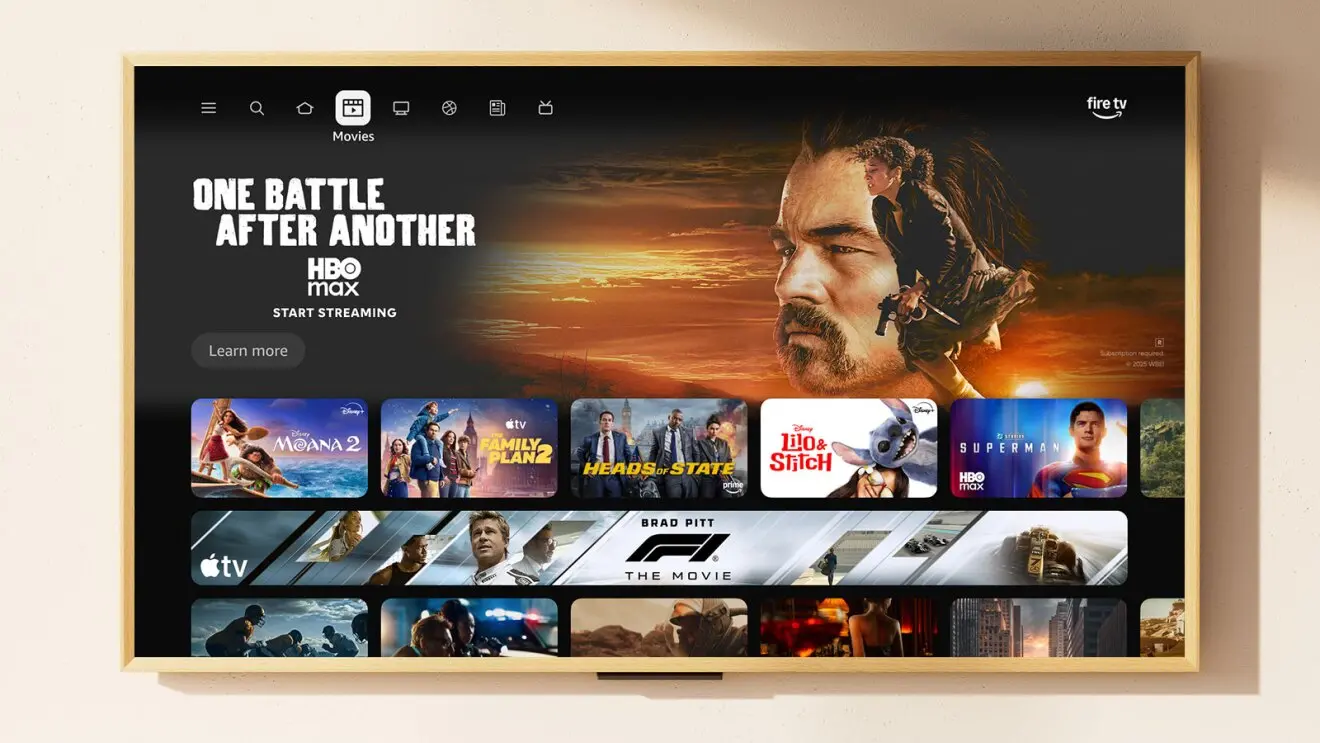
Amazon has officially begun rolling out the redesigned Fire TV interface to all current-generation Fire TV Stick models and Ember smart TVs. The update, which was first teased earlier this year, marks a significant visual and functional overhaul for the streaming platform. The new design draws clear inspiration from Google TV, featuring a cleaner, more modern aesthetic with rounded corners, refreshed color gradients, updated typography, and optimized spacing.
The rollout covers devices like the Fire TV 4K Select, Fire TV Cube, and Ember TVs that launched last fall. According to Amazon, the new interface is now available on all current-generation Fire TV Sticks and Ember TVs, with a broader expansion planned for later this summer. This expansion will include devices from various manufacturers around the world, signaling a major shift in Amazon's streaming strategy.
A New Look and Feel
The redesigned Fire TV UI aims to compete more directly with Google TV, which has gained popularity for its content-first approach and personalized recommendations. Amazon's new interface adopts a similar philosophy, putting content discovery at the forefront. The home screen now features a new tab dedicated to content from various subscriptions, making it easier for users to find shows and movies from services they already pay for. A shortcut panel provides quick access to settings, inputs, and other frequently used features, while the home screen can hold up to 20 pinned apps, up from the previous limit of 15.
Beyond the visual changes, Amazon claims the new UI delivers a 20-30% speed boost in some cases. This performance improvement is achieved through better optimization of the underlying software and a reduction in bloatware. Users should notice faster navigation, quicker app launches, and smoother transitions between screens. The company has also improved accessibility features, with better support for screen readers and high-contrast modes.
Background and Context
Amazon's Fire TV platform has been a major player in the streaming device market since its launch in 2014. Over the years, it has evolved from a basic streaming stick into a comprehensive ecosystem that now includes smart TVs, soundbars, and even integration with Amazon's Alexa voice assistant. However, the user interface has remained largely unchanged for years, even as competitors like Google TV, Roku, and Apple TV have introduced more modern designs with richer content discovery features.
Google TV, which launched in 2020 as a successor to Android TV, quickly gained a reputation for its intuitive interface that surfaces content from multiple streaming services based on user preferences. The Google TV interface uses machine learning to recommend movies and shows, and its tab-based navigation (For You, Live, Movies, Shows, Apps) has been widely praised. Amazon's new Fire TV UI borrows many of these elements, including the emphasis on content aggregration and personalized recommendations.
The timing of the rollout is strategic, coming just before Amazon's annual Prime Day event. Prime Day is one of the biggest sales events of the year, and Amazon likely wants to showcase the new interface to attract more users to its Fire TV devices. The update could also be a move to counter the growing popularity of Google TV, which has been adopted by several TV manufacturers, including Sony, TCL, and Hisense.
Key Features of the New UI
- Improved Navigation: The new interface features a streamlined layout with fewer menus and more intuitive navigation. The top-level categories have been reorganized to prioritize content discovery.
- Subscription Tab: A dedicated tab aggregates content from all of the user's subscribed services, including Netflix, Hulu, Disney+, Prime Video, and others. This reduces the need to open individual apps to find something to watch.
- Shortcut Panel: A customizable shortcut panel provides quick access to frequently used features, such as settings, inputs, and recently used apps. Users can add or remove shortcuts as needed.
- Pinned Apps: The home screen can now hold up to 20 pinned apps, allowing users to customize their device to their viewing habits. The apps can be rearranged easily via drag-and-drop.
- Performance Boost: Amazon claims a 20-30% improvement in overall speed, with faster loading times for the home screen, app launches, and content loading. This is achieved through software optimizations and reduced memory usage.
- Visual Refresh: The UI now features rounded corners for cards and buttons, new color gradients that match the content being displayed, and updated typography for better readability. Spacing between elements has been optimized to reduce visual clutter.
- Enhanced Recommendations: The algorithm for content recommendations has been improved, taking into account viewing history, ratings, and trending shows. The “Continue Watching” row now appears more prominently.
- Accessibility: The new interface includes better support for closed captions, audio descriptions, and screen readers. Voice control via Alexa remains a core feature, with improvements to natural language processing.
Device Availability
The rollout is starting with current-generation Fire TV Sticks, including the Fire TV Stick Lite, Fire TV Stick (3rd Gen), Fire TV Stick 4K, Fire TV Stick 4K Max, and Fire TV Cube (3rd Gen). Additionally, Ember smart TVs that were launched last fall are receiving the update. Ember is Amazon's own smart TV brand, which offers Fire TV built-in.
Amazon has not announced a specific timeline for the expansion to other devices, but it has stated that the new experience will come to more Fire TV-enabled TVs from brands like Toshiba, Insignia, Pioneer, and others later this summer. The company also plans to update the Fire TV edition of soundbars and other accessories. This gradual rollout is typical of Amazon's software update strategy, which aims to ensure stability and gather feedback before a wider release.
Users who own a compatible device can check for the update by going to Settings > My Fire TV > About > Check for Updates. The update is being pushed over the air, so users may need to wait a few days for it to appear on their device. Amazon recommends keeping the device connected to the internet and plugged into a power source to avoid interruptions during the update process.
Impact on the Streaming Market
The redesigned Fire TV UI is a clear response to the evolving streaming landscape. As more consumers cut the cord and rely on streaming services, the user interface of a streaming device becomes a critical factor in the overall experience. A cluttered or confusing interface can drive users to competing platforms, while a clean, personalized interface can increase engagement and satisfaction.
Amazon's move to mimic Google TV's design language is a strategic acknowledgment that Google has set a high bar for content discovery. By adopting similar features, Amazon aims to level the playing field while leveraging its own strengths, such as deep integration with Amazon Prime Video and Alexa. The inclusion of a subscription tab is particularly notable, as it addresses a common pain point: users often forget which services they are subscribed to and spend time scrolling through apps to find something to watch. By aggregating content from all subscriptions, Amazon reduces friction and keeps users within its ecosystem longer.
Performance improvements are also crucial. One of the most common complaints about previous Fire TV versions was sluggish navigation, especially on older hardware. The 20-30% speed boost should make a noticeable difference, particularly on the entry-level Fire TV Stick, which has limited processing power. This could help Amazon retain budget-conscious users who might otherwise be tempted by cheaper Roku models or Google TV stick alternatives.
However, the new UI is not without potential drawbacks. Some users may prefer the classic Fire TV interface, with its simpler grid layout and fewer distractions. The emphasis on content pooling could also lead to concerns about privacy, as Amazon will need to collect data on users' subscriptions and viewing habits to power recommendations. Amazon has stated that all data is handled in accordance with its privacy policy and that users can opt out of personalized recommendations. Additionally, the new interface may introduce a learning curve for longtime Fire TV users who are accustomed to the old layout.
Comparing to Competitors
The streaming device market is highly competitive, with three main players: Amazon Fire TV, Roku, and Google TV (via Android TV/Google TV devices). Apple TV also has a presence but at a higher price point. Roku has long been praised for its simple, neutral interface that focuses on apps rather than content recommendations. Google TV, on the other hand, emphasizes content discovery across services, and Fire TV is now moving in that direction.
Roku's approach is more platform-agnostic; it does not have a proprietary streaming service that it promotes heavily. Amazon, by contrast, uses Fire TV to push Prime Video and other Amazon services. The new interface subtly continues this trend by featuring Prime Video content prominently in the subscription tab, but the overall design is more balanced than before. Google TV similarly promotes its own content, but also includes recommendations from third-party services.
Apple TV's tvOS takes a different route, focusing on integration with Apple's ecosystem, including AirPlay, iCloud, and Apple Music. Its interface is clean but less personalized than Google TV or the new Fire TV. Apple also offers a large library of premium content through Apple TV+, but the device's high price limits its market share.
For consumers, the choice between these platforms often comes down to personal preference and existing ecosystem loyalty. Amazon's new UI may sway some users away from Roku, especially those who rely heavily on Amazon services. Conversely, Roku's simplicity might still appeal to users who want a no-frills experience. Google TV's strength lies in its powerful recommendation engine and tight integration with Google services like YouTube and Google Photos.
Amazon's expansion plans for the new Fire TV interface indicate a long-term commitment to improving the user experience. By rolling out the update to third-party TVs, Amazon is essentially competing with Roku's licensing model, where Roku provides its OS to TV manufacturers. If Amazon can offer a comparable or better experience, it could capture a larger share of the smart TV market.
Technical Details and User Feedback
Early user impressions of the new Fire TV UI have been generally positive. On Reddit and other forums, users have noted the smoother navigation and cleaner design. Some have pointed out that the new interface reduces the amount of advertising on the home screen, which was a major complaint of the old version. The shortcut panel and pinned apps are also popular features.
However, some users have reported minor bugs, such as apps not updating or the home screen taking a few seconds to fully load after waking the device. Amazon is likely to address these issues with subsequent software updates. The company has a history of rapidly iterating on its software based on user feedback, so improvements should be expected.
From a technical standpoint, the new UI is built on a modified version of Android, which is the base of Fire OS. Amazon has optimized the code to reduce the overall footprint, freeing up memory for faster performance. The improvement is most noticeable on devices with limited RAM, such as the Fire TV Stick Lite, which has 1GB of RAM. On the Fire TV Cube, which has more powerful hardware, the boost is less dramatic but still appreciable.
One notable change is the removal of the older “Featured” row, which used to display advertisements heavily. The new design replaces it with a more personalized “For You” section that includes a mix of recommended content, trending shows, and recently watched items. This shift aligns with Amazon's goal to make the interface less ad-centric and more user-centric. Advertisements still exist but are integrated more organically, such as promoted shows within the recommendation feed.
The accessibility improvements are also worth highlighting. The new UI offers enhanced compatibility with third-party screen readers like TalkBack, and the contrast ratios for text and buttons have been adjusted for better visibility. Users with motor impairments can benefit from the larger click targets and improved voice control accuracy.
Future Outlook
Amazon's redesigned Fire TV UI is a significant step forward for the platform. By adopting a Google TV-like approach, Amazon is positioning itself to compete more directly in the streaming device market, which remains highly fragmented. The 20-30% speed boost addresses a common pain point, while the new content aggregation features simplify the user experience. The expansion to third-party TVs later this summer could help Amazon increase its market share, especially if consumers view the new interface as superior to Roku or built-in TV OS options.
The update also strengthens Amazon's ecosystem play. With Alexa integrated throughout the interface, users can control smart home devices, check weather, and play music using voice commands. The new subscription tab encourages users to keep paying for multiple streaming services, which indirectly benefits Amazon through its affiliate links and cut of subscription sign-ups (for services that offer such arrangements). Additionally, Prime Video remains a cornerstone, and the redesigned interface makes it easier for users to find and start watching Prime content.
As streaming wars intensify, the user interface will become an increasingly important differentiator. Companies like Netflix and Disney+ have developed their own recommendation systems, but the device-level interface can either complement or compete with those. Amazon's new Fire TV UI aims to be the central hub for all streaming activity, reducing the need to jump between apps. If successful, this could lock users into the Fire TV ecosystem, making them less likely to switch to a competing device.
The rollout timeline suggests Amazon is being cautious. By starting with current-gen devices, the company can ensure a smooth experience before expanding to older hardware and third-party TVs. Older Fire TV devices may not receive the update due to hardware limitations, which could frustrate some users. However, Amazon has not yet announced which older models will be left out.
Overall, the redesigned Fire TV UI represents Amazon's most ambitious software update to date. It borrows the best elements from Google TV while adding unique features that leverage Amazon's strengths. With performance improvements, a cleaner interface, and better content discovery, the new Fire TV experience is likely to satisfy both new and existing users. As the update reaches more devices over the coming months, it will be interesting to see how consumers respond and whether Amazon can maintain its position in the streaming device market.
Source: Android Authority News