

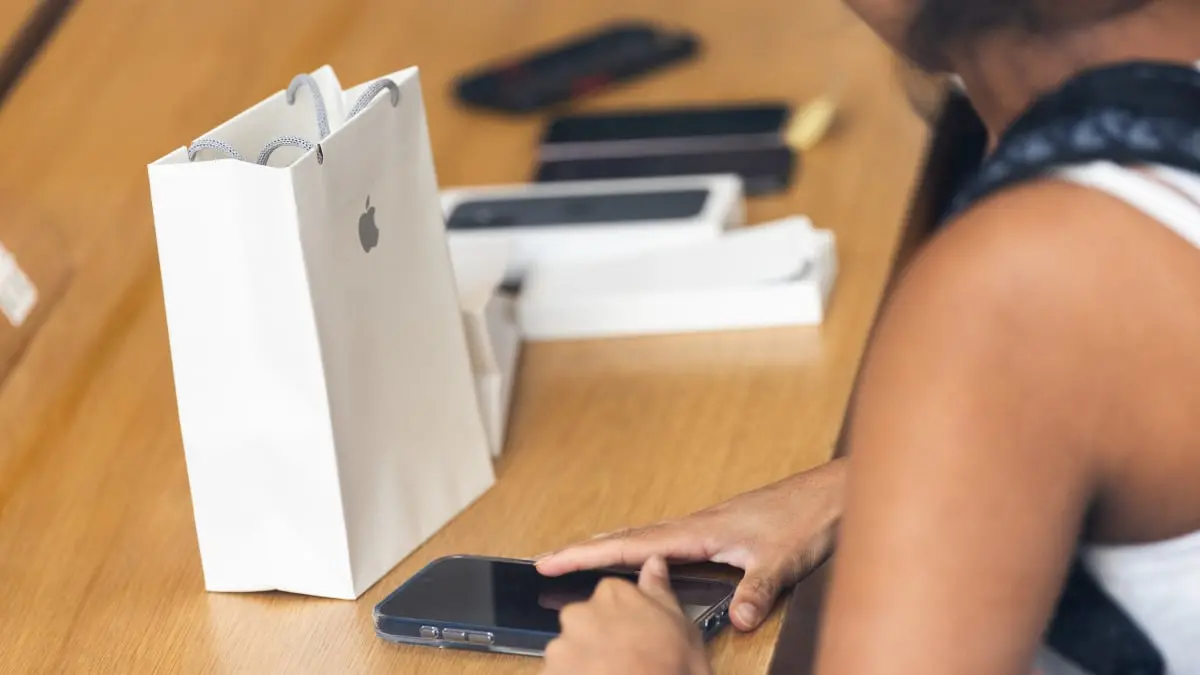
Apple has officially launched Apple Upgrade, a new leasing program that covers the iPhone, Apple Watch, Mac, and iPad. The program is available online, through the Apple Store app, and at Apple retail locations across the United States. It replaces the previous Apple iPhone Upgrade Program, which is no longer accepting new customers, and shifts the financing role from Citizens One to Klarna. As technology prices continue to climb and smartphone sales plateau, Apple Upgrade aims to give customers a more flexible way to experience the latest devices without committing to full ownership upfront. The launch comes just months before Apple is expected to unveil the iPhone 18, making it a timely option for those who want to upgrade frequently.
Unlike the old program, which functioned as a loan that eventually transferred ownership of the device to the customer, Apple Upgrade is structured explicitly as a lease. Customers pay a monthly fee to use a device for a fixed term. At the end of that term, they can upgrade to a new product, pay a purchase fee to keep the device, or return it and walk away. If they do nothing, the lease automatically converts to a month-to-month arrangement for up to six months, with payments that may increase during that period. This marks a significant shift in how Apple approaches device financing and places greater emphasis on recurring subscription-style revenue.
If you are considering leasing your next iPhone, Apple Watch, Mac, or iPad, we have compiled answers to the most common questions about how the new Apple lease program works. Whether you are a longtime Apple user or new to the ecosystem, understanding the details of this program can help you decide if leasing is the right choice for your budget and upgrade habits.
What is the Apple Upgrade program?
Apple Upgrade is a Klarna-backed leasing program for U.S. shoppers that launched on July 28. It allows customers to lease new Apple devices for a period of 12, 24, or 36 months, depending on the product. For example, the iPhone upgrade program offers leasing prices starting at just $17.99 per month, but users can lower their monthly payments by trading in their current iPhone through Apple Trade In. The program is designed for people who want to stay on the cutting edge of technology without paying the full retail price upfront. It also appeals to those who prefer predictable monthly costs rather than a large one-time purchase.
The program is part of Apple's broader push into services and recurring revenue. By partnering with Klarna, Apple is also diversifying its financing options beyond traditional credit cards and carrier installment plans. Klarna is known for its buy-now-pay-later services, and its involvement brings a more flexible, app-based approach to device leasing. Customers can learn more about the program through the Apple newsroom or sign up directly on Apple's website.
What devices are eligible?
The Apple Upgrade program covers most new iPhone, Apple Watch, Mac, and iPad devices. The eligible devices are:
iPhone 17
iPhone 17e
iPhone 17 Pro
iPhone Air
Apple Watch Series 11
Apple Watch Hermès Series 11
Apple Watch Ultra Watch 3
Apple Watch Hermès Ultra 3
M5 MacBook Air
M5 MacBook Pro (M5 Pro and M5 Max also included)
M4 iPad Air
iPad Mini (A17 Pro Chip)
A handful of older or budget models are excluded from the program. These include the iPhone 16, iPhone 16 Plus, Apple Watch SE, MacBook Neo, Mac Mini, iPad (A16), and Studio Display. The Vision Pro is also not part of the Apple Upgrade program. This means that if you are interested in leasing a more affordable or previous-generation device, you will need to consider other financing options, such as Apple Card Monthly Installments or a traditional carrier plan.
How long are the lease terms?
Lease terms vary depending on the device category. For iPhone and Apple Watch, leases run for either 12 or 24 months. For Mac and iPad, leases run for 24 or 36 months. However, not every term is available on every device. Shorter terms typically come with higher monthly payments, while longer terms spread the cost out more thinly. The choice between a 12-month and 24-month lease often depends on how frequently you like to upgrade. If you prefer to have the latest iPhone every year, the 12-month term is clearly the better fit. If you are comfortable keeping a device for two years, the 24-month term offers lower payments and a longer period before you need to make a decision about upgrading or purchasing the device.
For Mac and iPad users, the 24-month and 36-month terms reflect the longer useful life of these products. Laptops and tablets typically remain relevant for several years, so Apple gives customers the option to lease them for extended periods. This flexibility is particularly valuable for professionals and students who need a powerful machine but do not want to bear the full cost at once.
How much does it cost per month?
Pricing for the Apple Upgrade program starts at $17.99 per month for iPhone, $11.99 per month for Apple Watch, $24.99 per month for Mac, and $11.99 per month for iPad. However, actual payments vary based on the specific device model, storage capacity, and lease length. Higher-tier devices with more storage will naturally cost more per month. No security deposit is required, which lowers the barrier to entry for many customers. Additionally, trading in a current device through Apple Trade In can reduce the monthly rate further. The trade-in value depends on the model, condition, and age of your existing device, and it is applied as a credit toward your lease payments.
It is important to note that the advertised starting prices typically apply to the base configuration of each device. If you choose a higher storage option or additional features, the monthly payment will increase accordingly. For example, a 1TB iPhone 17 Pro will cost significantly more per month than the base model. Before signing up, it is wise to use Apple's online configuration tool to see the exact monthly payment for the device you want.
Do I own the device at the end of the lease?
No, not unless you pay the device's purchase fee at the end of the term. Otherwise, you are expected to either upgrade to a new lease or return the device in acceptable condition. Returning a damaged, lost, or stolen device can trigger additional fees, and insurance is not included in the lease itself. This is a key difference from the old iPhone Upgrade Program, which treated payments as loan installments and transferred ownership to the customer after the final payment. With Apple Upgrade, you are essentially renting the device for the duration of the lease. If you decide you want to keep it, you will need to pay a one-time purchase fee. This fee is typically the residual value of the device at the end of the lease, and it is determined by Apple and Klarna at the start of your agreement.
If you do not want to keep the device, you can return it in good working order. Apple provides detailed guidelines on what constitutes acceptable condition. Minor wear and tear is generally allowed, but significant scratches, dents, or screen damage may result in extra charges. If the device is lost or stolen during the lease term, you are responsible for the remaining payments or the full replacement value, unless you have purchased separate insurance or AppleCare+ with theft and loss coverage.
Is there a credit check?
Yes, there is a credit check, but it is a soft inquiry that does not affect your credit score. This means you can check your eligibility and see potential monthly payments without worrying about a temporary dip in your credit rating. Final approval, including the exact monthly payment you are offered, depends on Klarna's assessment of your creditworthiness. Klarna uses its proprietary risk models and may consider your credit history, income, and other factors. A soft inquiry is common in retail financing and is generally harmless to your credit profile.
It is worth noting that even though the initial check is soft, if you proceed with the lease, Klarna may perform a hard inquiry or report your payment activity to credit bureaus. This is standard practice for installment agreements. Making on-time payments can help build your credit history, while missed payments could have a negative impact.
What about AppleCare?
AppleCare is not automatically bundled with Apple Upgrade the way it was with the old iPhone Upgrade Program. In the past, the program included AppleCare+ coverage for the duration of the loan. With the new lease structure, customers can add AppleCare+ or AppleCare One separately to cover accidental damage, theft, loss, and battery service. This is an optional but highly recommended addition, especially for devices that are carried around daily like iPhones and Apple Watches. Without AppleCare, you would be solely responsible for any repair costs if the device is damaged.
AppleCare+ can be added at the time of lease signing or within the first 60 days of owning the device. You can also choose to pay for AppleCare upfront or in monthly installments. The cost of AppleCare+ varies by device and coverage level. For example, iPhone AppleCare+ typically includes unlimited accidental damage incidents, with a service fee per incident, and 24/7 priority access to Apple experts. Theft and loss coverage is available for iPhone at an additional cost. For Mac and iPad, AppleCare+ provides similar benefits, including two incidents of accidental damage coverage every 12 months.
Can I use Apple Card with this?
Yes, you can use Apple Card to make your monthly Apple Upgrade payments. When you pay with Apple Card, you earn 3 percent Daily Cash back on every payment. This is a nice perk that effectively reduces the cost of your lease. Additionally, Apple Card Monthly Installments remain a separate and distinct financing option outside of Apple Upgrade. If you prefer to buy a device outright over time rather than lease it, you can use Apple Card Monthly Installments to spread the cost of a new Apple product without the restrictions of a lease.
Apple Card Monthly Installments allow you to own the device at the end of your payment plan, which may be more appealing to some customers. However, you will not have the option to upgrade to a new device at the end of the term without paying off the remaining balance. Choosing between Apple Upgrade and Apple Card Monthly Installments ultimately comes down to your preferences regarding ownership, upgrade frequency, and monthly budget.
What happens to people already in the iPhone Upgrade Program?
Existing members of the old iPhone Upgrade Program are not required to do anything. They can continue making their monthly payments under their existing agreement with Citizens One. Once they complete their 24-month term, the device is theirs to keep, with no purchase fee required. This is a crucial distinction for current members who may be worried about the transition to the new lease-based system. Apple has made it clear that the old program will be honored in full for existing participants.
When these members are ready for a new iPhone, they will have several options. They can switch into the new Apple Upgrade program, finance their purchase through Apple Card Monthly Installments, buy the device outright, or go through carrier financing. This flexibility ensures that existing customers are not forced into a different arrangement against their will. It also gives them time to evaluate whether the new leasing model suits their needs.
Who is eligible to lease through Apple Upgrade?
To lease through Apple Upgrade, you must meet several requirements. You need to be a U.S. resident who is at least 18 years old. You must have a valid Social Security number or ITIN (Individual Taxpayer Identification Number). You also need an Apple Account in good standing, a Klarna account, and an accepted credit or debit card on file. These requirements are similar to those for other financing options, but the addition of a Klarna account is new. If you do not already have a Klarna account, you can create one during the application process.
There is an additional requirement for iPhone leases. Leasing an iPhone requires enrolling in a postpaid plan with AT&T, T-Mobile, or Verizon. Prepaid plans do not qualify. However, leased iPhones are unlocked, meaning you can use them with any compatible carrier as long as you have the required postpaid plan. This requirement is likely tied to carrier activation processes and fractional ownership regulations. If you do not want to switch carriers, you can still qualify by using your existing postpaid plan with one of the three major U.S. carriers.
What happens if I miss a payment?
Recently, 9to5Mac found code in the iOS 27 beta that suggested Apple and lenders could place phones in “Restricted Mode” if a user falls behind on payments. However, that is not part of the Apple Upgrade program. Instead, missed payments will automatically be added to the next month's bill. This means you will not immediately lose access to your device, but your next payment will be higher to cover the missed amount. MacRumors also reports that there are no late fees for missed payments, which is a customer-friendly policy. However, if you miss three payments in a row, Klarna will terminate your contract.
If your contract is terminated, you will likely need to return the device or pay the remaining balance in full. Termination can also affect your credit score and your ability to use Klarna in the future. To avoid this, it is important to contact Klarna or Apple as soon as you know you might miss a payment. They may be able to offer alternative arrangements or payment extensions, depending on your circumstances.
The Apple Upgrade program represents a major shift in how Apple sells its products. By moving from a loan model to a true lease, Apple is aligning itself with broader trends in technology consumption, where access is often valued over ownership. For consumers, this means more flexibility but also less permanence. Before enrolling, carefully consider how often you upgrade, whether you want to own your devices, and whether the monthly payments fit comfortably into your budget. Leasing can be a great option for those who always want the latest technology, but it is not the right choice for everyone.
Source: Mashable News