

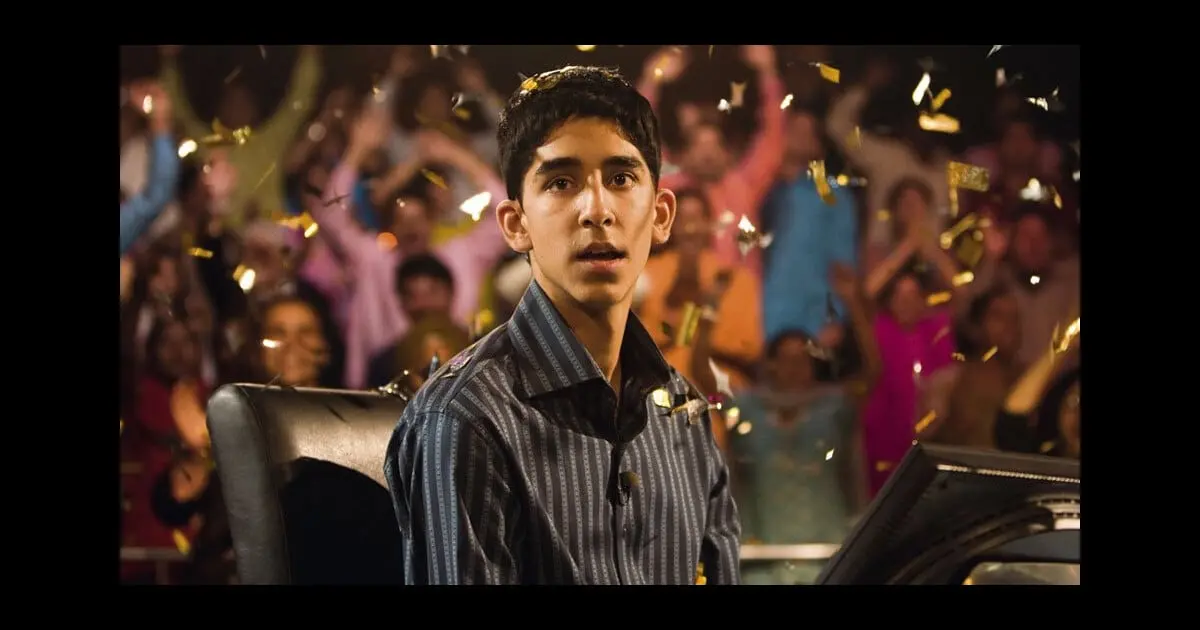
It has been over a decade since Dev Patel captivated audiences as Jamal Malik in Danny Boyle&039;s Slumdog Millionaire, a film that won eight Academy Awards and instantly made the young British actor a household name. As the film celebrates its 10th anniversary in France (January 14, 2009 release), Patel is a completely different person—both physically and professionally. Now 28, he has shed his boyish looks, bulked up, and emerged as a thoughtful, selective artist who has managed to avoid the pitfalls of early fame. This article delves into Patel&039;s evolution over the last ten years, examining his career choices, his personal growth, and his upcoming projects.
From Skins to Stardom: The Breakout That Changed Everything
Before he was a global star, Dev Patel was a shy teenager from Harrow, London, who landed a role in the first season of the British teen drama Skins in 2007. Playing Anwar Kharral, a Pakistani-British Muslim navigating adolescence, Patel showed natural charisma but had no formal training. His big break came when he auditioned for Slumdog Millionaire at 17. The film—a rags-to-riches tale set in Mumbai—required an actor who could convey innocence, determination, and vulnerability. Patel&039;s performance as Jamal, a boy from the slums who wins a game show and the love of his life, earned him critical acclaim and a BAFTA nomination for Best Actor.
The film&039;s success catapulted Patel into Hollywood, but he did not rush into blockbusters. Instead, he took time to choose roles that challenged him. Between 2009 and 2014, he was in a relationship with his co-star Freida Pinto, and the two were often in the spotlight. However, Patel remained grounded, focusing on his craft. He appeared in The Best Exotic Marigold Hotel (2011) and its sequel, proving he could handle comedic and dramatic beats alongside veteran actors like Judi Dench and Bill Nighy.
A Career Defined by Quality over Quantity
One of the most striking aspects of Patel&039;s career is his selectivity. Unlike many young actors who churn out multiple films per year, Patel has chosen projects that resonate with him. From 2012 to 2014, he starred in Aaron Sorkin&039;s HBO series The Newsroom as Neal Sampat, a tech-savvy blogger. The show earned Golden Globe nominations, and Patel held his own in Sorkin&039;s rapid-fire dialogue. While The Newsroom was not a ratings juggernaut, it solidified Patel&039;s reputation as a serious actor.
His most acclaimed role to date came in 2016 with Lion, based on the true story of Saroo Brierley, an Indian boy adopted by Australian parents who searches for his biological family via Google Earth. Patel played adult Saroo, delivering a performance that was both restrained and emotionally devastating. He earned an Oscar nomination for Best Supporting Actor and won a BAFTA in the same category. The role required Patel to master an Australian accent and convey deep longing—a far cry from the wide-eyed Jamal. Critics praised his maturity, noting how he had transformed from a supporting player into a leading man.
The Physical Transformation: From Skinny Teen to Buff Leading Man
Beyond his acting, Patel&039;s physical appearance has changed dramatically. In Slumdog Millionaire, he was lanky, almost fragile, with a youthful face. Ten years later, he is muscular, chiseled, and exudes confidence. The change became evident around 2015 when he started posting gym photos on social media. For Lion, he put on weight to appear more solid, but for his directorial debut Monkey Man, he underwent a rigorous training regimen to perform his own stunts. The transformation is a testament to his dedication—he wanted to embody the raw physicality of a street fighter. Interviews show that Patel now embraces his new look, saying it helped him approach roles with more assertiveness.
This evolution has not gone unnoticed by fans and media. Articles often contrast his early photographs with recent red-carpet appearances, marveling at his &039;glow-up.&039; But Patel himself downplays the superficial aspects, emphasizing that his priority remains the work, not the image. He has stated that he wants to break stereotypes about Indian actors in Hollywood, proving they can lead action films and dramas alike.
Stepping Behind the Camera: Monkey Man and Beyond
2019 marked a major milestone for Patel: he wrote, directed, and starred in Monkey Man, an action thriller set in India. The project, inspired by the Hindu monkey god Hanuman, follows an ex-convict who enters an underground fighting ring to take down a corrupt leader. Patel spent years developing the script, learning stunt choreography, and financing the film independently. The movie was initially set for a 2020 release but faced delays due to the pandemic; it eventually premiered in 2024 to positive reviews for its visceral action and Patel&039;s bold direction.
Monkey Man represents a new chapter in Patel&039;s career. He had always harbored ambitions to direct, and he immerses himself in every aspect of filmmaking. In interviews, he has spoken about the challenges of being both in front of and behind the camera, but also the liberation it brings. The film&039;s success has opened doors for him to helm larger projects, and he has expressed interest in directing more diverse stories, particularly ones that highlight underrepresented voices.
Personal Life and Future Prospects
After his split from Freida Pinto in 2014, Patel has kept his personal life relatively private. He has been linked to various co-stars but does not court tabloid attention. He remains close to his family and often credits his mother for pushing him into acting. Professionally, Patel is now in high demand. He is attached to several upcoming films, including a role in the sci-fi thriller The Wager and a potential sequel to Monkey Man. He has also voiced interest in returning to television for limited series.
What sets Patel apart is his careful navigation of fame. He has avoided the scandals that plague many child stars and has built a career on substance. He uses his platform to advocate for diversity in Hollywood, participating in panels and supporting initiatives for actors of color. As he enters his thirties, Patel stands as an example of how to transition from teen star to respected artist.
Reflections on a Decade of Growth
Looking back on the past ten years, it is clear that Dev Patel has not just changed physically—he has matured as a performer and a person. He has proven that he is more than the boy from the slums who won a million. His journey from Slumdog Millionaire to Monkey Man is a story of deliberate choices, hard work, and a refusal to be typecast. As he continues to evolve, fans eagerly await what he will do next. One thing is certain: Dev Patel is no longer the lanky teen we met in 2008—he is a force to be reckoned with.
Source: Purebreak News