

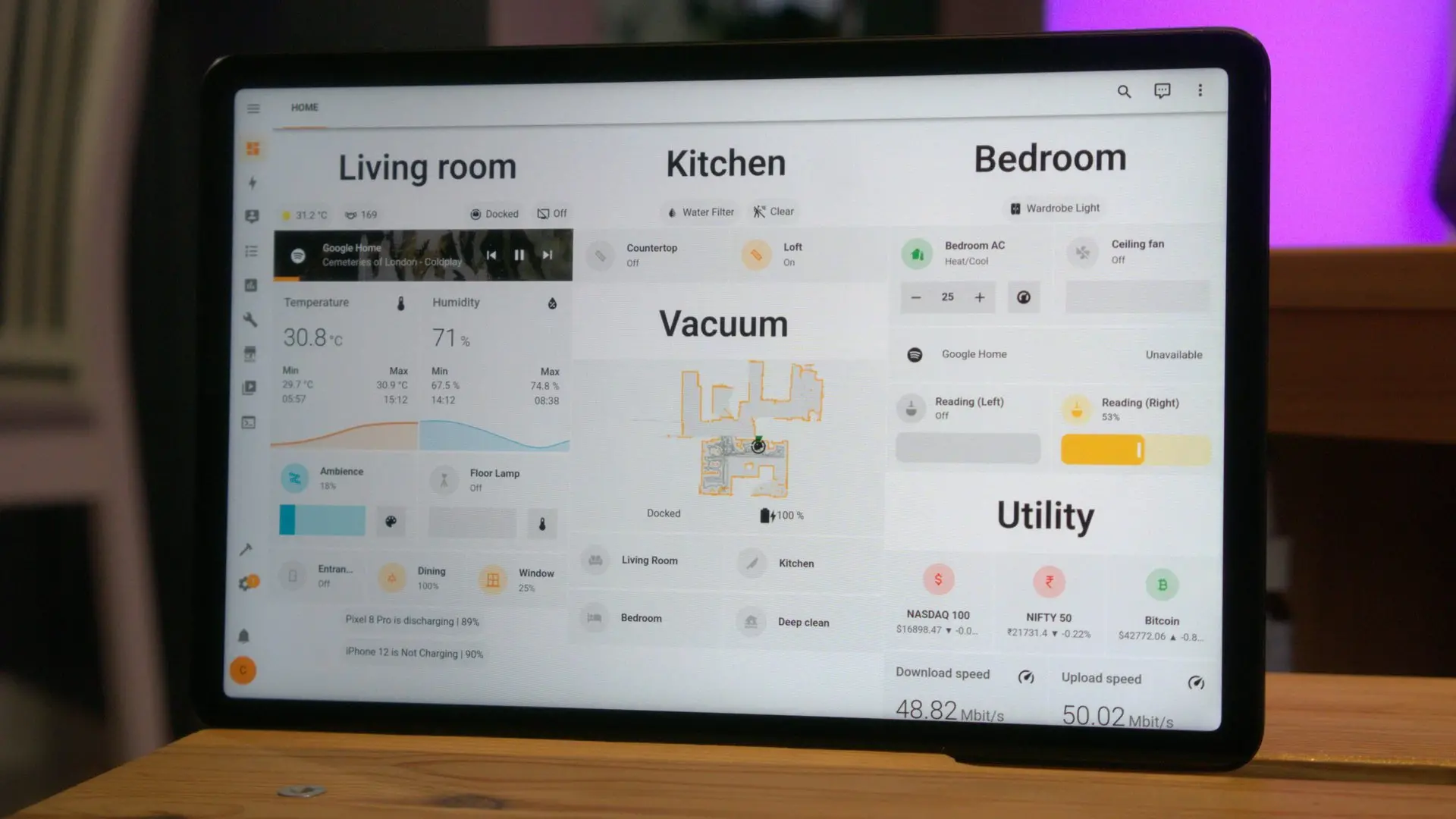
Home Assistant OS 18.0 is now available, bringing a host of improvements designed to reduce friction when setting up a smart home system. The update focuses on faster installations, better hardware support, and improved operational stability across a variety of devices, from Raspberry Pi boards to virtual machines.
What Is Home Assistant OS?
Home Assistant is an open-source platform that allows users to control and automate smart home devices from multiple manufacturers in a single interface. Home Assistant OS is the dedicated operating system that includes the Home Assistant Core application pre-installed. It provides a complete, appliance-like environment that can be deployed on single-board computers like the Raspberry Pi, on x86-64 mini PCs, or within virtual machines. By handling low-level system tasks, Home Assistant OS lets users focus on configuring their smart home automations without worrying about underlying hardware or software dependencies.
The OS has evolved significantly since its early days, when users often had to manually install dependencies and configure networking. Version 18.0 represents a major step forward in making the platform accessible to a broader audience, including those who may not be deeply technical.
Key Changes in Version 18.0
Linux Kernel Update to 6.18 LTS
The most substantial change in Home Assistant OS 18.0 is the move to the Linux 6.18 LTS kernel, up from Linux 6.12. This kernel version brings improved hardware support, particularly for newer network adapters, storage controllers, and USB devices. The long-term support designation means that the kernel will receive security and bug fixes for several years, reducing the need for major kernel upgrades in the near future. For Home Assistant users, this translates to fewer compatibility issues when adding new smart home hardware that relies on kernel drivers.
Refreshed Core Components
Alongside the kernel update, several core components have been upgraded. Docker has been updated to version 29.5.3, containerd to 2.2.4, and the build system now uses Buildroot 2025.02.14. These updates improve container runtime stability and security. Docker is essential for running Home Assistant add-ons, which extend functionality with services like Node-RED, Zigbee2MQTT, or ESPHome. A more reliable Docker engine means fewer unexpected add-on crashes. The Buildroot update also ensures that the OS is built with the latest toolchains, reducing vulnerabilities in the underlying embedded system.
Faster and Easier Installation
One of the most noticeable improvements for new users is the reduction in installation image size. The compressed images are now smaller, making them quicker to download and flash onto SD cards or SSDs. Once the system boots for the first time, it automatically expands the root filesystem to fill all available storage. Previously, users had to manually resize partitions or use command-line tools after initial boot. This change removes a common stumbling block for newcomers, especially those using larger SD cards or NVMe drives.
Improved Virtual Machine Images
For users deploying Home Assistant OS in virtual environments such as Proxmox, VirtualBox, or VMware, the new release comes with pre-configured images that allocate 32 GB of virtual disk space by default. Earlier versions often included smaller default disks (around 8 GB), forcing users to manually expand them before first boot to avoid storage shortages. With 32 GB pre-allocated, users can install Home Assistant and several add-ons without immediate disk management.
Smarter Memory Management
Home Assistant OS 18.0 revamps swap file handling to improve performance on devices with limited RAM. Previous versions automatically created a swap file equal to one-third of total memory. This simple heuristic worked well for many systems but could be suboptimal on devices with very small or very large RAM capacities. The new release uses a dynamic range: the default swap file is set between 1 GB and 4 GB, scaling based on available memory. For example, a Raspberry Pi 4 with 4 GB of RAM will get a 1.3 GB swap, while a system with 16 GB might get 4 GB. Users who have manually configured swap settings are unaffected. This change helps prevent out-of-memory conditions during heavy automation loads or when running multiple add-ons.
Raspberry Pi Bootloader Management
Raspberry Pi users now have the ability to check and update bootloader firmware directly from the Home Assistant OS command line using the rpi-eeprom-config tool. This eliminates the need to boot a separate Linux distribution or use the Raspberry Pi Imager to manage critical firmware updates. A future release of Home Assistant Core (2026.7) is expected to bring this functionality into the web interface, making it accessible to non-technical users. However, there is an important caveat: Raspberry Pi 5 owners must have bootloader firmware dated February 12, 2025 or newer before upgrading to OS 18.0. Systems with older firmware may experience display freezes during the boot process. The project recommends updating the bootloader before installing the upgrade.
Better First-Boot Experience
Initial setup has been refined to provide clearer feedback. During the first boot, a progress bar now shows the download and installation status of Home Assistant Core. Earlier versions left users unsure whether the system was doing background work or had stalled. Additionally, mDNS (Multicast DNS) announcements now happen earlier in the boot process. This allows mobile apps (such as the Home Assistant Companion app) to discover the device sooner, speeding up the initial pairing process. The change reduces the time between first power-on and seeing the device in the app.
Industry Context and Future Outlook
Home Assistant OS 18.0 arrives at a time when the smart home market is becoming more heterogeneous. With devices from dozens of manufacturers using various protocols (Zigbee, Z-Wave, Matter, Thread, Wi-Fi, Bluetooth), a unified platform like Home Assistant is increasingly valuable. The OS update addresses common pain points that have historically deterred casual users, such as complex installation steps, storage management, and firmware updates. By lowering the barrier to entry, the project hopes to attract a broader user base and facilitate the transition from proprietary hubs to open-source control.
The inclusion of Docker 29.5.3 and containerd 2.2.4 also hints at future improvements for add-on management. The Home Assistant Add-on ecosystem is one of the platform's key differentiators, and a stable container runtime is essential for adding third-party services securely. The update to Buildroot 2025.02.14 further aligns the project with the latest embedded Linux best practices, including improved support for cryptographic libraries and networking stacks.
Raspberry Pi bootloader management is a particularly welcome addition, as the Raspberry Pi 5's new RP1 chip and its associated firmware have been a source of early-adopter headaches. Being able to update the bootloader without external tools simplifies maintenance and increases reliability. The planned integration into the Home Assistant Core UI will eventually make this even more accessible.
Memory management improvements are also critical as users build more complex automations. A typical Home Assistant setup might include dozens of integrations, hundreds of entities, and several add-ons. Ensuring that the OS can gracefully handle memory pressure without resorting to heavy swapping or crashing is essential for 24/7 operation. The dynamic swap file approach is a pragmatic solution that balances responsiveness with stability.
The smaller installation images and automatic storage expansion are part of a broader trend toward zero-touch provisioning. Home Assistant aims to make the initial experience as close to a consumer appliance as possible, even though the underlying system is fully customizable. This approach has parallels with other Linux-based appliance projects such as Raspberry Pi OS Lite and OpenWrt, which also prioritize ease of deployment.
Looking ahead, the Home Assistant project continues to invest in its own operating system to provide a consistent and performant base for the Core software. While some users prefer to install Home Assistant on top of generic Linux distributions (like Debian or Ubuntu) or via Docker on other OSes, the official OS remains the recommended path for most users due to its tight integration and optimized configuration. Version 18.0 strengthens that recommendation by addressing long-standing pain points without sacrificing flexibility.
For existing users, the update is available through the standard system update process. Those running an older version of Home Assistant OS can upgrade via the supervisor interface or command line. As always, the project recommends backing up configurations before performing major version upgrades, especially on systems with custom bootloader or firmware settings.
Source: Android Authority News