

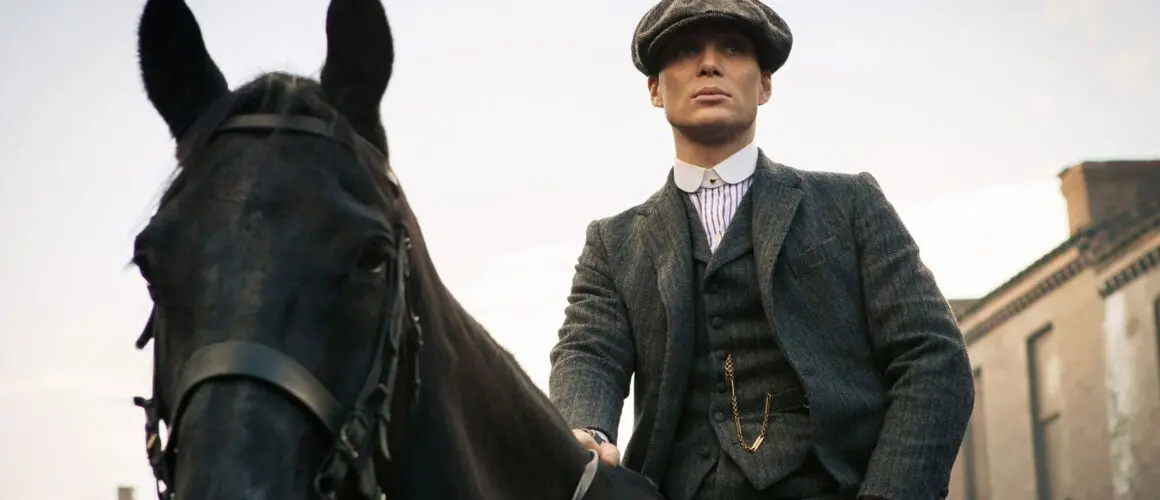
Introduction to Peaky Blinders Season 1
Peaky Blinders Season 1 catapults viewers into the gritty, smoke-filled streets of Birmingham in 1919. Created by Steven Knight, the show follows Thomas Shelby (Cillian Murphy), a former soldier turned crime boss, as he leads his family's gang—the Peaky Blinders—through a world of illegal betting, protection rackets, and violent power struggles. The season, consisting of six episodes, first aired in 2013 and quickly became a cultural phenomenon, praised for its atmospheric cinematography, powerful performances, and anachronistic soundtrack featuring artists like Nick Cave and PJ Harvey.
Historical Context and Setting
The series is set in the aftermath of World War I, a period of social and economic upheaval in Britain. Birmingham, an industrial hub, is depicted as a city of stark contrasts: wealthy elites live alongside impoverished workers, and the return of traumatized soldiers fuels both desperation and ambition. The Peaky Blinders, a real-life urban youth gang from the late 19th century, are reimagined here as a sophisticated criminal enterprise. The show meticulously recreates the era—from the narrow cobblestone alleys to the sprawling factories and smoky pubs—using a muted color palette that enhances the somber mood.
Knight drew inspiration from his own family history and Birmingham’s past. The depiction of post-war trauma is central: Tommy Shelby suffers from nightmares and hypervigilance, reflecting the psychological scars of trench warfare. This historical realism grounds the show, making its criminal exploits feel authentic and urgent.
Plot Summary: The Rise of Tommy Shelby
The season opens with Tommy discovering a cache of stolen weapons intended for the British army. This discovery sets off a chain of events that brings him into conflict with Chester Campbell (Sam Neill), a ruthless police inspector sent from Belfast to retrieve the guns. Campbell, backed by Winston Churchill, represents the state’s determination to crush organized crime. Meanwhile, Tommy must navigate rival gangs, including the Irish Republican Army (IRA) and the Lee family of gypsies, while managing his own volatile family—his impulsive older brother Arthur (Paul Anderson), his cunning aunt Polly (Helen McCrory), and his younger brother John (Joe Cole).
A subplot involves Grace Burgess (Annabelle Wallis), a mysterious barmaid who is actually an undercover agent working for Campbell. Her relationship with Tommy becomes a central emotional thread, exploring themes of trust, betrayal, and love. As the season progresses, Tommy’s charisma and tactical brilliance are tested as he juggles police surveillance, family loyalty, and a crumbling empire.
Episode Breakdown
Episode 1 sets the stage: Tommy’s gang controls Birmingham’s underground, but the discovery of the weapons puts them in Campbell’s crosshairs. The episode introduces key characters and the show’s visual style—tight close-ups, slow-motion violence, and a haunting score. Episode 2 sees Tommy forging an alliance with the Lee clan while Grace begins her espionage. The tension escalates when Polly discovers Ada’s pregnancy, forcing family secrets to surface. Episode 3 deepens the conflict as Tommy partners with Billy Kimber, a rival gangster, while the IRA maneuvers for the weapons. Episode 4 focuses on family dynamics: John’s wedding plans, an attack on Shelby betting operations, and Freddy’s revolutionary activities. Episode 5 brings betrayal to the forefront—Grace reveals the weapons’ location to Campbell, leading to a raid. Arthur Senior, the estranged father, returns, adding emotional complexity. Episode 6 climaxes in a violent showdown between the Shelbys and Kimber, culminating in Tommy’s strategic victory. Campbell’s personal despair over Grace’s rejection humanizes him, while Tommy solidifies his control.
Cast and Performances
Cillian Murphy delivers a tour de force performance as Tommy Shelby. His gaunt face, piercing blue eyes, and layered vulnerability make him both menacing and sympathetic. Murphy, known for Inception and 28 Days Later, brings a quiet intensity that anchors the series. Sam Neill is perfectly cast as the conflicted Inspector Campbell, oscillating between righteous fury and tragic longing. Helen McCrory as Polly Gray commands every scene she is in—her character is the emotional and practical backbone of the family. Paul Anderson embodies Arthur’s reckless bravado, while Sophie Rundle (Ada) and Joe Cole (John) round out the supporting cast with depth. Annabelle Wallis’s Grace serves as the catalyst for Tommy’s emotional awakening, and her chemistry with Murphy is palpable.
The ensemble also includes Ned Dennehy (Charlie Strong), Iddo Goldberg (Freddy Thorne), and a memorable cameo by Benjamin Zephaniah as Jeremiah Jesus. The directors—Otto Bathurst, Tom Harper, and Colm McCarthy—collaborate to create a cohesive visual language, using slow-motion, fluid camera movements, and shadowy lighting.
Critical Reception and Cultural Impact
Peaky Blinders Season 1 was met with widespread acclaim. Critics praised its cinematic quality, compelling narrative, and Murphy’s star-making turn. The show holds an 86% approval rating on Rotten Tomatoes, with the consensus calling it “gripping, stylish, and superbly acted.” Audiences especially responded to the modern soundtrack—songs by Nick Cave, Arctic Monkeys, and The White Stripes—which contrasts with the period setting but enhances its emotional resonance.
The series quickly garnered a devoted fanbase, spawning countless memes, fashion trends (the flat cap and razor-blade-laden hat), and even influencing popular culture. It has been credited with revitalizing interest in the interwar period and Birmingham’s history. The show’s success led to five more seasons and a feature film currently in development. Season 1 established the template: a blend of gangster drama, family saga, and historical fiction, all wrapped in a hypnotic aesthetic.
Musical and Visual Excellence
The soundtrack, curated by the director and music supervisor, is integral to the show’s identity. Songs are not just background noise—they often punctuate key scenes, adding layers of meaning. For example, “Red Right Hand” by Nick Cave and the Bad Seeds serves as the series’ anthem, playing over Tommy’s slow-motion walks. The visual palette, desaturated and often tinted sepia, evokes old photographs, while the costumes—tailored suits, waistcoats, and caps—are meticulously accurate. The production design, by Grant Montgomery, recreates 1919 Birmingham with stunning authenticity, using locations in Liverpool and Yorkshire.
Thematic Depth
Beyond the crime drama, Season 1 explores themes of trauma, class struggle, and loyalty. Tommy embodies the traumatized veteran struggling to adapt to civilian life. His brother Arthur also suffers from PTSD, finding solace in violence. The show critiques the class system: the Shelbys, despite their wealth, remain outsiders. The police and government view them as vermin, while the upper classes exploit them. Gender roles are also examined—Polly wields significant power in a male-dominated world, and Ada challenges patriarchal norms. The season ends with Tommy achieving a temporary victory, but the cost is high—betrayal, death, and moral compromise.
Production and Filming
Filming took place primarily in Birmingham and the surrounding area, enhancing authenticity. The budget was modest by TV standards, but the creative team used it wisely, focusing on character and atmosphere. Steven Knight wrote every episode, ensuring a consistent voice. The series was commissioned by BBC Two, later gaining international fame through Netflix distribution. Season 1’s success paved the way for bigger budgets and more ambitious storylines in subsequent seasons.
In terms of technical achievements, the show employs a distinct color grading technique—cool blues and warm ambers—to differentiate interior and exterior scenes. The editors, led by Ben Lester, maintain a rhythmic pace, alternating between tense silence and explosive action. The sound design, featuring the clang of factory machinery and the click of Tommy’s pocket watch, immerses viewers in the environment.
Why Season 1 Matters
Season 1 of Peaky Blinders is not just an outstanding introduction—it is a complete, satisfying narrative arc. It hooks viewers with its style and substance, leaving them hungry for more. The season’s success is a testament to strong writing, direction, and acting. It redefined the British gangster genre, blending historical drama with modern sensibilities. For newcomers, starting here is essential; for fans, revisiting the season reveals the seeds of later conflicts and character developments. The show’s legacy is secured by its unforgettable characters, especially Tommy Shelby, whose journey from soldier to kingpin began in these six episodes.
The impact on British television is undeniable—Peaky Blinders inspired a wave of period crime dramas, but none have matched its unique alchemy. Its influence extends to fashion, music, and even tourism (Birmingham now offers Peaky Blinders tours). The first season remains a masterclass in storytelling, proving that television can be as ambitious and artistic as cinema.
Source: Programme Tv News