

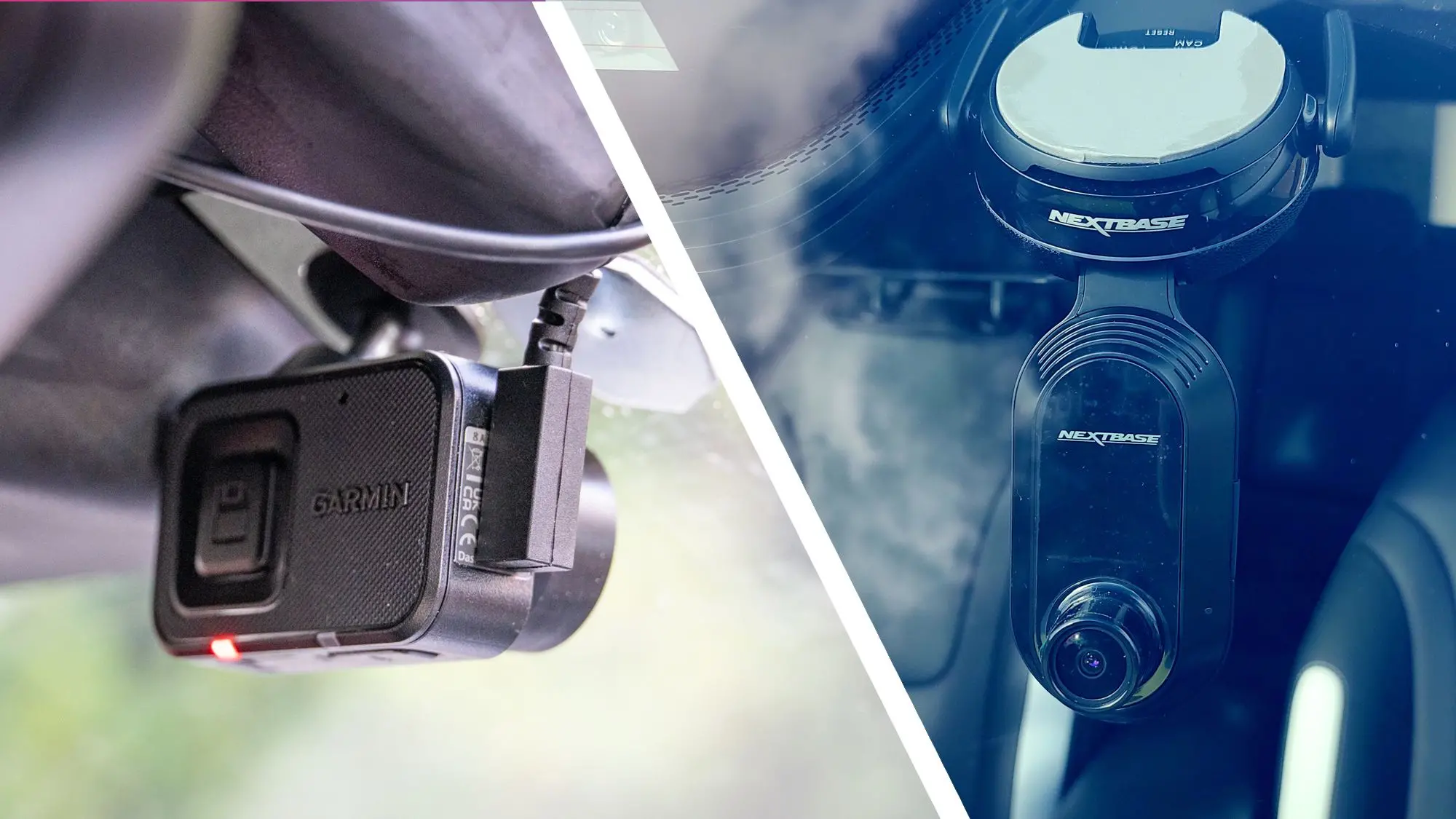
Dashboard cameras have become an essential accessory for modern drivers. They provide crucial evidence in accidents, discourage theft, and even capture scenic drives. With the market flooded with options from Garmin, Nextbase, 70mai, and others, choosing the right dash cam can be overwhelming. We’ve tested dozens of models on real roads, in various lighting conditions, and at multiple price points to bring you our definitive list of the best dash cams available today.
How We Test Dash Cams
Our evaluation process simulates real-world driving scenarios. We test each camera during daytime and nighttime drives on highways, city streets, and rural roads. Key metrics include video clarity, field of view, frame rate, low-light performance, storage capacity, GPS accuracy, and ease of installation. We also assess additional features like parking mode, lane departure warnings, and voice control. Every dash cam is rated for reliability, build quality, and customer support.
Top Pick: Garmin Dash Cam 67W
Garmin’s Dash Cam 67W consistently delivered stunning 1440p video with excellent exposure management. Its compact, wedge-shaped design fits discreetly behind the rearview mirror. The 180-degree field of view captures almost everything without fisheye distortion. GPS and speed camera alerts come built-in, and the Garmin Drive app allows quick clip sharing. Parking mode with Garmin’s constant power cable ensures round-the-clock monitoring. The only downside is the lack of a rear camera option, though Garmin offers a separate model for that.
- Video resolution: 1440p (2560x1440)
- Field of view: 180 degrees
- GPS: Yes
- Storage: microSD up to 512GB
- Price: around $200
Best Dual-Channel: Nextbase 622GW
For drivers who want front and rear coverage, the Nextbase 622GW leads the pack. It records 4K front footage and 1080p rear footage simultaneously, with Sony’s Starvis sensor delivering exceptional low-light results. The touchscreen interface is intuitive, and the magnetic mount makes removal effortless. Intelligent parking mode uses impact and motion detection. Built-in GPS logs speed and location, while the What3Words integration provides precise accident location coordinates. It’s pricier than single-cam rivals, but the comprehensive feature set justifies the cost.
- Front resolution: 4K (3840x2160)
- Rear resolution: 1080p
- Field of view: 140 degrees front
- GPS: Yes
- Storage: microSD up to 128GB
- Price: around $300
Best Value: 70mai A510
The 70mai A510 offers incredible bang for your buck. It records 2K QHD video with a 150-degree lens, and the built-in Sony IMX675 sensor provides crisp footage even at night. The optional rear camera adds 1080p coverage for under $50 total. The mobile app is fast and easy to use for downloading clips and adjusting settings. Supercapacitor technology makes it resistant to heat, a common issue with battery-powered cams. While it lacks GPS (optional external module), the core recording quality rivals premium models at half the price.
- Video resolution: 2K (2560x1440)
- Field of view: 150 degrees
- GPS: Optional external module
- Storage: microSD up to 256GB
- Price: around $80
Premium Choice: Garmin Dash Cam Mini 3
If size matters, the Garmin Dash Cam Mini 3 is almost invisible behind the mirror. Despite its tiny footprint, it records 1080p video with HDR that adapts well to bright and dark areas. It integrates seamlessly with the Garmin Drive app and pairs with other Garmin cameras for multi-camera setups. The constant power cable (sold separately) enables true parking surveillance. The lack of a display means you must use your phone for playback, but the compact design appeals to minimalists. It’s also one of the least expensive Garmin options.
- Video resolution: 1080p HDR
- Field of view: 140 degrees
- GPS: No (uses phone GPS via app)
- Storage: microSD up to 512GB
- Price: around $130
Tech Details and Considerations
Most modern dash cams use CMOS sensors from Sony, OV, or other manufacturers. Higher resolution doesn’t always equal better night vision; sensor size and pixel quality matter more. A lens aperture of f/1.8 or wider usually improves low-light capture. Look for cameras with Supercapacitors instead of lithium batteries if you park in hot climates – they last longer and are safer. GPS is valuable for verifying speed and location, but models without it still record useful footage. Cloud connectivity is becoming common: Garmin’s Vault and Nextbase’s cloud services let you remotely view and save clips, though often requiring a subscription.
Installation Tips
Installing a dash cam is straightforward with the included adhesive mount. Route the cable along the headliner, down the A-pillar, and under the dashboard to the 12V socket. Hardwiring using a fuse tap (available as an accessory) keeps the camera on all the time for parking mode – this is highly recommended if you park on the street. Avoid placing the cam in the driver’s line of sight; check local laws, as some regions prohibit obstructions on the windshield. Ensure the lens is clean and free of reflections from the dashboard.
FAQ: Common Dash Cam Questions
Do I need 4K? 4K provides sharper details like number plates, but it also requires more storage and may struggle in low light compared to a good 1080p or 2K sensor. 2K is a sweet spot for most users.
How much storage do I need? A 64GB microSD card holds about 8 hours of 1080p footage at 30fps. Loop recording overwrites old files, but use a high endurance card designed for constant writing.
Should I get a rear camera? If you’re concerned about rear-end collisions or want to monitor your parked car, a dual-channel system is valuable. Otherwise, a single front-facing cam is sufficient.
Are there subscription costs? Most dash cams work without subscriptions. Cloud storage and advanced safety alerts (e.g., live view, driver assistance) may require a monthly fee.
Our Testing Verdict
After extensive real-world testing, the Garmin Dash Cam 67W stands out as the best overall for its blend of video quality, features, and reliability. The Nextbase 622GW is the ultimate choice for front-and-rear coverage, while the 70mai A510 offers exceptional value. For discreet installation, the Garmin Mini 3 is hard to beat. Each model has its strengths, so consider your priorities: resolution, parking mode, ease of use, or budget. No matter which you choose, a dash cam is a wise investment for every driver’s peace of mind.
Source: TechRadar News