

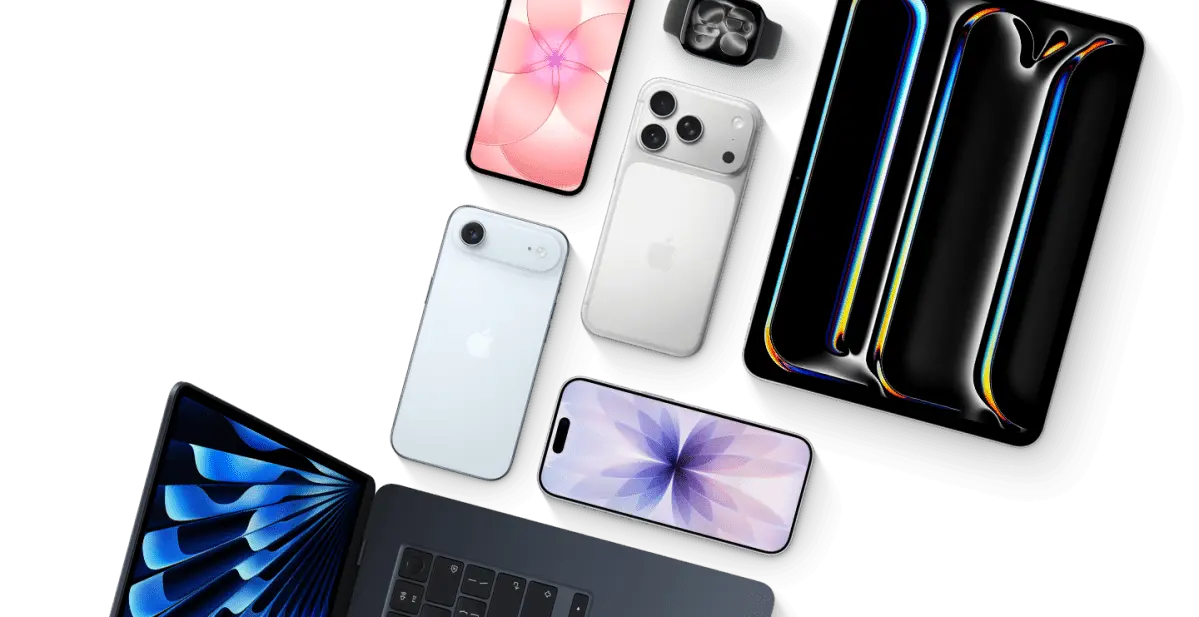
Apple has launched a new Upgrade program that allows customers to lease select models of iPhones, iPads, Macs, and Watches with a relatively low monthly payment. On the surface, it seems like an amazing deal: you pay less than the full device price over the lease term, and in some cases you pay hundreds less than buying outright. But as with any lease, there are catches that can cost you money if you're not careful.
The program works like this: You sign a contract with Klarna (the buy now, pay later service) to make fixed monthly payments over one to three years. At the end of the lease, you have three options: buy the device by paying the remaining balance, return the device and walk away, or upgrade to a new device and start a new lease. The monthly payments are designed so that you never pay more than the device's full retail price—and sometimes less. For example, a two-year lease on an iPhone Air costs $695.76, while the retail price is $999, so you save over $300 if you don't buy it at the end.
But there are several critical caveats. First, the lease is a loan from Klarna, and like any loan, there are consequences for missed payments. Klarna says if you miss three payments in a row, they will terminate the lease and demand the full outstanding balance. If you cannot pay, the debt may be sent to collections, which can hurt your credit score. Apple confirmed that they will not restrict device functionality for missed payments, but the financial risk remains.
Second, you are responsible for any damage to the device during the lease. Klarna owns the device until you buy it, and they charge a fee if it is not returned in 'good condition.' Apple encourages you to buy an AppleCare subscription (starting at $9.99/month for iPhones) to cover repairs, but that adds to your monthly cost. If you don't have AppleCare and the device is damaged, you could face a large repair bill or a penalty when you return it.
Third, there is an early termination fee if you want to return the device before the lease ends or upgrade early. Apple also notes that you have a six-month window after the lease ends to decide what to do—upgrade, return, or buy—but you still pay the monthly fee during that period. This can make the deal less attractive if you're indecisive.
Perhaps the biggest catch is the lost opportunity cost if you choose to upgrade. When you lease a device for two years and then upgrade to the next model, you forfeit any resale or trade-in value you could have earned if you had bought the device outright. iPhones typically retain about 65% of their value after two years, meaning a used iPhone 17 could sell for around $520. Over the two-year lease you paid $551.76, so your effective cost of using the phone would be just $31.76 if you sold it. But if you upgrade through the program, you get nothing back—you've essentially paid full price to borrow the phone.
Additionally, the program encourages a cycle of endless payments. If you keep upgrading each time your lease ends, you'll always have a monthly bill for a device. Over many years, this can cost more than buying and reselling yourself. The program is best suited for people who cannot afford the upfront cost of a new device and want predictable, low payments.
Another risk is the use of Klarna. BNPL services have been criticized for encouraging overspending and debt. According to LendingTree, nearly half of all BNPL users made a late payment in 2025. Klarna also uses customer data to sell personalized ads, raising privacy concerns.
In summary, the Apple Upgrade program is not a free lunch. It can be a convenient alternative for those who want to avoid a large upfront payment and are disciplined about making payments on time. But if you value flexibility, the ability to sell your old device, or want to avoid long-term debt, you might be better off buying outright or using a credit card with 0% APR financing. Always read the fine print before signing any lease agreement.
Source: The Verge News