

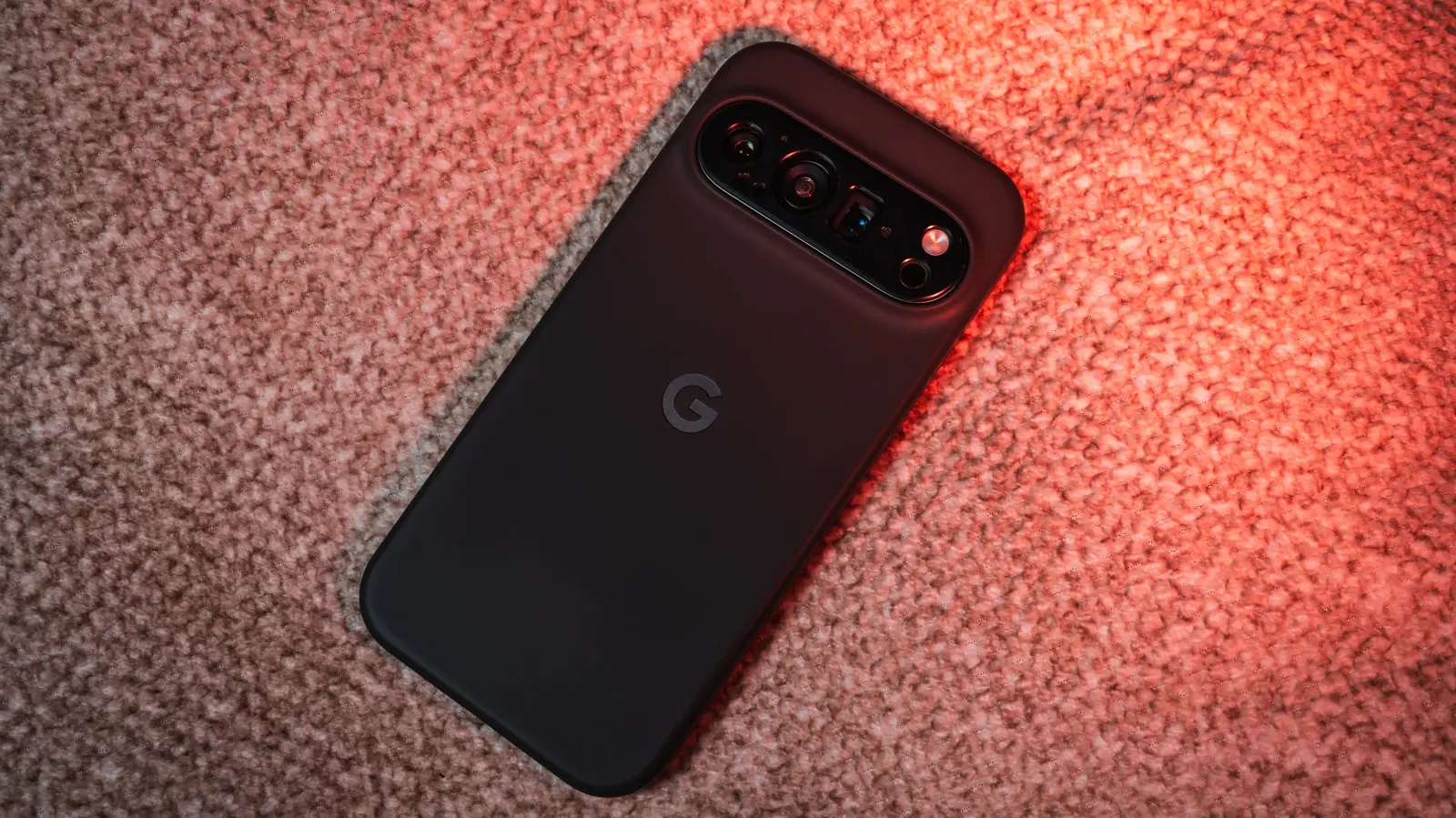
Google's Pixel series has carved out a reputation for delivering a clean Android experience, timely software updates, and computational photography that rivals the iPhone and Samsung's top-tier flagships. The Pixel 10 and 10 Pro, with their flat screens, polished or stain-finished aluminum frames, and distinctive camera bars, continue this design legacy. Additional perks include up to seven years of Android updates, regular Pixel Drops, and integrated on-device AI features like Gemini for enhanced call screening and faster transcriptions.
However, Pixel phones are not always the best value. The in-house Tensor G5 chip in the Pixel 10 Pro lags behind competitors in raw performance, and battery life has been a common complaint among users. Fortunately, the Android market offers numerous alternatives that provide equal or superior features at lower prices. Here are five cheaper smartphones that outshine the Google Pixel 10 Pro in value.
Google Pixel 10a
If you love the Pixel experience but want to save money, the Google Pixel 10a is an excellent choice. Priced at $500 for the 128GB model, it includes a 120Hz OLED display with 3,000 nits peak brightness, matching the Pixel 10 Pro's screen size at 6.3 inches (though with slightly thicker bezels). It runs on last year's Tensor G4 chip with 8GB of RAM, offering solid everyday performance.
Camera compromises include a smaller main sensor, no 5x telephoto lens, and a 13MP ultrawide versus the Pro's 48MP. However, the software experience is nearly identical, with seven years of OS updates and wireless charging for its 5,100mAh battery. Pixelsnap (Google's MagSafe-like feature) is absent, but overall, the 10a delivers most flagship features for half the price.
Samsung Galaxy S26
Samsung's base Galaxy S26 starts at $900 – $100 less than the Pixel 10 Pro – and comes with 256GB of storage by default, double the Pixel's base option. This is crucial for users who shoot 4K video, as file sizes grow quickly. The phone is powered by Qualcomm's Snapdragon 8 Elite Gen 5, which in AnTuTu benchmarks outperforms the Tensor G5 by up to 2.7 times, making it far better for gaming and heavy workloads.
While day-to-day differences may be subtle for average users, the S26 handles console-quality mobile games like "Alien Isolation" with ease. Samsung also promises seven years of Android updates and its feature-rich One UI, complete with Galaxy AI that competes directly with Pixel's AI suite. For those prioritizing raw power and future-proof storage, the Galaxy S26 is a compelling alternative.
OnePlus 15
OnePlus continues its tradition of performance-focused phones at aggressive prices. The OnePlus 15 starts at $900 for 12GB RAM and 256GB UFS 4.1 storage, with a $1,000 variant offering 16GB RAM and 512GB – still less than the Pixel 10 Pro's base price. Its 6.78-inch AMOLED display supports up to 165Hz refresh rates in compatible apps, Dolby Vision, HDR10+, and a 3,200Hz touch sampling rate.
The Snapdragon 8 Elite Gen 5 chip ensures top-tier performance, rivaling dedicated gaming phones. The 50MP triple camera cluster captures excellent photos and videos up to 8K 30fps or 4K 120fps. Most impressive is the 7,300mAh silicon-carbon battery, which, combined with OxygenOS's aggressive optimization, lasts well over a day on a single charge. This easily dwarfs the Pixel 10 Pro's endurance.
Google Pixel 10
For those who want the full Pixel experience without the Pro price tag, the regular Google Pixel 10 is a sweet spot. At $800 (128GB), it shares the same Tensor G5 chip as the Pro, though with 12GB RAM instead of 16GB. It features a 6.3-inch OLED 120Hz display, Gorilla Glass Victus 2, and an IP68 rating – identical to the Pro. The triple-camera system includes a 5x telephoto lens, albeit with smaller sensors than the Pro. Design-wise, it's nearly indistinguishable, with some users even favoring the matte aluminum frame over the Pro's polished finish.
Software support matches the Pro: seven Android version upgrades, Pixel Drops, and full AI features, including Pixelsnap compatibility for MagSafe accessories. As long as you can accept minor camera compromises, the Pixel 10 offers the same core experience at a $200 discount.
RedMagic 11 Air
Gamers on a budget should look past the Pixel 10 Pro and consider the RedMagic 11 Air, priced at just $530. It packs a Snapdragon 8 Elite (slightly older than the Gen 5 but still far faster than the Tensor G5), 12GB RAM, and 256GB storage. Its standout feature is a notchless, full-screen 144Hz AMOLED display with a 2,592Hz touch sampling rate – ideal for competitive gaming. The under-display front camera sacrifices image quality, but gamers often accept that trade-off.
The phone houses a 7,000mAh silicon-carbon battery with 80W wired charging. However, software support is limited: only two major Android updates and three years of security patches. If you need more power, the RedMagic 11S Pro offers the latest Snapdragon 8 Elite Gen 5, a slightly larger battery, and wireless charging, yet still costs less than the Pixel 10 Pro. Both models provide exceptional value for gamers who prioritize performance and battery life over camera versatility or long-term software support.
Ultimately, the Android ecosystem is rich with alternatives that challenge Google's flagship on value. Whether you prioritize battery life (OnePlus 15), raw performance (Samsung S26 or RedMagic), or staying within the Pixel family (Pixel 10 or 10a), there's a phone that offers a better bang for your buck than the Pixel 10 Pro.
Source: SlashGear News