

Amazon attracted about $126 billion (£94 billion) in peak demand for its bond sale on Tuesday, according to reports, making it one of the largest corporate debt offerings in history. The overwhelming interest underscores continued strong appetite for debt from major technology companies, even as broader economic uncertainty persists. This latest sale follows similar moves by rivals Oracle, which drew $129 billion in orders in February, and Meta, which secured $125 billion last October.
The bond sale is part of Amazon's broader strategy to finance massive capital expenditures, particularly in artificial intelligence (AI) infrastructure. The company plans to spend an estimated $200 billion on capital expenditures this year, with a significant portion allocated to AI data centers, custom AI chips, and related technologies. This figure surpasses the AI investment plans of both Google and Microsoft, reflecting Amazon's aggressive push to dominate the AI landscape.
Amazon is offering as many as 11 tranches on the US high-grade debt market, with maturities ranging from two to 50 years. Additionally, the company is marketing an eight-part euro-denominated bond sale this week. This marks Amazon's first major bond issuance since raising $15 billion in November 2023, its first US bond sale in three years at that time. Meanwhile, Google parent Alphabet raised over $30 billion in debt across dollar, sterling, and Swiss franc denominations last month, highlighting the industry-wide reliance on debt markets.
Massive AI Investment Plans
The announcement of Amazon's $200 billion capital expenditure plan came in February, causing the company's shares to dip as investors weighed the scale of spending against the need for clearer returns. Tech companies have faced increasing scrutiny from investors who are demanding more evidence that massive AI investments will yield profitable outcomes. Despite these concerns, Amazon CEO Andy Jassy remains steadfast in his commitment to AI leadership.
“We’re going to invest to be the leader in this space,” Jassy told investors during a company earnings call. He justified the spending by outlining key areas of focus, including custom AI chips designed to optimize machine learning workloads, robotics for logistics and warehouse automation, and low Earth orbit satellites through Project Kuiper, which aims to provide broadband internet globally. These initiatives are central to Amazon's long-term strategy to integrate AI across its vast ecosystem, from e-commerce and cloud computing to logistics and consumer devices.
Corporate Debt Market Dynamics
The surge in corporate bond offerings from tech giants reflects a broader trend of companies leveraging favorable debt conditions to fund ambitious capital projects. Despite rising interest rates over the past two years, demand for high-grade corporate debt has remained strong, driven by institutional investors seeking relatively safe yields. Amazon's bond sale, with its robust demand, is a testament to the company's strong credit profile—rated A1 by Moody's and AA- by S&P—as well as investor confidence in its ability to generate future cash flows.
Historically, tech companies have relied more on internal cash reserves and equity financing, but the sheer scale of AI infrastructure requirements has pushed them to explore debt markets. Data centers, for instance, require billions of dollars in upfront investment for real estate, cooling systems, and specialized hardware like graphics processing units (GPUs). According to industry analysts, global spending on AI data centers could exceed $500 billion by 2027, with Amazon, Microsoft, Google, and Meta accounting for a significant share.
Key Facts from the Bond Sale
- Peak demand: Amazon's bond sale attracted $126 billion in orders, ranking among the largest corporate bond offerings ever.
- Capital expenditure: Amazon plans to invest $200 billion in capital expenditures in 2025, primarily for AI infrastructure.
- Bond structure: The US offering includes up to 11 tranches with maturities from 2 to 50 years.
- Euro-denominated tranches: An eight-part euro-denominated bond sale is also being marketed this week.
- Previous issuances: Amazon raised $15 billion in November 2023 in its first US bond sale in three years.
Comparative AI Spending
Amazon's $200 billion capital expenditure plan is higher than similar commitments from other tech giants. Alphabet (Google) announced around $75 billion in capital spending for 2025, while Microsoft has projected approximately $80 billion. However, these figures include non-AI investments, and the exact allocation to AI varies. For Amazon, the focus on custom AI chips—such as the Trainium and Inferentia processors—is a key differentiator, as it reduces reliance on external suppliers like Nvidia and may lower long-term costs.
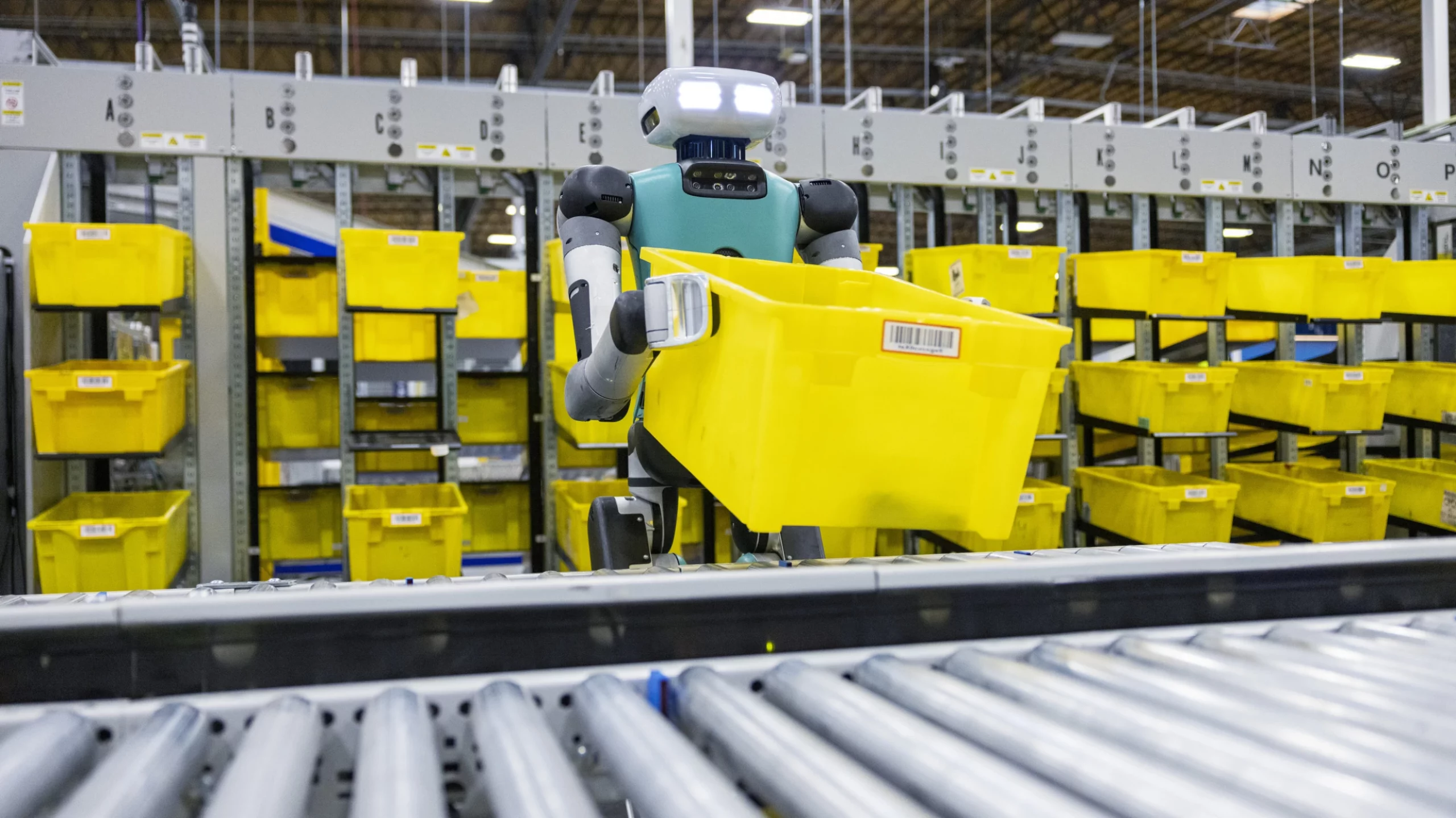
In addition to chips, Amazon is investing heavily in robotics to automate its fulfillment centers. The company has deployed over 750,000 robots worldwide, and new AI-powered systems are being developed to improve package handling, inventory management, and last-mile delivery. Project Kuiper, meanwhile, represents a $10 billion initiative to launch over 3,000 satellites into low Earth orbit, aiming to provide high-speed internet to underserved areas and rival Starlink from SpaceX.
Challenges and Investor Sentiment
Despite the ambitious plans, Amazon and other tech companies face challenges in demonstrating the near-term profitability of AI investments. The market has grown more cautious after the initial AI hype of 2023-2024, with investors looking for concrete revenue streams from AI applications. Amazon's cloud division, AWS, has been a leader in offering AI services to enterprises, but competition from Microsoft Azure and Google Cloud is intense. Additionally, regulatory scrutiny over data privacy, antitrust practices, and environmental impacts could pose risks.
Nevertheless, Amazon's strong balance sheet and diversified business model provide resilience. The company generated over $50 billion in free cash flow in the trailing twelve months, giving it flexibility to absorb short-term losses from AI infrastructure. CEO Andy Jassy has emphasized that the spending is a strategic necessity. "AI is going to be the most transformational technology of our lifetimes," he noted in a recent interview. "We intend to be at the forefront."
The bond sale's success also reflects broader market confidence in Amazon's long-term growth prospects. Institutional investors, pension funds, and insurance companies snapped up the bonds, attracted by competitive yields and Amazon's track record. The 50-year tranche, in particular, saw strong demand, indicating buyers are betting on Amazon's stability for decades to come.
Impact on the Tech Industry
Amazon's massive debt issuance is likely to influence other companies considering similar moves. The tech sector's reliance on debt for capital-intensive projects could reshape corporate finance strategies, especially if interest rates remain volatile. Moreover, the scale of AI investment is driving consolidation among chipmakers, with companies like Nvidia, AMD, and Intel vying for contracts. Amazon's custom chip efforts could disrupt this market, potentially leading to more specialized hardware and lower prices for cloud customers.
As Amazon continues to expand its AI capabilities, it is also ramping up hiring for AI researchers, engineers, and data scientists. The company has opened new AI research centers in Europe and Asia, and its Alexa virtual assistant is being revamped with generative AI features. The long-term vision, Jassy hinted, includes integrating AI into every Amazon product—from Alexa to AWS to logistics—creating a seamless ecosystem that enhances user experience and operational efficiency.
The bond market's enthusiastic response signals that investors are willing to back Amazon's AI ambitions, at least for now. However, the true test will come in the next few years as these investments begin to generate tangible returns. If successful, Amazon could cement its position as the dominant player in AI infrastructure and services, reshaping the technology landscape for years to come.
Source: Silicon UK News