

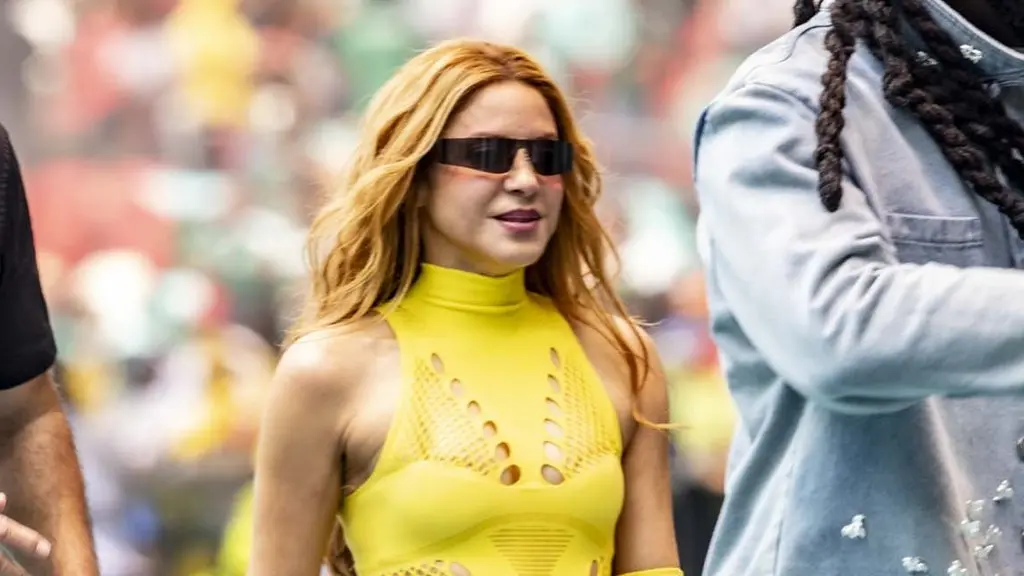
The FIFA World Cup 2026 officially began with a spectacular opening ceremony at the legendary Estadio Azteca in Mexico City on Thursday, June 11, 2026. The event, which set the tone for the world's biggest football tournament, was headlined by Colombian superstar Shakira and Nigerian Grammy-winner Burna Boy. Their high-energy performance of the tournament's official song, "Dai Dai," electrified the crowd of over 80,000 fans and a global television audience.
Shakira, no stranger to World Cup stages, previously performed "Waka Waka (This Time for Africa)" at the 2010 FIFA World Cup in South Africa, which became one of the best-selling World Cup anthems of all time. This year, she teamed up with Burna Boy, whose unique fusion of Afrobeat, dancehall, and pop has made him a global phenomenon. Together, they delivered a dynamic rendition of "Dai Dai," accompanied by dozens of dancers in colorful traditional and modern attire. The performance culminated in plumes of red and green smoke—the colors of the Mexican flag—bursting from the stadium roof, a visual homage to the host nation.
The ceremony also featured an impressive lineup of artists from across the Americas and beyond. Mexican rock legends Maná took the stage, along with pop stars Belinda and Lila Downs, Colombian reggaeton icon J Balvin, and Venezuelan singer Danny Ocean. The official FIFA World Cup 2026 anthem, "DNA (More Than a Game)," was performed by Italian tenor Andrea Bocelli, Korean-American singer Ejae, and French DJ David Guetta. The anthem's soaring melodies and electronic beats captured the spirit of unity and competition that defines the World Cup.
Before the opening match between Mexico and South Africa, Mexican singer Alejandro Fernández delivered a stirring rendition of the Mexican national anthem, while South African singer Tyla performed her country's anthem with equal passion. The ceremony also incorporated Mexican cultural elements, including a giant papel picado (cut-paper art) backdrop that symbolized tradition, craftsmanship, and joy. A FIFA spokesperson explained that the concept was inspired by this folk art, emphasizing its role as a "powerful symbol of Mexican heritage."
The event featured a parade of flags from all 32 participating nations, with children and athletes carrying them around the stadium. Fireworks lit up the Mexico City skyline, marking the end of a long wait for football fans worldwide. The stadium, which has hosted two previous World Cup finals (1970 and 1986), was renovated for the 2026 edition and provided a historic setting for this multicultural showcase.
The 2026 World Cup is the first to be co-hosted by three nations—the United States, Mexico, and Canada—spanning 16 cities. Mexico City is one of three Mexican host cities, along with Guadalajara and Monterrey. The opening ceremony's multicultural lineup reflected the tournament's expansive reach. In total, 48 teams will compete across 104 matches, making it the largest World Cup in history.
Two additional opening ceremonies were scheduled for Friday, June 12, to celebrate the other host countries. At Toronto's BMO Field, Canadian talents Alessia Cara, Alanis Morissette, and Michael Bublé will perform. At Los Angeles' SoFi Stadium, the lineup includes Katy Perry, rapper Future, BLACKPINK star Lisa, and country duo Dan + Shay. These ceremonies will honor the shared hosting duties and bring the spirit of the World Cup to North America's biggest cities.
Background on Key Performers
Shakira's involvement in World Cup ceremonies is a tradition that dates back to 2006 when she performed "Hips Don't Lie" with Wyclef Jean at the closing ceremony. Her 2010 anthem "Waka Waka" remains the most-viewed World Cup song on YouTube. Burna Boy, an Afrobeat pioneer, won a Grammy for Best World Music Album in 2020 and has collaborated with Beyoncé and Sam Smith. His performance at the 2026 ceremony marks a milestone for African artists on the global stage.
Maná, one of the best-selling Latin rock bands of all time, has sold over 25 million albums worldwide. J Balvin has been a leading figure in reggaeton, while Andrea Bocelli's classical crossover appeal brings a timeless elegance to the tournament. David Guetta, a four-time Grammy winner, has been a fixture in electronic dance music for decades.
Cultural Significance and Preparations
The ceremony's theme of papel picado reflects Mexico's rich artistic heritage. Papel picado, made by cutting intricate designs into tissue paper, is commonly used in Day of the Dead celebrations and other festivities. The organizers aimed to create a visual and emotional bridge between tradition and modernity, showcasing Mexico's ability to host a global event while honoring its roots.
Security and logistics for the opening ceremony involved thousands of personnel, including police, medical staff, and volunteers. The Estadio Azteca underwent a $200 million renovation to prepare for the tournament, including improved seats, new scoreboards, and enhanced Wi-Fi infrastructure. The stadium's capacity of 87,523 made it one of the largest venues for the 2026 World Cup.
The opening match between Mexico and South Africa was highly anticipated, as it pitted the host nation against a team that made history in 2010 as the first African host. The match kicked off shortly after the ceremony, with both teams vying for an early advantage in Group A.
Global viewership for the opening ceremony was expected to exceed 1 billion people, according to FIFA, as fans tuned in from every continent. Social media platforms buzzed with clips of Shakira and Burna Boy's performance, with the official song trending on multiple platforms within hours.
The FIFA World Cup 2026 promises to be a landmark tournament, not only for its expanded format but also for its commitment to inclusivity and cultural exchange. The opening ceremony in Mexico City set a high bar for the weeks of football to come, blending Latin flair with global pop culture in a celebration that will be remembered for years.
Source: Fr News