

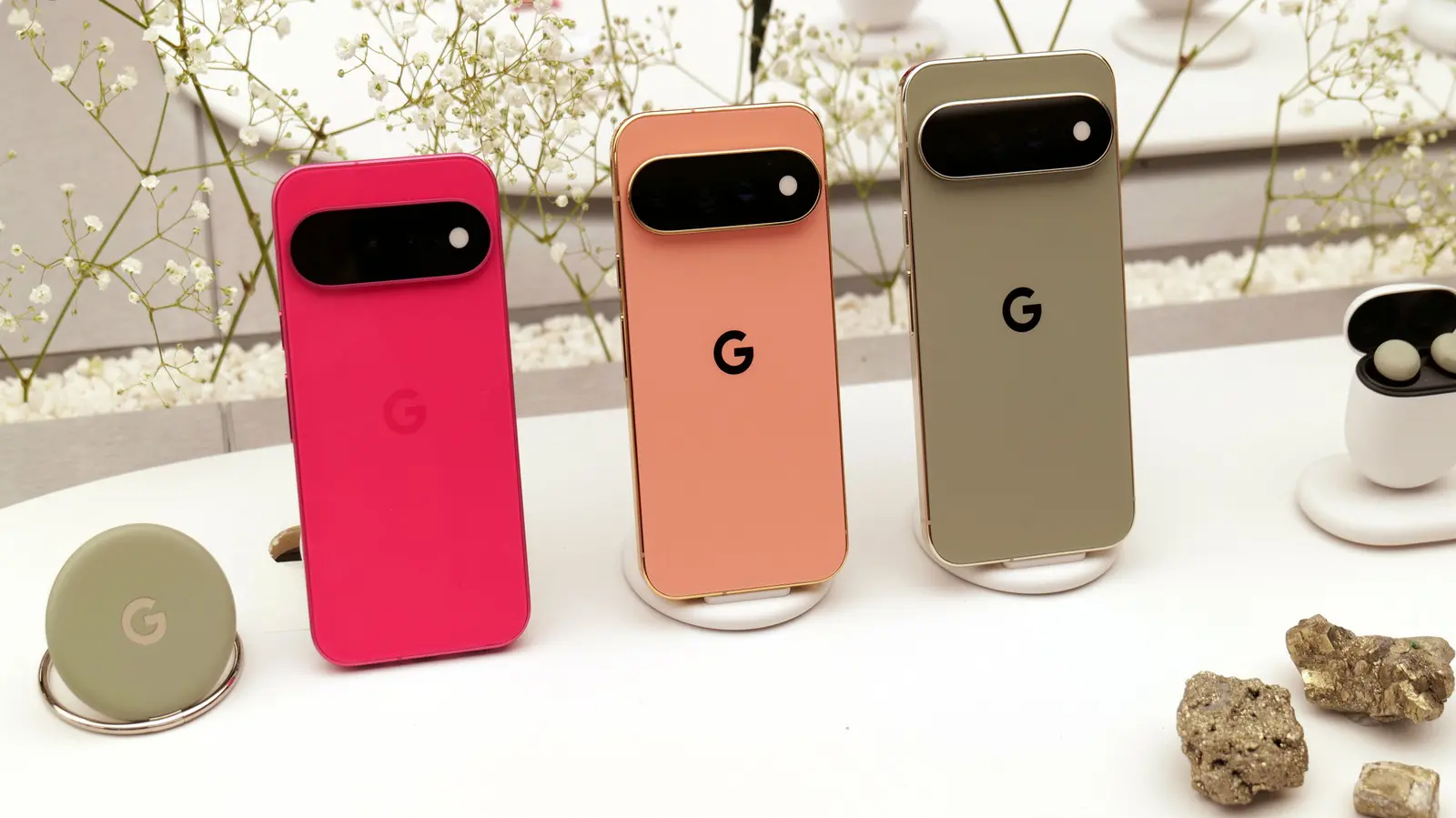
Google has officially unveiled the Pixel 11 lineup, and this year the story is all about software. With memory costs soaring over the past twelve months, the company is leaning heavily on artificial intelligence to differentiate its latest smartphones. The Pixel 11 series focuses on delivering timely, proactive assistance that anticipates user needs, expanding on the Gemini Intelligence platform first introduced ahead of I/O 2026. This marks a significant shift from hardware-centric upgrades to an AI-first approach, aiming to make the phone an even more intuitive and helpful companion.
Gemini Intelligence Takes Center Stage
At the heart of the Pixel 11 experience is Gemini Intelligence, Google's computer-use agent that can understand context, reason about tasks, and take action on behalf of the user. The new devices leverage this technology to generate glance-able cards inside apps, offering relevant information exactly when it's needed. For instance, if a friend messages you about an upcoming trip, a card may appear with your flight details, highlighting whether the flight is on time, delayed, or canceled. This proactive assistance aims to reduce the back-and-forth of searching for information across multiple apps.
Beyond travel, contextual help extends to everyday scenarios. Consider texting with a friend about dinner plans. Your Pixel 11 might offer to secure a reservation at a restaurant mentioned in the conversation, all without leaving your messaging app. Google emphasizes that this type of proactive help will appear in many places across the phone, including suggestions to save events to Calendar, add locations to Maps, or store relevant information in Google Wallet, such as membership numbers from airline or hotel apps.
Location-Based Proactive Suggestions
One of the most intriguing additions is a preview feature that delivers proactive suggestions based on your physical location. Imagine you're waiting for a seat at a new restaurant. Your lock screen could display insights about the spot, including menu highlights, popular dishes, and even tips on where to sit for the best view. This feature is designed to enrich real-world experiences by layering digital intelligence onto your surroundings. Google notes that a subscription may be required for higher usage of these proactive features, hinting at a potential tiered service model.
Breaking Down Barriers with SL2T
Google is also expanding accessibility with a new sign-language-to-text model developed by DeepMind. Named SL2T, this model will debut on the Pixel 11 line before rolling out to other Android devices. It allows deaf and hard-of-hearing users to sign at their phone to search the web, compose messages, and converse with Gemini. The technology uses the phone's camera to recognize sign language gestures and translates them into text in real time. This is a major step forward in making AI assistants truly inclusive, and it underscores Google's commitment to leveraging its AI research for social impact.
Magic Capture: Redefining Mobile Photography
No Pixel launch would be complete without a flagship camera feature, and this year introduces Magic Capture. The tool uses a combination of AI models to ensure users never miss a fleeting moment. When photographing a dynamic subject—like a smiling baby, a pet mid-jump, or a buzzer-beating three-pointer—a single tap on the button triggers the system. Behind the scenes, Google's models analyze approximately 400 frames from the camera sensor, selecting the sharpest and most expressive moment to create the perfect 12-megapixel snapshot. Magic Capture can also automatically apply edits, such as cropping, color enhancement, and tone mapping, to produce a polished image without any manual work. Additionally, users can capture a short video of the same moment without switching modes, giving them the flexibility to choose between photo and video after the fact.
The Context Behind the AI Push
The Pixel 11's software-centric approach is partly a response to the skyrocketing cost of memory components, which has forced smartphone makers to be more cautious with hardware changes. By concentrating on AI and software, Google can deliver meaningful feature improvements while keeping hardware iterations more conservative. This strategy aligns with broader industry trends, as competitors like Samsung and Apple also emphasize AI-driven experiences in their flagship devices. However, Google's deep integration of Gemini Intelligence into the operating system sets the Pixel apart, creating a seamless and anticipatory user experience.
The proactive notifications and suggestions are powered by on-device machine learning, with some tasks processed in the cloud via Google's Tensor processing units. This hybrid approach balances speed and privacy, although users may need to opt into higher usage tiers for more demanding AI requests. The subscription model mentioned by Google could mirror offerings like Google One AI Premium, suggesting that basic features remain free while advanced capabilities require a paid plan.
Implications for Daily Use
For everyday users, the Pixel 11 promises to simplify routines by reducing app-switching and manual input. The glance-able cards are designed to be non-intrusive, appearing only when contextually relevant. Similarly, the sign-language integration has the potential to transform communication for a significant portion of the population, making smartphones more accessible than ever before. The camera's Magic Capture feature may also appeal to parents, sports enthusiasts, and anyone who values spontaneity in photography, as it eliminates the need for burst mode and manual settings.
Google's focus on proactive AI also raises questions about privacy and control. While the company assures users that these features are customizable and can be disabled, the depth of context required for such assistance means the phone will analyze conversations, locations, and usage patterns. Transparency and consent will be critical as these features evolve.
Looking Ahead
The Pixel 11 launch marks a bold step forward in practical AI integration. By embedding Gemini Intelligence into the core phone experience, Google is positioning the Pixel as not just a smartphone, but an intelligent lifestyle assistant. With features like SL2T and Magic Capture, the company is addressing both accessibility and creativity, ensuring that the AI revolution benefits a wide range of users. As the technology matures, we can expect even deeper integration with third-party apps and services.
For now, the Pixel 11 offers a compelling glimpse into the future of mobile computing—where your phone doesn't wait for your commands, but actively helps you navigate your day. Whether it's securing a dinner reservation, keeping you informed about a flight, or capturing the perfect photo, the Pixel 11 is designed to be one step ahead. The full impact of these features will be realized as users integrate them into their daily lives, but the potential is undeniably exciting.
Source: Engadget News