

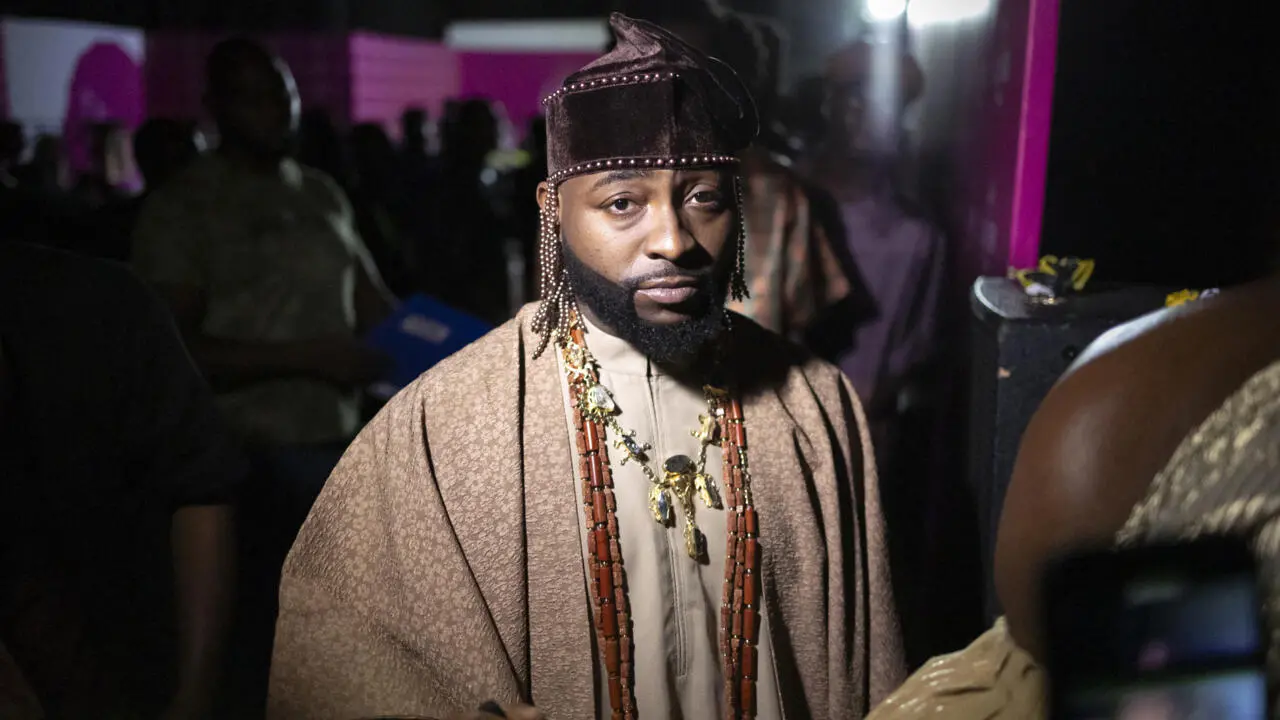
The Nigerian Afrobeats star Davido, one of Africa's most prominent musicians, is at the epicenter of a fierce online controversy following a mass abduction of students in northern Nigeria. The incident, which occurred earlier this week, saw armed gunmen kidnap over 200 students from a boarding school in the state of Zamfara. While the nation plunged into grief and outrage, Davido's reaction on social media ignited a firestorm of criticism that has now eclipsed the original tragedy in public debate.
The Incident and the Immediate Reaction
On the night of February 21, 2025, a group of heavily armed bandits attacked the Government Secondary School in Maru district, Zamfara State. They seized approximately 200 students and several teachers, dragging them into the surrounding bush. The attack came as a grim reminder of the ongoing security crisis in Nigeria, where such mass kidnappings for ransom have become alarmingly frequent. In the immediate aftermath, parents, politicians, and activists called for swift action, but it was Davido's response—or perceived lack thereof—that captured the nation's attention.
Davido, known for his hits like "Fall" and "If," posted a series of tweets and Instagram stories that many interpreted as downplaying the severity of the kidnapping. In one now-deleted tweet, he wrote, "It's just another day in Nigeria. At least they didn't shoot anyone." He later added a lighthearted emoji and a reference to his upcoming album release. The posts were met with immediate outrage. Nigerians flooded his timeline with accusations of callousness and insensitivity, demanding an apology. Within hours, the hashtag DavidoIsOverParty trended nationally.
Escalation and Defenders
As the backlash grew, Davido attempted to clarify his remarks. In a follow-up video on Instagram, he explained that he was trying to use humor to cope with the country's despair, emphasizing that he had donated to relief funds for previous kidnapping victims. However, his explanation fell flat for many. Critics pointed out that his wealth and fame insulated him from the daily terror faced by ordinary Nigerians. Others noted that his comments seemed to trivialize the trauma of the victims and their families.
Yet, Davido also found defenders. Some fans argued that the outrage was disproportionate and that the artist had been taken out of context. They highlighted his philanthropic work, including the establishment of a foundation for orphaned children in Nigeria. Supporters claimed that the controversy was manufactured by rivals and political detractors seeking to tarnish his image. This tension between his defenders and detractors only fueled the online fire further.
The Broader Context: Nigeria's Kidnapping Epidemic
To understand the intensity of the backlash, one must examine the grim reality of student kidnapping in Nigeria. Since the Chibok schoolgirls abduction by Boko Haram in 2014—a tragedy that sparked global outrage—the country has witnessed a staggering number of similar incidents. According to the United Nations, over 1,000 students have been kidnapped from Nigerian schools since 2020 alone. Bandits, often operating with impunity in the northwest and north-central states, demand ransoms that run into millions of naira. Many families are forced to sell everything they own to free their children, and some victims are never returned.
The psychological toll is immense. Survivors often suffer from post-traumatic stress disorder, and the constant fear of abduction has led many parents to withdraw their children from school. The president of the Nigerian Union of Teachers recently declared that the country is facing an "educational emergency." Against this backdrop, any perceived indifference by a celebrity is seen as a betrayal of national solidarity.
Davido's Career and Public Image
Davido, born David Adedeji Adeleke in 1992, rose to fame in the early 2010s with his debut single "Dami Duro." He quickly became a household name in Africa and beyond, earning Grammy nominations and selling out arenas worldwide. He is known not only for his music but also for his lavish lifestyle, his family connections (his father is a billionaire businessman), and his outspokenness on social media. Over the years, he has built a brand that straddles entertainment and activism. He has spoken out against police brutality and corruption, and he has used his platform to promote African unity.
However, his image has been marred by occasional controversies. In 2021, he was accused of financial misdealing with a charity fund for orphans. He denied the allegations and was later cleared by an investigation, but the incident left a stain. The current controversy threatens to deepen that stain. Critics now question whether his philanthropy is genuine or merely a public relations exercise.
The Role of Social Media and Celebrity Activism
The Davido controversy highlights the complex role of celebrities in societies grappling with crisis. In Nigeria, where social media penetration is high, celebrities are often expected to use their platforms for social good. When they fail to meet that expectation, they are quickly called out. This phenomenon is not unique to Nigeria; elsewhere, stars like Taylor Swift, Kim Kardashian, and Adele have faced similar scrutiny for perceived tone-deafness during major events.
But in Nigeria, where state institutions are weak and trust in government is low, celebrities often serve as surrogate leaders. Their words carry immense weight. Davido's initial flippant response was seen not just as a personal failing but as a symptom of a broader elite detachment from the suffering of the masses. The controversy has sparked a wider debate about whether celebrities are obliged to be activists or whether they are allowed to be entertainers first.
Aftermath: Apology and Silence
As of the time of writing, Davido has issued a formal apology on his official website. He expressed deep regret for his initial comments, stating, "I was wrong to make light of a situation that has caused so much pain. I am praying for the safe return of all the students." He also announced a donation of 50 million naira (approximately $100,000) to support the families of the victims. However, the apology has done little to quell the anger. Many see the donation as an attempt to buy forgiveness, while others appreciate the gesture but insist it does not undo the damage.
Looking Forward: The Impact on Davido's Career
The long-term effect on Davido's career remains to be seen. Historically, Nigerian celebrities have weathered similar storms and emerged relatively unscathed. However, the current social media landscape is more polarized than ever. Boycott campaigns can gain traction quickly, and there are already calls for radio stations to stop playing his songs. Some corporate sponsors have distanced themselves, although none have officially cut ties. Davido's upcoming album, scheduled for release in March 2025, may face lower streaming numbers or boycotts, but his die-hard fan base remains largely loyal.
This incident also underscores a deeper truth: in an era of heightened social consciousness, celebrities must tread carefully. Every public statement is scrutinized, and the gap between the super-rich and the average citizen is increasingly subject to critique. For Davido, this controversy may serve as a lesson in humility and awareness. For the victims' families, however, it is a harsh reminder that their tragedy has become fodder for a debate about fame and accountability.
The kidnapping situation in Zamfara continues to unfold. Security forces have launched a rescue operation, but early reports suggest the bandits have moved the hostages to a remote forest camp, making a quick rescue unlikely. The nation waits, hopes, and remembers the many children who have been taken. Meanwhile, the online conversation swirls around a pop star who dared to joke about a nightmare. In the end, the furor over Davido may fade, but the scars of the abduction will remain for generations.
Source: France 24 News