

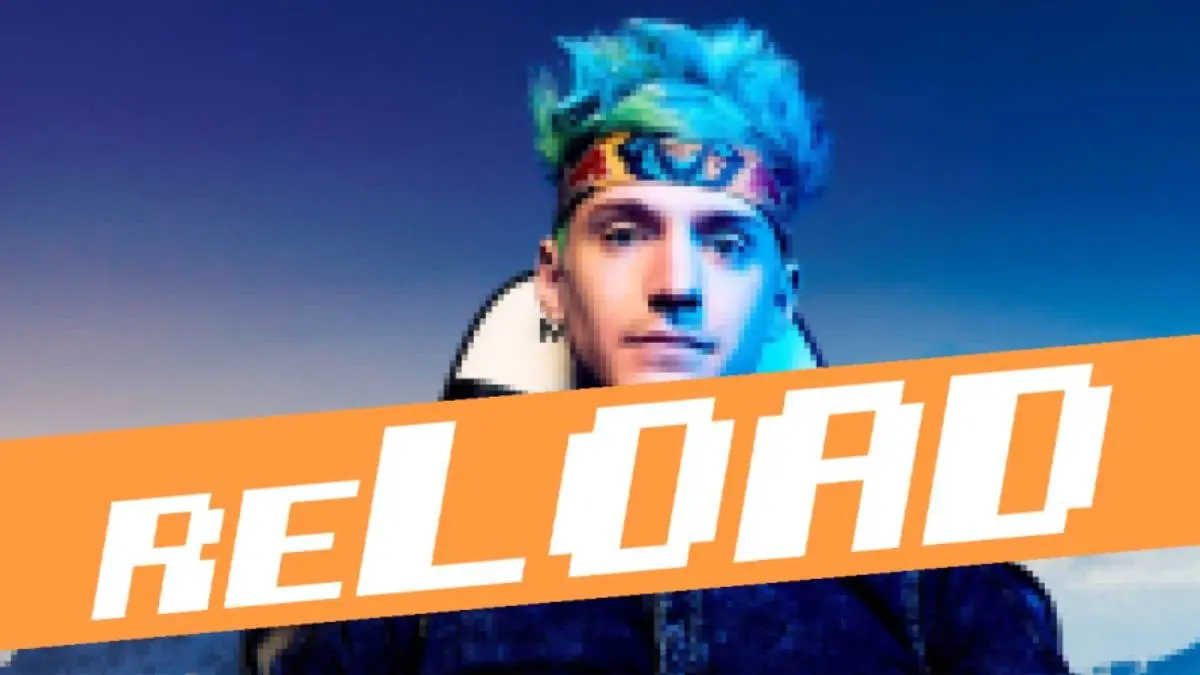
Last Thursday, the esports and streaming worlds were turned upside down when Tyler “Ninja” Blevins announced he was leaving Twitch, the platform that had made him a household name, to join Microsoft’s Mixer. The news came as a genuine shock, not just to his millions of followers but to the entire gaming industry. Ninja had become synonymous with Twitch, and his departure signaled a seismic shift in the competitive landscape of game streaming. In this ReLoad edition, we revisit the remarkable journey of the man who rose from a Halo pro to the most recognizable streamer on the planet.
The Announcement That Shook Esports
On the morning of August 1, 2019, Ninja posted a short video and tweet announcing his move to Mixer. The reaction was immediate and massive. Within hours, his Twitch channel—which had boasted over 14 million followers—fell silent, and his Mixer channel exploded with new subscribers. The news dominated social media, with fellow streamers, celebrities, and fans expressing disbelief. Many had speculated that Ninja would eventually sign an exclusive deal with a competing platform, but few expected it to happen so abruptly. According to reports, the deal was worth anywhere from $20 million to $50 million, making it one of the largest contracts in streaming history.
The move was particularly significant because Ninja was not just any streamer; he was the face of Twitch. His departure raised questions about the future of the purple platform and the growing influence of Mixer, which had struggled to compete with Twitch and YouTube Gaming despite being backed by Microsoft. By securing Ninja, Mixer instantly became a major player in the streaming wars.
Early Life and Competitive Beginnings
Tyler Blevins was born on June 5, 1991, in Detroit, Michigan, and grew up in the Chicago area. From a young age, he was drawn to video games, particularly first-person shooters. His competitive streak emerged early, and by his teenage years, he was already competing in local tournaments for games like Halo 3. Ninja’s parents, though not gamers themselves, were supportive of his passion, and he dropped out of college to pursue a career in esports—a decision that would eventually pay off in ways he could never have imagined.
Ninja’s professional gaming career began in earnest with the Halo series. He played for several organizations, including Str8 Rippin, Final Boss, and Cloud9. His exceptional aim and aggressive playstyle made him a standout player. He was a regular at Major League Gaming (MLG) events, where he competed against some of the best Halo players in the world. Despite his skill, Ninja’s time as a Halo pro was marked by close calls and near misses. He won several smaller events but never a national championship in Halo. Still, those years were crucial in honing his skills, teaching him how to perform under pressure, and building a small but devoted fanbase.
The Transition to Streaming
As the Halo competitive scene began to decline, Ninja pivoted to streaming. He started on Twitch in 2011, but his early streams attracted only a modest audience. He played a variety of games, including H1Z1, PlayerUnknown’s Battlegrounds, and Halo, but struggled to break through the massive crowd of streamers vying for attention. He was known for his high energy, rapid-fire commentary, and extraordinary gameplay, but these qualities did not immediately translate into millions of viewers.
The turning point came when Fortnite was released in 2017. Ninja was an early adopter of the free-to-play battle royale game, and he quickly realized its potential. Fortnite’s colorful graphics, building mechanics, and fast-paced action were a perfect fit for his streaming style. He devoted himself to the game, often streaming for 10 to 12 hours a day. His dedication paid off: as Fortnite’s popularity exploded, so did Ninja’s. By early 2018, he had become the most-watched streamer on Twitch.
The Breakthrough Moment: Playing with Drake
Ninja’s crossover into mainstream fame came in March 2018, when he played Fortnite with the rapper Drake. The stream was a cultural phenomenon, drawing over 600,000 concurrent viewers—a record for Twitch at the time. The event placed Ninja at the intersection of gaming and pop culture, and it opened the door for other celebrities to enter the streaming space. Travis Scott, Marshmello, and even NFL players soon followed, all wanting to play with Ninja. That single stream transformed Ninja from a popular gamer into a global celebrity.
Following the Drake stream, Ninja’s career reached heights that no one in the streaming world had ever achieved. He appeared on the cover of ESPN the Magazine, hosted Saturday Night Live, and was featured in commercials for brands like Samsung and Adidas. His net worth skyrocketed, with Forbes estimating his annual earnings at $17 million in 2019. He also published a book, “Get Good: My Ultimate Guide to Gaming,” and launched a line of signature gaming merchandise. These ventures solidified his status as not just a streamer, but a brand.
Why Ninja Left Twitch
While Ninja’s move to Mixer was shocking, it was not entirely surprising given his previous comments about the fragility of streaming careers. He had often spoken about the need for streamers to diversify their income and not rely solely on one platform. In interviews, he expressed concerns about burnout, the pressure to maintain viewership, and the impact of streaming on his personal life. Mixer reportedly offered him a more flexible schedule, a creative freedom, and a partnership that was more collaborative than transactional.
Additionally, Mixer’s technology was superior in some ways, offering lower latency and interactive features like “Buttons” that let viewers interact with the streamer in real time. Microsoft also promised to integrate Mixer with its Xbox ecosystem, providing Ninja with access to a massive console audience. For Ninja, who had always been conscious of his brand’s longevity, the move to Mixer was a strategic decision to secure his future in an increasingly competitive market.
The Legacy of Ninja’s Career
Ninja’s impact on esports and streaming cannot be overstated. He is widely credited with bringing battle royale games into the mainstream and demonstrating that video game streaming could be a legitimate career path. His success inspired countless young gamers to pursue their own streaming dreams, and his work ethic set a standard for professionalism in the industry. He also used his platform for good, raising hundreds of thousands of dollars for charity through events like Charity: Water and the American Foundation for Suicide Prevention.
In the world of esports, Ninja’s Halo legacy is still remembered. He was a top-tier competitor with a passion for improving, and he proved that a player from a console shooter could transition successfully to the PC-dominated world of battle royale. His ability to adapt and evolve—from Halo to H1Z1 to Fortnite—is a testament to his talent and versatility.
The move to Mixer also had a domino effect, leading other prominent streamers like Shroud and Michael “Shroud” Grzesiek to sign exclusive deals with the platform. This influx of talent signaled that the streaming landscape was entering a new era, one where platforms and creators negotiate high-stakes contracts akin to professional athletes. Ninja’s decision not only transformed his own career but reshaped the entire industry.
As Ninja continues his journey on Mixer, his story remains a beacon for aspiring gamers. From a small-time Halo pro to a global icon, his path is filled with lessons about perseverance, adaptability, and the importance of seizing opportunities. The esports world may have been shocked by his departure from Twitch, but those who know his history understand that Ninja has never been afraid to take risks. Whether he is building on a new platform or returning to his roots in competitive gaming, one thing is certain: Tyler “Ninja” Blevins will continue to define the future of entertainment.
Source: Millenium FR News