

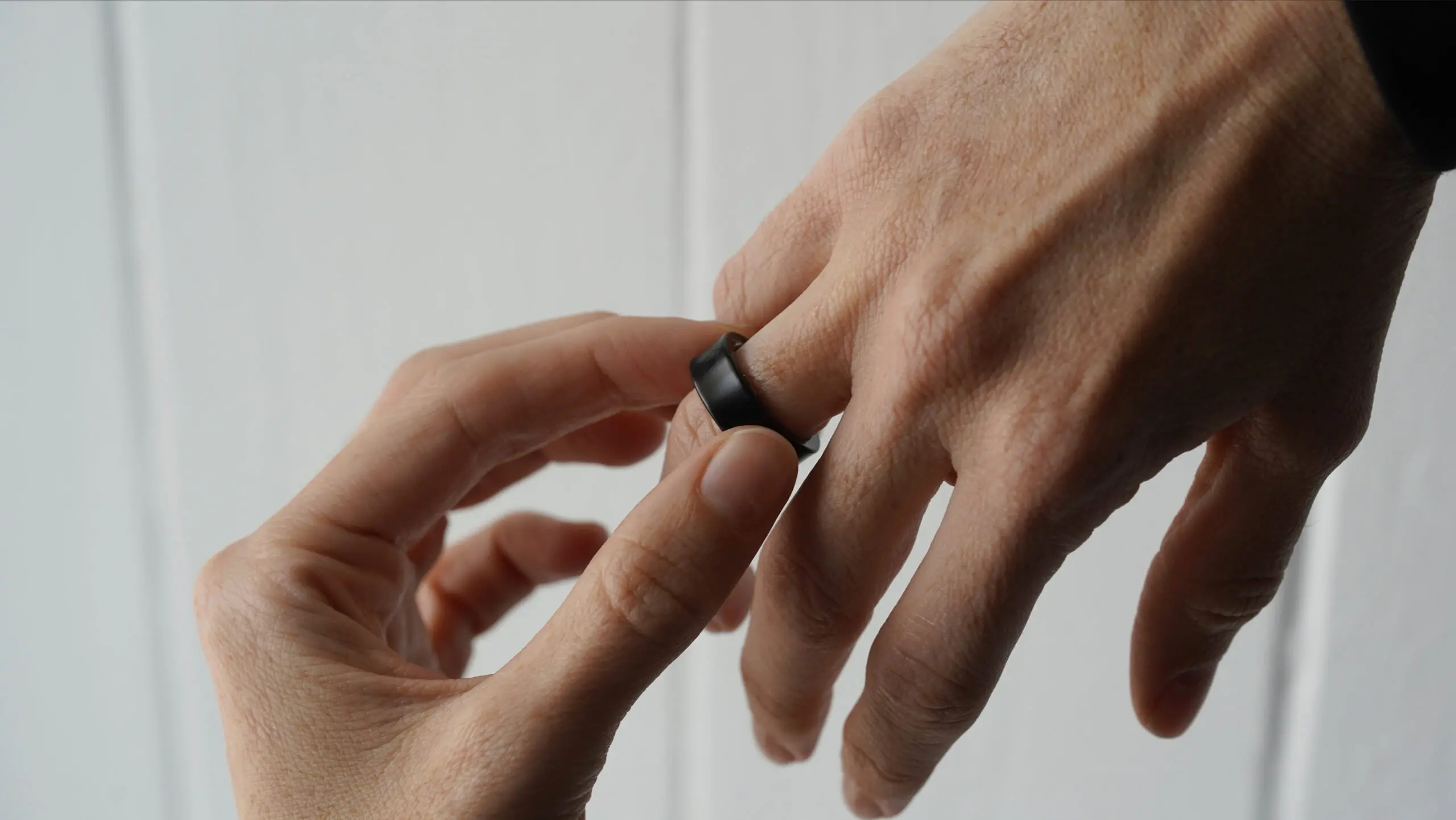
Samsung made a wave of announcements at its Galaxy Unpacked event in London on July 22, 2026. Amid the unveiling of new foldables like the Galaxy Z Flip 8, Z Fold 8, and Z Fold 8 Ultra, along with the Galaxy Watch 9 and Galaxy Watch Ultra 2, the company quietly dropped a significant health tech update: the Samsung Galaxy Ring will soon offer FDA-cleared sleep apnea risk monitoring. This feature, expected to roll out in fall 2026, positions the Galaxy Ring as the first and only over-the-counter smart ring to receive clearance from the U.S. Food and Drug Administration (FDA) for detecting potential sleep apnea.
What is sleep apnea and why does it matter?
Sleep apnea is a serious sleep disorder characterized by repeated interruptions in breathing during sleep. These pauses, which can last from seconds to minutes, often result in a drop in blood oxygen levels (SpO2) and fragmented sleep. Obstructive sleep apnea (OSA), the most common form, occurs when throat muscles relax excessively, blocking the airway. Central sleep apnea involves the brain failing to send proper signals to the muscles that control breathing. Mixed sleep apnea combines both types.
The condition is alarmingly prevalent. According to the American Academy of Sleep Medicine, approximately 30 million adults in the United States experience sleep apnea, yet only about 6 million have been formally diagnosed. Untreated sleep apnea is linked to a host of health problems, including hypertension, heart disease, stroke, type 2 diabetes, and daytime fatigue that increases accident risk. The economic burden is substantial, with billions spent annually on related healthcare costs and lost productivity.
Traditional diagnosis typically requires an in-lab polysomnography (sleep study) or a home sleep apnea test (HSAT) prescribed by a physician. These methods can be inconvenient, expensive, and access-limited. For many, the first step toward diagnosis is recognizing symptoms like loud snoring, gasping for air, or excessive daytime sleepiness. Wearable devices that track sleep metrics have emerged as a more accessible screening tool, but most lack formal regulatory clearance for clinical use.
Samsung’s approach: FDA clearance sets it apart
The Galaxy Ring’s sleep apnea risk monitoring feature is designed to help users identify early signs of the condition by analyzing nighttime SpO2 levels and other biometric data. When the ring detects repeated drops in blood oxygen saturation that may indicate apnea events, it will alert the user and suggest consulting a healthcare professional for a definitive diagnosis. This is a risk-screening feature, not a diagnostic tool, similar to how blood pressure or irregular heart rhythm alerts work on smartwatches.
What makes Samsung’s implementation noteworthy is the FDA clearance. The FDA’s 510(k) premarket notification process requires manufacturers to demonstrate that their device is substantially equivalent to a legally marketed predicate device. For a smart ring to achieve clearance for a specific clinical application like sleep apnea risk detection is a rigorous process involving clinical studies and validation. Samsung claims the Galaxy Ring is the first smart ring to clear this hurdle, giving it a regulatory advantage over competitors.
Other smart rings on the market, such as Oura and RingConn, offer similar SpO2 tracking and sleep analysis features that can detect breathing disturbances. Oura’s “Sleep Apnea Detection” feature, for example, uses a combination of heart rate, HRV, and SpO2 to identify possible apnea events. RingConn also recently launched a manual sleep apnea test. However, neither company has sought or received FDA clearance for this specific use case. While their features can provide helpful insights, they are marketed as wellness or informational tools, not cleared medical devices. Samsung’s clearance lends additional credibility and may encourage more users to take the alerts seriously.
How the Galaxy Ring monitors sleep apnea risk
The Galaxy Ring is equipped with an array of sensors, including an accelerometer, gyroscope, and photoplethysmography (PPG) sensor that measures heart rate and blood oxygen levels. During sleep, the ring constantly samples SpO2 readings, looking for patterns of desaturation. When oxygen levels repeatedly fall below a threshold—typically a 3–4% drop from baseline—the algorithm interprets this as a potential apnea event.
Samsung’s software also considers sleep staging, movement, and respiratory effort derived from sensor fusion. The company’s digital health lead, Sharanya Desai, explained at Unpacked that the feature is integrated into Samsung Health, the company’s health data platform, which already supports a wide range of metrics from phones, watches, and rings. The sleep apnea risk monitoring will be available first on Galaxy Watch 9 series devices this summer, with Galaxy Ring support following in the fall.
This staggered rollout suggests Samsung is prioritizing watches for earlier access, likely due to their larger battery and processing capabilities. The Galaxy Ring, with its compact form factor, may require more efficient power management for continuous overnight monitoring. However, the ring’s lightweight design and comfort make it ideal for overnight wear, which is essential for accurate sleep data collection.
The broader context: Wearables and regulatory evolution
Samsung’s move marks a significant milestone in the wearable health industry. Over the past decade, fitness trackers and smartwatches have evolved from simple step counters to sophisticated health monitors capable of detecting atrial fibrillation, measuring ECG, and tracking blood glucose (via connected sensors). The FDA has granted clearance to several wearable features, such as Apple’s ECG app on Apple Watch and Garmin’s SpO2 measurement for wellness purposes. However, smart rings have largely remained in the wellness category due to size constraints and lower sensor density.
The Galaxy Ring was first announced in July 2024 and launched later that year, competing with established players like Oura, which has a multi-year head start. By obtaining FDA clearance for sleep apnea detection, Samsung simultaneously validates the ring form factor as a serious health tool and pressures competitors to pursue similar regulatory approvals. This could accelerate the adoption of smart rings in clinical and research settings, where FDA clearance is often a prerequisite for integration into patient care.
Beyond sleep apnea, the Galaxy Ring already tracks heart rate, stress, sleep quality, and activity. Future updates may include additional FDA-cleared features such as detection of irregular heart rhythms or fall detection, though Samsung has not announced such plans. The company’s investment in health research, including partnerships with academic institutions and hospitals, suggests a long-term commitment to building a comprehensive health monitoring ecosystem.
Limitations and user considerations
It is important to emphasize that the sleep apnea risk monitoring feature is not a replacement for medical diagnosis. The ring will likely generate false positives or negatives, as SpO2 drops can occur for reasons other than sleep apnea, such as altitude effects, lung disease, or temporary breathing changes. Users who receive a risk alert should follow up with a sleep specialist for polysomnography or a home sleep test. Conversely, a “no risk” result does not guarantee absence of sleep apnea, especially for mild cases.
Battery life is another consideration. The Galaxy Ring reportedly lasts up to seven days on a single charge, but continuous SpO2 monitoring during sleep consumes more power. Users may need to charge the ring more frequently if they enable the feature nightly. Samsung has optimized power management, but early adopters should expect slightly shorter battery life when using sleep apnea monitoring.
Privacy also merits discussion. Health data collected by the ring is stored in Samsung Health, which syncs to cloud services like Samsung Cloud. Users must consent to data collection, and Samsung states it follows applicable privacy laws. However, as with all connected health devices, the risk of data breaches or unauthorized access remains. Users concerned about data security should review Samsung’s privacy policies and consider limiting data sharing.
Market impact and future outlook
The introduction of FDA-cleared sleep apnea monitoring could boost sales of the Galaxy Ring, which competes in a growing smart ring market projected to reach several billion dollars by 2030. Oura currently dominates with its Gen3, horloge and Fitbit-like pricing. Samsung’s integration with its smartphone and wearable ecosystem, combined with aggressive marketing and retail presence, may help it capture significant market share.
For consumers, the feature represents a low-barrier entry point to sleep health screening. Many individuals unaware of their sleep apnea risk might discover it through their smart ring, leading to earlier treatment and improved quality of life. Insurance companies and employers could also encourage use of such devices for wellness programs aimed at reducing health costs.
From a technological perspective, Samsung’s achievement underscores the importance of regulatory compliance in wearable health. As other manufacturers pursue FDA clearance for similar features, the industry will likely see a wave of validated health sensors that bridge the gap between consumer wellness and clinical medicine. The Galaxy Ring’s fall 2026 update will be closely watched by both competitors and healthcare providers.
Ultimately, while the Galaxy Ring is not a medical device in the traditional sense, its FDA-cleared sleep apnea risk monitoring brings it one step closer to being a tool that can genuinely impact public health. By combining convenience with regulatory approval, Samsung is charting a path for smart rings to move beyond novelty into essential health companions.
Source: Android Authority News