

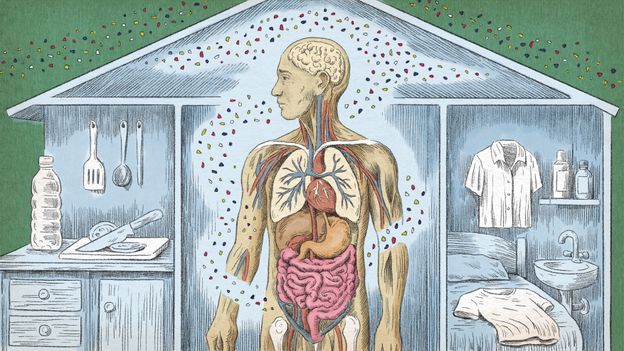
Microplastics are an omnipresent threat, infiltrating our kitchens and the food we consume. These tiny plastic particles, less than 5mm in size, come from various sources, including cookware, food packaging, and even the utensils we use. Recent findings reveal that microplastics can easily make their way into our meals, whether they are cooked or raw, leading to rising concerns about their impact on health.
One study indicated that the typical amount of plastic consumed by individuals has increased significantly since 1990, highlighting the urgent need to address this issue. Microplastics can enter our food supply through contaminated soil, water, and air, with plants and animals absorbing them in various ways. As such, it is crucial to understand how microplastics infiltrate our diets and how we can take proactive steps to reduce our exposure.
Sources of Microplastics in the Kitchen
Microplastics often come from common kitchen items. For instance, cooking utensils made of plastic can shed particles into food during preparation. Additionally, pre-packaged foods are frequently stored in plastic containers, contributing to the problem. Recent research suggests that rinsing certain foods, like rice, can help remove a portion of the microplastics before consumption, but it's not a complete solution.
Moreover, the level of microplastic contamination can vary based on food types. Salt, for example, has been found to contain microplastics due to pollution during harvesting and processing. In a study of various salt brands, a staggering majority contained microplastics, with sea salt showing the highest levels of contamination.
Water: Another Major Contributor
Water is another significant source of microplastics. Studies have shown that microplastics are prevalent in both bottled and tap water. The act of sealing and unsealing plastic bottle caps can generate substantial amounts of microplastic particles. Using a reliable water filter can help reduce microplastic exposure, with some filters capable of removing up to 90% of these contaminants.
Food Packaging and Utensils
Food packaging plays a crucial role in the prevalence of microplastics. Foods stored in plastic containers inevitably contain traces of plastic, and even tearing open packaging can release microplastics into the air. Research has shown that multiple uses of plastic containers can significantly increase the amount of microplastics released. In one study, reusable melamine bowls released considerable amounts of microplastics after just a few washes.
Kitchen utensils, especially those made from plastic, also contribute to microplastic exposure. Non-stick cookware and blending appliances are known to release microscopic particles during use. While silicone utensils are sometimes recommended as safer alternatives, they are not entirely free from the risk of shedding microplastics.
Strategies for Reduction
Experts recommend several strategies to minimize exposure to microplastics in the kitchen. First, opting for fresh, whole foods can reduce the likelihood of consuming contaminated products. Avoiding ultra-processed foods is crucial, as these items typically involve more plastic in their packaging and preparation processes.
When it comes to utensils and containers, it's advisable to replace damaged items with plastic-free alternatives. Items that show signs of wear and tear should be prioritized for replacement. Also, carefully washing and preparing food can help mitigate some of the risks associated with microplastics, though it is not a foolproof solution.
The Bigger Picture
While individual actions can help, addressing the microplastic problem requires collective efforts. Reducing plastic pollution globally could lead to a significant decrease in microplastics present in food sources. The challenge lies in balancing the convenience of plastic with the need for sustainability and health.
Ultimately, awareness and education about microplastics can empower individuals to make informed choices in their kitchens and beyond. Understanding the sources and implications of microplastics in our food system is the first step towards reducing their presence in our diets and protecting our health.
Source: Bbc News