

The evolution of technology often highlights the successes, such as smartphones and social media, while the failures fade into obscurity. Yet, countless devices have made a splash only to sink into the depths of forgotten inventions. This article examines 15 of the most peculiar tech products that, despite their innovative designs, failed to capture the hearts of consumers.
Innovation is inherently risky. Inventors often create products that sound intriguing but struggle to gain traction due to various factors, including timing, price, and aesthetics. Here, we delve into the unusual experiments in tech history to uncover what went wrong and what made these devices unique.
Sony Rolly
The Sony Rolly was an egg-shaped music player that danced while playing music. Featuring two rubber wheels, it could move forward, backward, and spin 360 degrees. With wings that opened to reveal stereo speakers and customizable LED lights, it was a visual spectacle. Users could play music from its internal memory or stream via Bluetooth. However, its $399 price tag, lack of a digital screen, and battery life of only four hours limited its appeal.
Nabaztag
This Wi-Fi-enabled robotic rabbit could read weather updates, stock prices, and even messages. With a quirky personality, it would rotate its ears and flash colorful LEDs. However, its high price and limited functionality made it more of a novelty than a necessity, and the company behind it eventually went bankrupt.
Clocky Alarm Clock
Clocky was designed to help users get out of bed by jumping off the nightstand and rolling away when the alarm sounded. Its random movement forced users to chase it down to silence the alarm. While effective, the novelty wore off, and it never became a staple in homes.
Hushme
The Hushme was a voice mask designed to keep conversations private in public spaces. However, its odd appearance drew attention rather than providing privacy, and its practicality was questioned. The device masked sounds while you spoke, but its design made it seem more like a gag than a useful gadget.
Twirling Spaghetti Fork
This motorized fork aimed to assist those with limited hand mobility. However, it was seen as a comical novelty rather than a practical tool. While it could help some users, its impracticality limited its market appeal.
Air-Conditioned Fan Jacket
Invented as an energy-efficient cooling solution, this jacket contained battery-powered fans to circulate air around the wearer. Despite its innovative design, it struggled to gain global popularity due to cultural differences in clothing preferences during hot weather.
Teasmades
Combining an alarm clock with a tea brewer, Teasmades prepared tea as you woke up. Although popular in the UK in the 60s and 70s, the rise of electric kettles and central heating rendered them obsolete.
Samsung Ballie
This interactive robot was designed to manage smart home devices and serve as a pet monitor. Despite its innovative features, it never made it to retail shelves and was ultimately shelved by the company due to unclear market positioning.
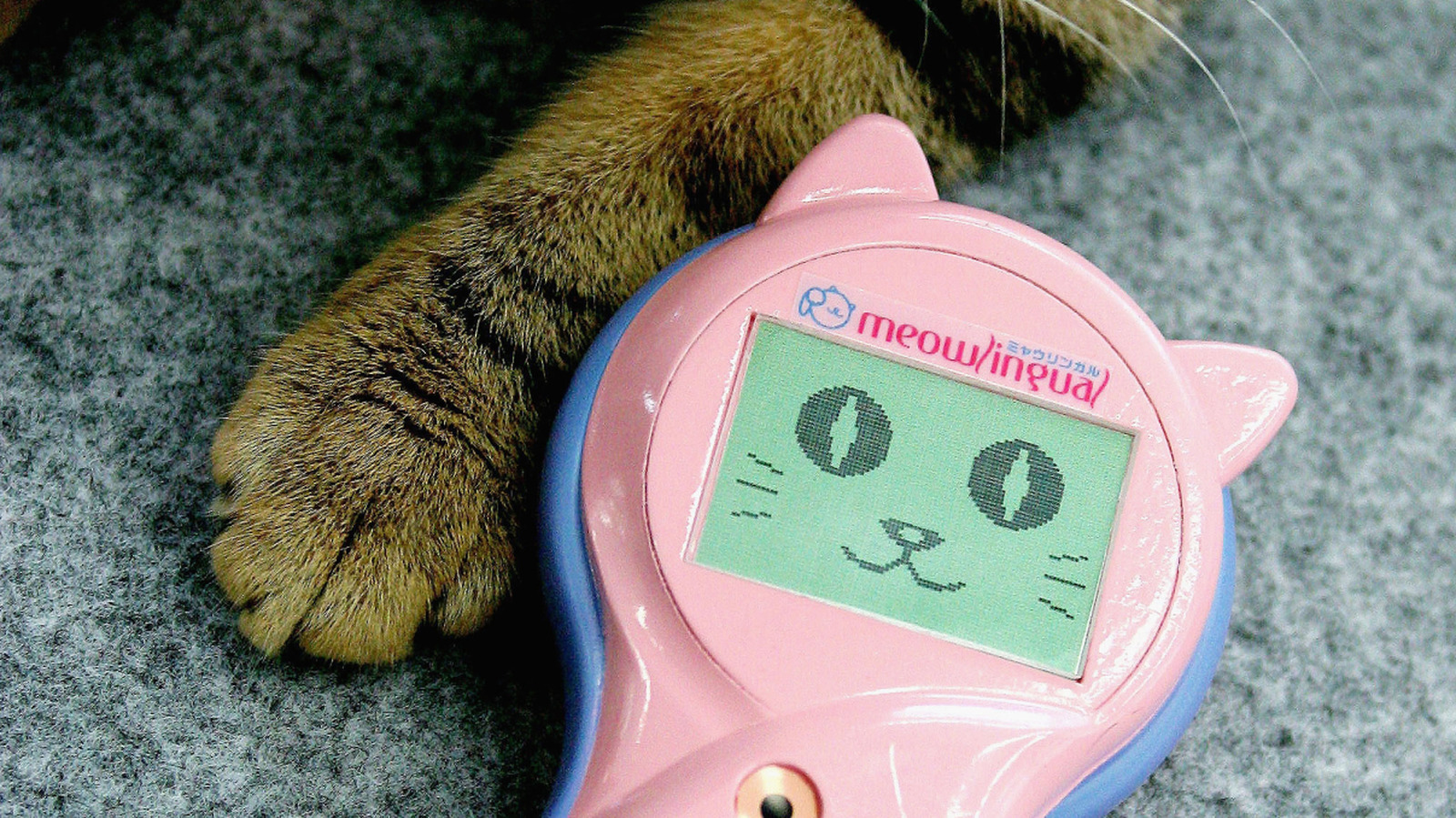
Meowlingual
Aimed at cat owners, this device translated cat sounds into human phrases. However, its accuracy was questionable, and it failed to resonate with consumers, becoming a novelty item.
Air Purifying Face Masks
These Bluetooth-enabled masks aimed to provide clean air and allow users to communicate while wearing them. However, they were heavy and uncomfortable, and their high price tag made them impractical for everyday use.
Enomad Uno
This portable hydroelectric generator was designed for campers but faced practical challenges. Its reliance on fast-moving water limited its usability, and its high price deterred potential buyers.
LG StanbyME Go
This portable entertainment system featured a touchscreen and speakers in a briefcase design. However, its weight and limited battery life made it less appealing for outdoor use, leading to limited success in the market.
Rollkers
These motorized shoe attachments aimed to enhance mobility but struggled with a short battery life and remained in the prototype phase for years. Their design, while innovative, failed to attract a significant user base.
CD-ROM Magazines
Once a popular format for digital publications, CD-ROM magazines fell out of favor with the rise of the internet. They are now considered relics of the past, showcasing how quickly technology can evolve.
Qoobo
This robotic pillow was designed to provide comfort without the responsibilities of pet ownership. However, its unusual appearance limited its appeal, and it did not become a mainstream success.
These 15 innovations illustrate the unpredictable nature of technology and consumer acceptance. While they may not have found their footing in the market, they serve as reminders of the creativity and experimentation that drives the tech industry forward.
Source: SlashGear News