

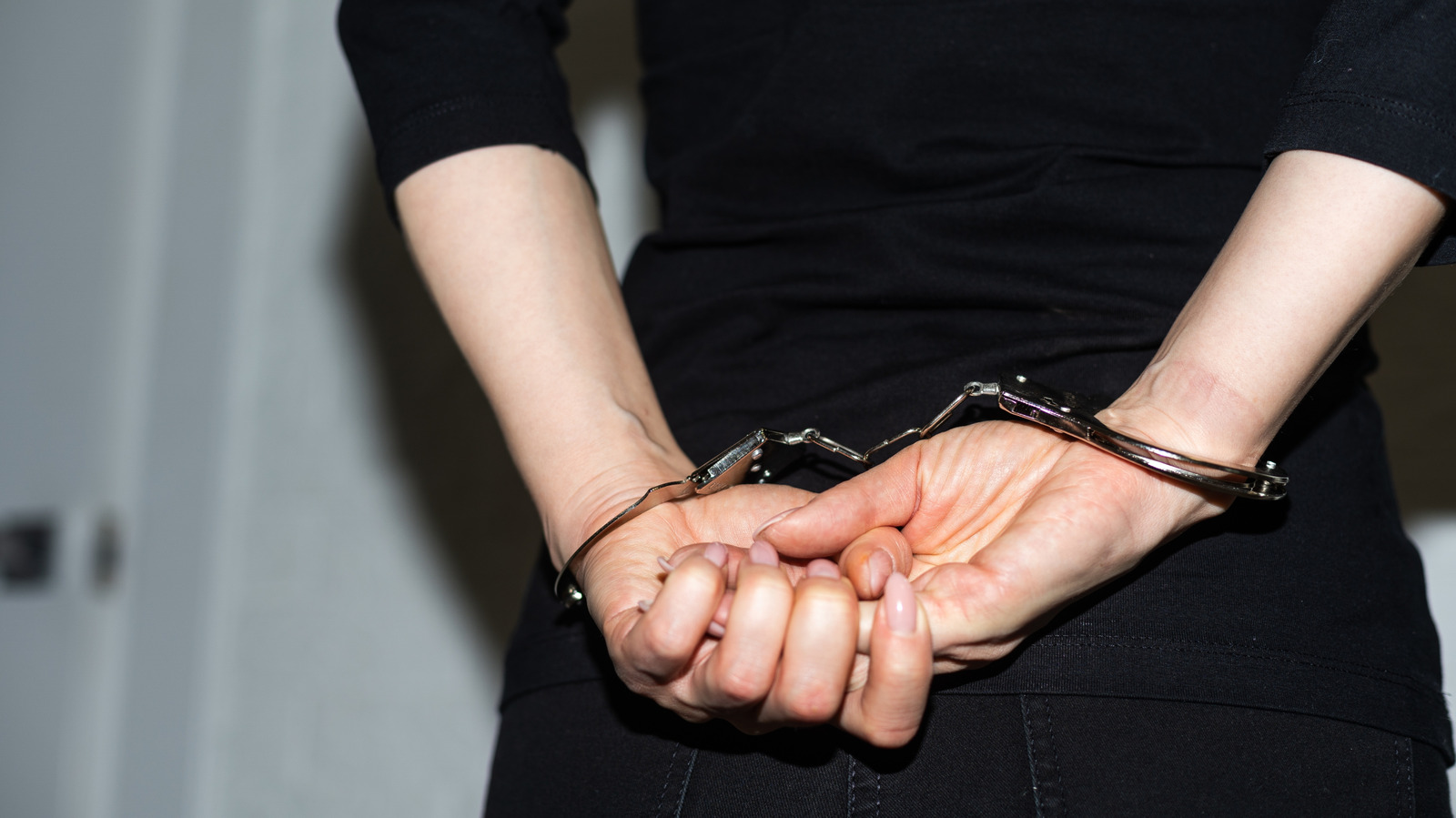
Artificial Intelligence (AI) is increasingly integrated into our daily lives, often without our awareness. While many Americans appreciate the benefits of AI, such as its applications in coding and communication, there remains a significant concern regarding its use in sensitive areas like law enforcement. A Tennessee woman, Angela Lipps, found herself at the center of controversy when she was arrested for a crime in a state she claims to have never visited, underscoring the potential consequences of AI errors.
Angela Lipps was arrested in July 2025 after a warrant was issued by the Fargo Police Department in North Dakota, located over 1,000 miles from her Tennessee home. The Fargo Police sought assistance from the West Fargo Police Department, which routinely employs facial recognition technology from Clearview AI to identify suspects in various cases. In this instance, the technology was utilized to assist in identifying a suspect in a bank fraud investigation.
Importantly, the Fargo Police asserted that their identification of Lipps was not solely based on AI results; they conducted additional investigative measures before naming her as a suspect. After the warrant was issued, U.S. Marshals arrived at Lipps' home while she was babysitting, leading to her arrest as a fugitive. She was detained without bail for nearly four months in her county jail.
Prolonged Incarceration and Resolution
Despite the increasing use of facial recognition technology, the case of Angela Lipps raises questions about the thoroughness of the investigative process. Although Clearview AI identified her as a suspect, it remains unclear what other evidence contributed to the police's decision. Fargo Police Chief Dave Zibolski emphasized that the case was not based solely on AI-generated leads, indicating some level of additional investigative effort.
During her time in jail, Lipps awaited extradition to North Dakota to face multiple charges. It was only in October that her attorney was able to prove her innocence using bank records, leading to the dismissal of all charges against her. Lipps' experience is not an isolated incident; last year in Detroit, Porcha Woodruff faced similar circumstances when she was wrongfully charged with carjacking after being misidentified by facial recognition technology. Woodruff spent 10 hours in jail before the charges were dropped, prompting city officials to revise their facial recognition policies.
After her release from prison, Angela Lipps found herself stranded in North Dakota, having been wrongfully incarcerated. She eventually managed to return home to Tennessee. The Fargo Police Department later stated that the duration of her imprisonment could be attributed to her contesting extradition or to serving time for an unrelated offense. In light of her wrongful arrest, Lipps is contemplating a lawsuit against the authorities.
Concerns Over Facial Recognition Technology
The Fargo Police Department, which does not possess its own facial recognition technology, expressed concerns about the operational oversight of the West Fargo Police Department's use of Clearview AI. They announced that they would no longer rely on information from West Fargo, citing a lack of knowledge regarding how the technology is managed and controlled.
This case serves as a stark reminder of the potential pitfalls of relying on AI in law enforcement settings. As technology continues to evolve, the risks associated with wrongful identifications and arrests may lead to calls for stricter regulations and oversight of AI applications. The stories of individuals like Angela Lipps and Porcha Woodruff highlight the urgent need for police departments to critically assess their reliance on AI technologies and ensure that they complement thorough investigative practices.
Source: SlashGear News