

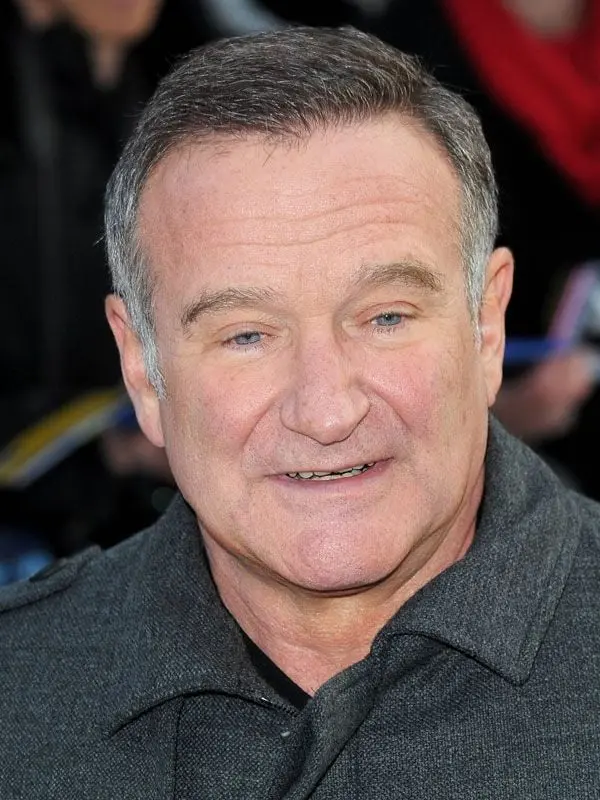
Robin Williams, the comedic genius whose energy and heart defined a generation, left an indelible mark on cinema. Among his vast filmography, the 1993 film Mrs. Doubtfire stands as a cultural touchstone—a comedy that showcases Williams at his most versatile: playing both a loving, desperate father and a flamboyant, wise-cracking British nanny. The role of Daniel Hillard, who transforms into Madame Iphigenia Doubtfire to spend time with his children after a divorce, required Williams to blend slapstick, impersonation, and genuine emotion. This article explores the making and legacy of Mrs. Doubtfire, alongside other highlights of Williams' remarkable career, celebrating the talents that made him a beloved figure worldwide.
The Magic of Mrs. Doubtfire
In Mrs. Doubtfire, Williams played Daniel Hillard, a voice actor whose free-spirited nature clashes with his career-driven wife Miranda (Sally Field). After a bitter custody battle leaves him with limited visitation, Daniel devises a plan: disguise himself as an elderly British housekeeper, Mrs. Doubtfire, and become the nanny for his own children. The premise, while absurd, grounded the film in real family dynamics, allowing Williams to explore a father’s love and the lengths he would go to for his kids.
The transformation process was extraordinary. Williams spent hours in makeup to become Mrs. Doubtfire, and his improvisational skills turned every scene into a masterclass. Lines like “Help is on the way, dear!” and the iconic “Drive-by fruiting” demonstrated his ability to find humor in tragedy. Behind the scenes, Williams often improvised entire monologues, and director Chris Columbus encouraged him—resulting in over 20 minutes of unused brilliant improvisation that later appeared in special editions. The film’s message about the importance of family and forgiveness resonated deeply; it grossed over $441 million worldwide and won the Academy Award for Best Makeup. More importantly, it became a staple of family movie nights, with Williams’ performance inspiring countless imitations and lasting affection.
Robin Williams: The Early Years
Before conquering the big screen, Robin Williams emerged from the San Francisco comedy scene. His frenetic stand-up routines, filled with rapid-fire impressions and tangential riffs, earned him a role as the alien Mork on Mork & Mindy (1978–1982). The show’s success propelled him to superstardom and set the stage for his transition to film. His first major movie role was in Popeye (1980), followed by the dramatic turn in The World According to Garp (1982). But it was Good Morning, Vietnam (1987) that garnered his first Oscar nomination, cementing his ability to blend comedy and drama.
Iconic Roles Across Genres
Dramatic Depth
Williams stunned audiences with his dramatic range. In Dead Poets Society (1989), he played John Keating, an English teacher who inspires his students to “seize the day.” The film earned him another Oscar nomination and became an anthem for nonconformity. Then came Good Will Hunting (1997), where he portrayed therapist Sean Maguire. His monologue about the “Not a choice” scene and the bench speech about life’s imperfections showcased profound vulnerability. That role finally won him the Academy Award for Best Supporting Actor. Other dramatic highlights include Awakenings (1990) opposite Robert De Niro and The Fisher King (1991), a complex mix of fantasy and mental illness.
Voice Work and Family Films
Williams’ distinctive voice brought to life the Genie in Disney’s Aladdin (1992). His relentless improvisation filled the character with energy, impersonating everyone from Groucho Marx to Jack Nicholson. The role became legendary, and Williams’ work revolutionized animated voice acting. In Jumanji (1995), he used physical comedy as Alan Parrish, a man trapped in a board game—another beloved family classic. Hook (1991) saw him as a grown-up Peter Pan, combining childlike wonder with middle-aged regret. And Flubber (1997) and Patch Adams (1998) further cemented his reputation for heartfelt family entertainment.
Adult Comedies and Satire
Williams also thrived in edgier comedies. The Birdcage (1996) featured him as a gay club owner opposite Nathan Lane, delivering sharp social commentary with uproarious humor. In Death to Smoochy (2002), he played a deranged children’s TV host, revealing a darker side of his persona. One Hour Photo (2002) pushed further into psychological thriller territory, where Williams played a lonely photo lab technician—a chilling departure from his usual warmth. These roles proved his versatility and willingness to take risks.
The Comedy Engine: Genius and Struggle
Williams’ comedy often sprang from a place of deep insecurity and personal pain. He battled substance abuse throughout his life, famously relapsing in the early 2000s. Yet his performances remained electric because he channeled those struggles into his work. His stand-up specials like Live on Broadway (2002) reveal a man wrestling with demons while making audiences laugh uncontrollably. His final film roles before his tragic death in 2014, such as in The Angriest Man in Brooklyn and the TV series The Crazy Ones, still showcased flashes of his brilliance.
Enduring Legacy
More than a decade after his passing, Robin Williams’ influence continues. Mrs. Doubtfire remains a beloved classic, often ranked among the greatest comedies of all time. His impact on comedy and acting is immeasurable: comedians cite him as a primary inspiration, and his willingness to be vulnerable on screen redefined what a comedic actor could do. The Robin Williams Foundation supports mental health and addiction recovery, reflecting his own battles. Films like Dead Poets Society are still studied in schools, and the Genie’s scenes in Aladdin are iconic. His ability to make people laugh and cry simultaneously—that rare gift—ensures his work will be revisited for generations. Whether as a lovable nanny, a troubled therapist, or an animated whirlwind, Robin Williams gave us pieces of his soul. And that is why we still celebrate his filmography, from Mrs. Doubtfire to all the roles that made him irreplaceable.
Source: AlloCiné News