

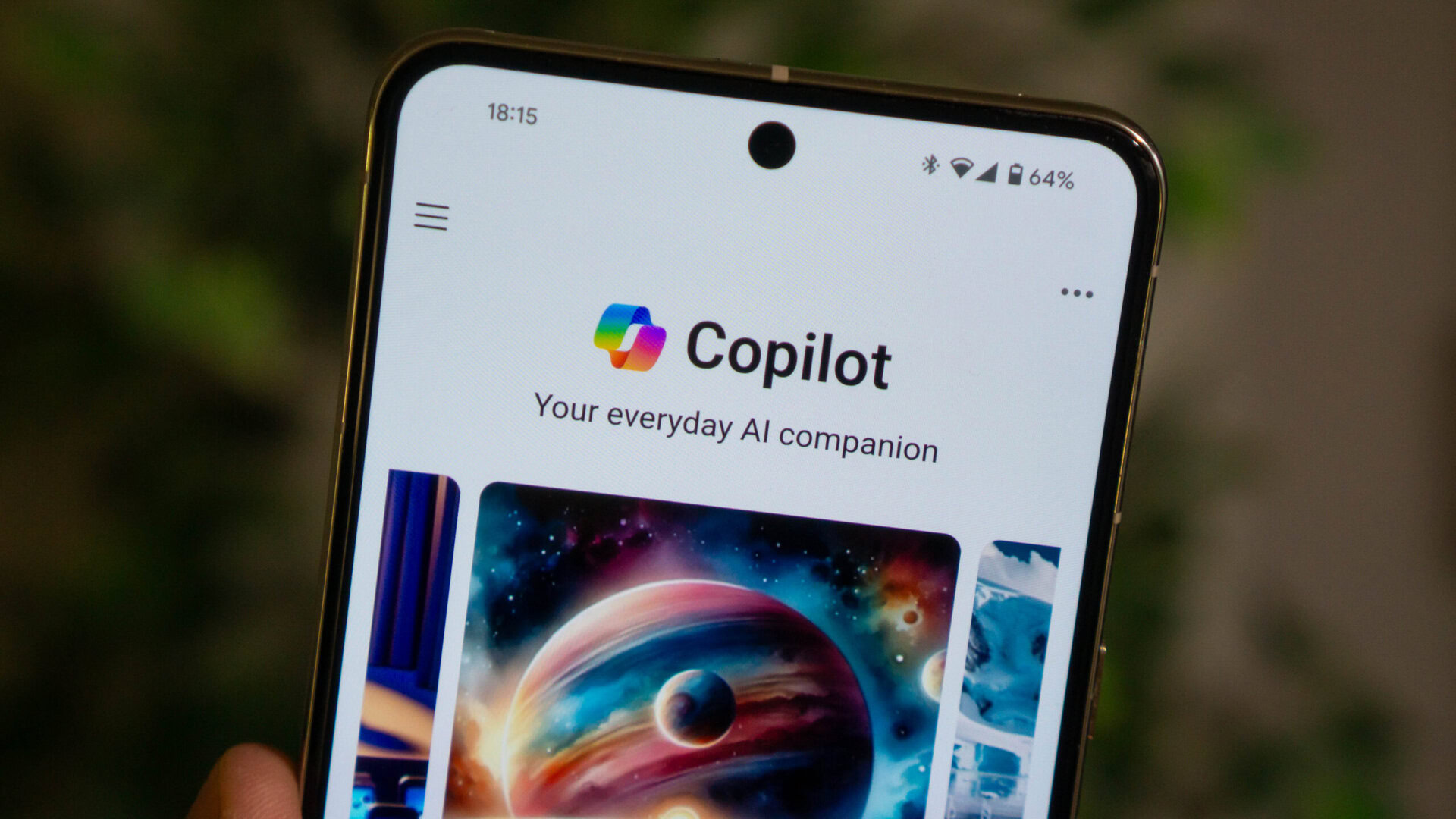
In a curious turn of events, Microsoft has included a disclaimer in its Copilot terms of use that states the AI tool is intended for 'entertainment purposes only.' This phrase has caught the attention of many users and industry observers, especially given the company's active promotion of Copilot for serious business applications.
As artificial intelligence becomes increasingly integrated into professional environments, users are now more adept at discerning useful AI outputs from inaccuracies. The rise of AI has prompted professionals to develop critical skills to evaluate and verify the information generated by these tools. While many AI companies caution users to confirm the accuracy of AI-generated results, Microsoft’s disclaimer appears to take this caution to an unusual level.
Microsoft has positioned Copilot as a valuable asset for various business functions, including strategy development and decision-making support. However, the explicit mention that it is for 'entertainment purposes only' raises significant concerns about the reliability of its outputs. The disclaimer implies that users should not depend on Copilot for crucial advice, urging them to 'use Copilot at your own risk.'
This additional layer of legal caution seems to stem from a desire to mitigate potential liabilities. Microsoft acknowledges that Copilot can produce errors and may not perform as expected, a standard precaution seen across many AI platforms. However, the inclusion of the phrase 'entertainment purposes only' takes this disclaimer a step further, potentially undermining the serious applications for which Microsoft is marketing the product.
In the broader context of AI technology, many companies, including Google with its Gemini system, provide users with clear guidelines about the capabilities and limitations of their AI tools. For instance, Google emphasizes both what its AI can accomplish and where it still requires improvement. In contrast, Microsoft’s Copilot appears to send mixed messages by promoting its utility while simultaneously downplaying its reliability with a vague disclaimer.
Users of AI tools, especially in business environments, have been advised for some time to rigorously check the outputs they receive. The AI models can confidently present incorrect information as facts, making it essential for users to remain vigilant. As a result, the inclusion of such a disclaimer in the Copilot terms could lead to confusion among users who might expect a more reliable tool based on Microsoft’s marketing efforts.
For businesses considering the use of Copilot, the implications of this disclaimer could be significant. It suggests a lack of accountability from Microsoft regarding the decisions made based on Copilot's outputs. With AI technology rapidly evolving, the expectations for accuracy and reliability are also increasing, making such disclaimers particularly concerning.
Ultimately, the legal language included in Copilot’s terms may reflect a broader trend within the tech industry where companies are increasingly cautious about the potential repercussions of AI-generated content. While it is prudent for companies to protect themselves legally, the approach taken by Microsoft in this instance has invited scrutiny and even ridicule, as users are left to grapple with the dichotomy between marketing and reality.
As we move forward in an era where AI tools like Copilot are becoming commonplace, it is imperative for users to thoroughly understand the limitations and risks associated with these technologies. Clear communication from companies about what their AI can and cannot do is essential for fostering user trust and ensuring that these powerful tools are used effectively and responsibly.
Source: Android Authority News