

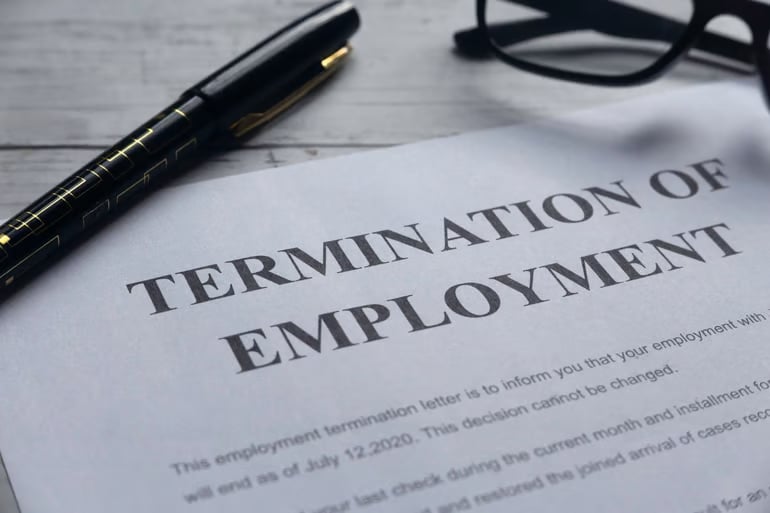
In a concerning trend, tech layoffs are on the rise once again, with a staggering 52,000 jobs lost within just three months of 2026. This wave of layoffs is being linked to the increasing adoption of automation tools and artificial intelligence (AI) within the industry.
Recent data reveals that as tech companies embrace AI, they are simultaneously cutting back on hiring and reducing workforce numbers. The shift towards automation, which was once a gradual process, is now occurring at a rapid pace, leading to significant job losses alongside a slowdown in hiring.
According to reports, over 52,000 tech employees in the United States were laid off in the first quarter of 2026 alone. This alarming figure highlights the growing impact of AI on employment in the tech sector. As companies strive to integrate AI into their operations, many are finding themselves in a position where they need to reduce staff in other areas.
A Wave of Layoffs
Numerous tech companies have made headlines for their recent layoffs, which often occur in large batches. For example, Oracle announced significant layoffs on April 1, 2026, as part of its strategic push into AI. Reports indicate that an email sent at 6 a.m. informed up to 30,000 employees across the US, Canada, Mexico, India, and beyond about their termination, prompting some to question the timing as an April Fool’s joke.
March 2026 alone saw a reduction of 18,720 tech jobs, marking a 24% increase in layoffs compared to the same month the previous year, according to Challenger, Gray & Christmas Inc. Furthermore, non-tech sectors are not immune to these job cuts, with over 60,620 layoffs reported in March from various industries.
Prominent companies such as Meta, Amazon, and fintech startup Block, founded by Jack Dorsey, have all announced job cuts this year, frequently citing AI as a contributing factor. Interestingly, many of these companies are increasing their investments in AI while simultaneously reducing their workforce in other departments.
This trend of AI-driven layoffs has not come without prior warnings. In 2024, Jamie Dimon, CEO of JPMorgan Chase, highlighted the potential for AI to disrupt traditional jobs and workforce structures. In a letter to shareholders, he noted, "Over time, we anticipate that our use of AI has the potential to augment virtually every job, as well as impact our workforce composition."
Disagreement on the AI Narrative
However, not everyone agrees on the motivations behind these layoffs. Sam Altman, CEO of OpenAI, has publicly challenged the narrative that AI adoption is the primary reason for job cuts. He argues that companies are using AI as a facade to mask their real reasons for downsizing, thereby avoiding the perception of incompetence.
Support for Altman’s view comes from venture capitalist Marc Andreessen, who emphasizes that many large corporations are overstaffed and are using AI as an excuse to streamline their workforce. In a recent podcast, he stated, “Essentially, every large company is overstaffed. It’s at least 25 percent overstaffed. I think most large companies are overstaffed by 50 percent. I think a lot of them are overstaffed by 75 percent. Now they all have the silver bullet excuse: Ah, it’s AI.” He further elaborated that AI was not capable of performing the jobs being cut until recently.
The Future for Laid-off Workers
The implications of these layoffs are profound, leaving many workers uncertain about their future. Despite the disheartening job losses, some AI leaders maintain an optimistic outlook on the technology’s potential to transform industries positively.
Dimon, who previously warned about AI's disruptive potential, has also expressed hope regarding the advancements in AI, suggesting it could lead to longer lifespans, cures for diseases like cancer, and shorter workweeks. He acknowledged that while AI may eliminate certain job categories, it could also create new employment opportunities in the evolving landscape.
As the tech industry continues to navigate these turbulent waters, the interplay between AI advancements and employment will remain a critical topic of discussion.
Source: eWEEK News