

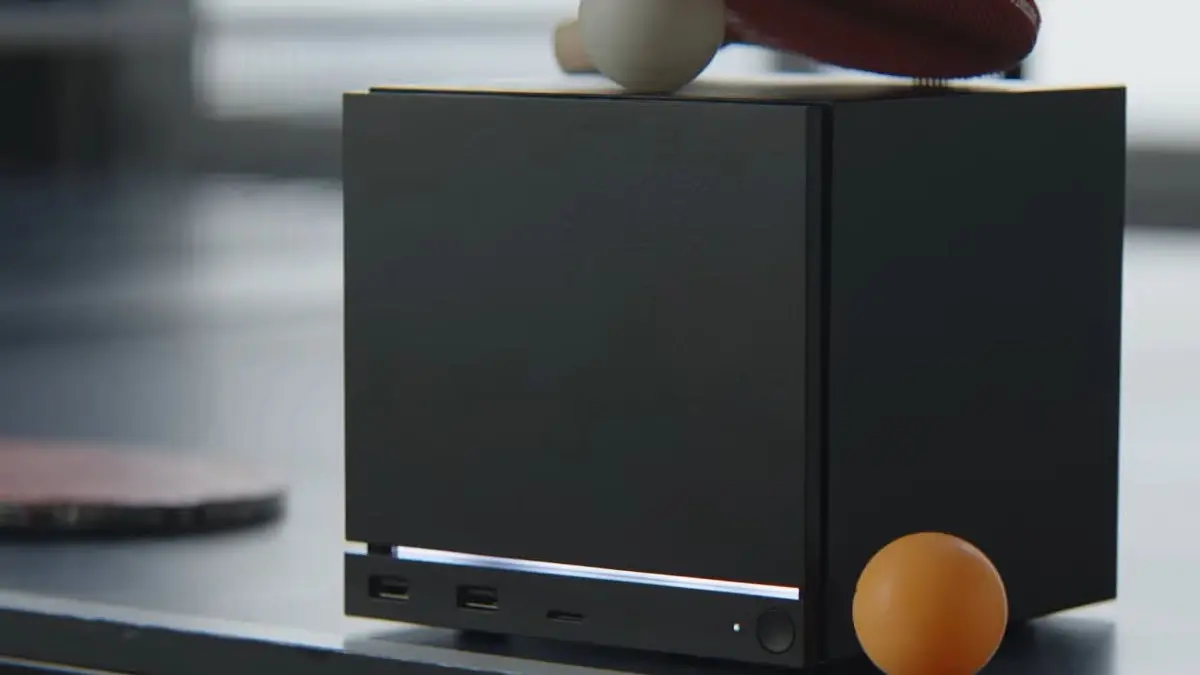
Valve has confirmed that the latest SteamOS 3.8 update allows PC gamers to construct their own version of the Steam Machine using off-the-shelf components, potentially democratizing the console-like gaming experience. The announcement, made in an interview with a tech publication, signals a major shift in Valve's strategy from a proprietary hardware focus to a broader software platform approach.
What Is the Steam Machine?
Originally launched in 2015, the Steam Machine was Valve's attempt to bring PC gaming into the living room with a dedicated console-like device running SteamOS. The concept failed to gain traction due to high prices, fragmented hardware configurations, and lackluster game support. However, the recent success of the Steam Deck handheld reignited interest in the SteamOS ecosystem. Now, Valve is revisiting the concept by enabling users to build their own Steam Machines using standard PC parts.
SteamOS 3.8: The Key Enabler
The SteamOS 3.8 update, which began rolling out last week, includes several improvements that make it easier to install and run on non-Valve hardware. According to Valve's Pierre-Loup Griffais, the update paves the way for a future where any gamer can assemble a custom PC and run SteamOS without jumping through hoops. This is a significant departure from earlier versions, which were tightly coupled to specific hardware configurations.
The release also addresses compatibility issues with a wider range of components. Griffais emphasized that while installing SteamOS on non-AMD hardware is technically possible, it has been complex. The growing team at Valve is now actively working to simplify this process, with a particular focus on NVIDIA GPU support, which has historically been problematic on Linux-based systems.
NVIDIA Driver Support in Development
One of the biggest hurdles for SteamOS adoption has been the lack of official NVIDIA driver support. While AMD and Intel GPUs work well with the open-source Mesa drivers, NVIDIA users have had to rely on proprietary drivers that are not always optimized for gaming. Griffais revealed that Valve is collaborating closely with NVIDIA to bring proper driver support to SteamOS. However, he cautioned that this support may not arrive until after 2024, as the partnership is still in the early stages.
For now, Griffais recommends SteamOS primarily for console-type setups where the PC is connected to a TV and runs on a single-boot drive. This configuration mirrors the experience of a Steam Deck in docked mode or an original Steam Machine. Users with compatible AMD or Intel integrated graphics can expect the best results, while NVIDIA users may need to wait for ongoing development.
How to Install SteamOS on Your PC
Currently, installing SteamOS requires using the Steam Deck recovery image and wiping the target drive completely. This process is not for the faint of heart and necessitates a full backup of any existing data. Valve has acknowledged the complexity and hinted at a future dedicated installer to streamline the procedure. Griffais stated that the company is exploring ways to make the installation process more user-friendly, potentially with a tool that automatically detects hardware and configures drivers.
For those with compatible hardware (primarily AMD Ryzen or Intel Core processors with integrated graphics, plus a dedicated AMD Radeon GPU), the steps involve downloading the recovery image, writing it to a USB drive, booting from the drive, and following the on-screen instructions. The process wipes the entire disk and installs SteamOS, resulting in a clean system optimized for gaming.
Implications for the PC Gaming Landscape
This move by Valve could reshape the PC gaming market. By offering a free, console-like operating system that runs on standard hardware, Valve is directly challenging Microsoft's Windows dominance in gaming. Many gamers have long complained about Windows resource overhead, forced updates, and the lack of a true console mode. SteamOS, with its Big Picture interface and seamless controller support, addresses these pain points.
Moreover, the ability to build a Steam Machine for a fraction of the cost of Valve's official $1,049+ model makes PC gaming more accessible. The official Steam Machine, which was recently re-introduced with reservations, is a high-end device featuring custom components. But with the DIY approach, users can choose their own price point and upgrade path. For example, a budget build using an AMD Ryzen 5 APU and an entry-level graphics card could deliver a solid 1080p experience for under $600, while enthusiasts can opt for top-tier components for 4K gaming.
Historical Context and Future Outlook
The success of the Steam Deck proved that there is a viable market for Linux-based gaming, especially when controlled by a unified operating system. The Steam Deck's custom Arch Linux-based SteamOS 3 provided a console-like experience with access to the entire Steam library, including Windows games via Proton compatibility layer. This breakthrough prompted Valve to reconsider the Steam Machine concept.
Griffais's comment about a "growing team" working on NVIDIA support suggests that Valve sees SteamOS as a long-term investment. If NVIDIA drivers become officially supported, the already-strong compatibility with AMD hardware would expand to cover the vast majority of PC gamers. The ultimate goal appears to be making SteamOS hardware-agnostic, so that any PC can be transformed into a gaming appliance with a few clicks.
However, challenges remain. Many popular games, especially those with anti-cheat software, still struggle on Linux. While Proton has made tremendous strides, it is not perfect. Valve is actively working with game developers to improve compatibility, but progress is slow. Additionally, the lack of certain productivity applications and proprietary software may deter users who want an all-in-one system. Nonetheless, for a dedicated gaming machine, SteamOS is increasingly compelling.
As the PC hardware market grapples with fluctuating prices and component shortages, the ability to build a Steam Machine from available parts could help gamers avoid the high cost of pre-built systems. The community has already responded excitedly, with forums filling with build lists and installation guides. Valve has not yet announced a timeline for the simplified installer, but the company's commitment to the project is clear.
In summary, Valve's SteamOS 3.8 update represents a pivotal moment for PC gaming. By enabling custom Steam Machine builds and investing in broader hardware support, Valve is laying the groundwork for a future where the living room gaming PC is as easy to set up as a console. Whether the company can fully deliver on this vision remains to be seen, but the direction is unmistakable: SteamOS is evolving from a niche curiosity into a viable mainstream platform.
Source: Android Authority News