

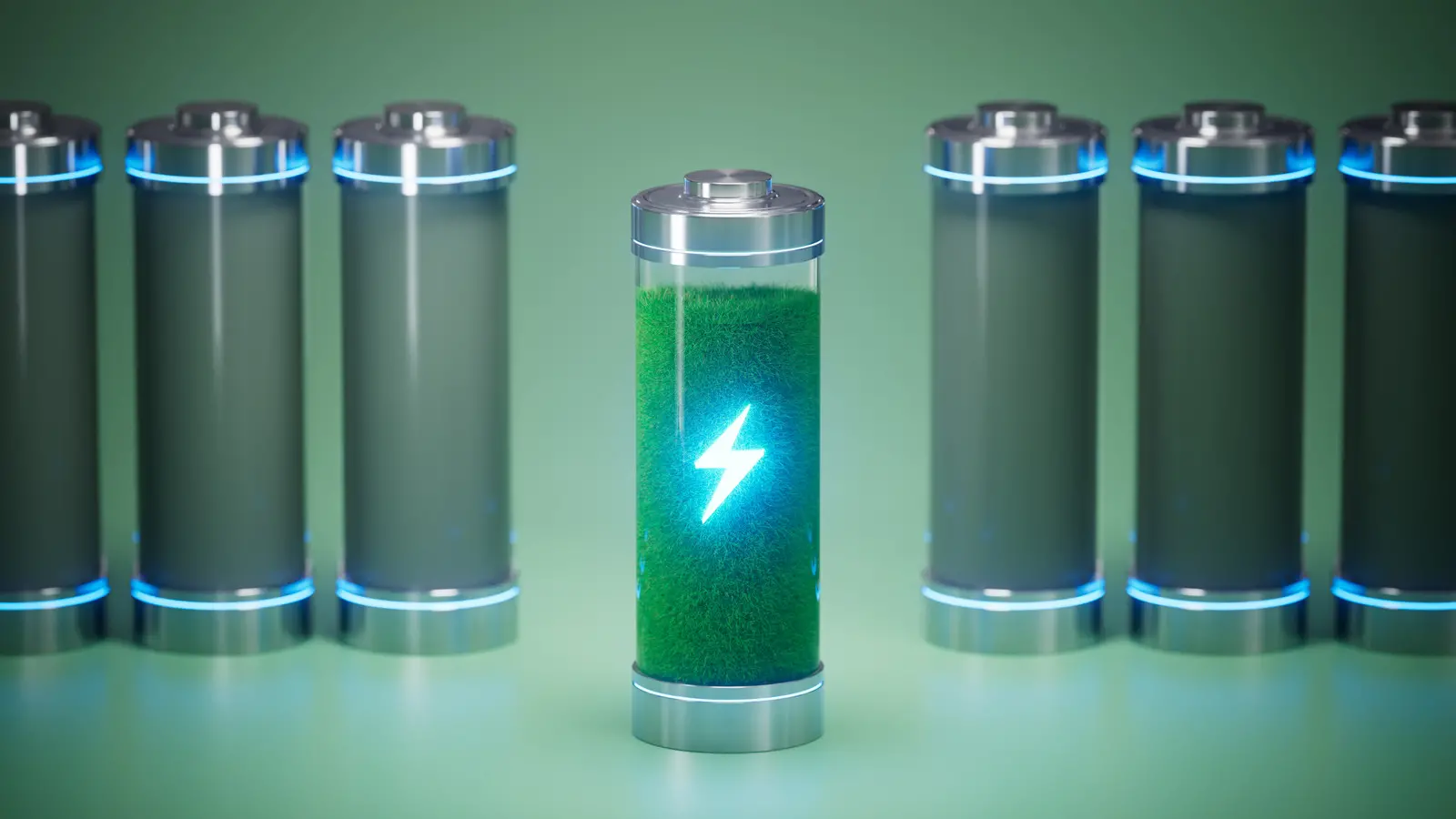
While everyone's eyes are on the AI race, another fierce competition is underway: the race for new battery technology. Lithium-ion batteries in smartphones and EVs leave much to be desired—they lose capacity, risk thermal runaway, and rely on scarce minerals. Over the past few years, scientists and companies have pioneered numerous alternatives. Here are the headline and key facts for 12 battery advancements that could define the next decade.
Solid-state batteries
- Headline: Solid-state batteries replace liquid electrolytes with solid ones, offering higher energy density, faster charging, longer life, and improved safety.
- Key facts: Still facing dendrite formation in solid electrolytes, high manufacturing costs. Chinese EV maker Changan targets Q3 2026 rollout; Factorial & Stellantis are road-testing. At CES 2026, solid-state devices were showcased. Commercial breakthrough expected soon.
Silicon-carbon
- Headline: Silicon-carbon anodes replace graphite in lithium-ion batteries, boosting capacity by up to 2x but reducing cycle life.
- Key facts: Already common in Chinese smartphones; U.S. makers (Apple, Google) hesitate due to immaturity and risk. Seen as a stepping stone to solid-state, with ongoing improvements in safety and longevity.
Beta-voltaics (nuclear batteries)
- Headline: Beta-voltaic batteries capture radioactive decay to produce electricity for decades, ideal for low-power devices.
- Key facts: Tiny size, up to 50-year lifespan, safe (used in pacemakers). Very low power output—not for phones. Recently deployed in SpaceX satellites.
AI battery management
- Headline: AI optimizes battery usage, charge cycles, and safety in smartphones and EVs.
- Key facts: Android Adaptive Battery, iPhone Adaptive Power, Tesla BMS with AI. Future potential: better state-of-charge estimation, preventing thermal runaway.
New recycling techniques
- Headline: Advanced hydrometallurgy can recover up to 93% lithium and 99% cobalt from spent batteries.
- Key facts: Critical due to lithium supply risks and environmental harm. Challenges: batteries not designed for recycling; researchers work on scalable, economic processes.
Dry electrodes
- Headline: Dry electrode manufacturing cuts cost, energy use, and environmental impact while improving energy density.
- Key facts: Used in Tesla's 4680 battery. Eliminates toxic solvents; works with graphite anodes. Promises widespread adoption for solid-state and lithium-ion.
Glass batteries
- Headline: John B. Goodenough's glass electrolyte solid-state battery promises cheap, abundant materials and high safety.
- Key facts: Criticized for seemingly violating physics; little public progress since 2020. Patents filed; collaboration with Hydro-Québec. Unproven outside lab.
Sodium-ion
- Headline: Sodium-ion batteries use abundant salt, reducing cost and supply chain risks, but have lower energy density.
- Key facts: Already on market; better low-temperature performance and safety. Energy density improving with research. Bridge technology until solid-state matures.
Lithium-sulfur
- Headline: Lithium-sulfur batteries offer up to 10x energy density vs. lithium-ion (2600 Wh/kg theoretical), using low-cost sulfur.
- Key facts: Faster charging, lighter weight; cycle life still inferior. Recent breakthroughs may enable mass production. Flexible form factors possible.
Lithium-air
- Headline: Lithium-air batteries oxidize lithium in open air, achieving energy density comparable to gasoline.
- Key facts: Room-temperature operation was a major hurdle; now seemingly solved. Could eliminate EV range anxiety. First mass deployment expected in Chinese EVs.
Iron-air
- Headline: Iron-air batteries use reversible rusting for grid-scale energy storage—cheap, long-lasting, and safe.
- Key facts: Not for consumer devices; low energy density but ideal for renewable backup. Already operational in Netherlands (2025) and being built in California.
Structural batteries
- Headline: Massless batteries double as load-bearing components, reducing overall device weight.
- Key facts: Carbon fiber composites show promise; Tesla's structural pack is an early version. Challenges: replacement, crash safety. Chalmers University leads research; drone tests underway.
Source: SlashGear News